5 Vital Strategies for SMB Retailers to Compete in a Daunting Q4

By Bryan Karas. CEO, Playbook Media
Every year, the success of a retail/eCommerce brand comes down to its Q4 performance. A bad Q4 can tank an otherwise strong year; a good Q4 can cover up a lot of previous shortcomings. And in 2022, with consumers spending less, ad platform real estate being gobbled up by all-time high spending for political ads, and investors pulling back on funds, the Q4 outlook is daunting – especially for SMBs with little cushion.
With all of that said, marketers can’t just throw up their hands and opt out of Q4. Instead, there are smart ways that SMBs need to invest their time and resources to make sure they can capture the swell of demand and hit their marks. In this post, we’ll outline five strategies SMB retailers need to implement in the coming months.
1) Lean Hard on First-Party Data
Q4 2022 is not a time to wade into a congested marketplace and pay inflated costs for brand awareness campaigns. Make sure you’re using your CRM data to focus on low-hanging fruit (add to carts, repeat purchasers, etc.) on Facebook and Instagram. Use your email lists and any communities you’ve built to push out your best offers. Use your CRM data to build lookalike audiences segmented by LTV; pass on building seed audiences for now so you can focus your spend on your highest-opportunity audiences.
2) Update Your Creative to Focus on Value
Consumers will be reluctant to spend on discretionary products in Q4, so marketers must address this by focusing on value–whether that’s reduced costs, exclusive offers, or something that speaks to long-term durability and utility of the product relative to other options.

3) Use Giveaways
Consumers love deals. They especially love getting things for free. Run the numbers and figure out what kind of freebies (Amazon gift cards, free shoelaces for your spiffy shoes) you can afford to include in your campaigns and stay within your margin goals. Remember that the value you’ll derive from new customers should go far beyond Q4. Which leads us to…
4) Lock Down Your Lifecycle Plan
Whether through SMS, email, retargeting ads, or all of the above, make sure you have a plan for re-engaging your customers after the Q4 rush subsides. Build strategies around repeat purchases, upsells, and referrals to make sure every new customer you acquire in Q4 is automatically set up for LTV optimization far beyond the first purchase.
5) Invest in Micro-Influencers
Influencer marketing, whether on TikTok, Instagram, YouTube, or beyond, is key to building trust and connection with Gen Z and Millennial audiences—and you don’t need to pay big to access huge names with broad, less relevant audiences. Instead, focus on finding a handful of micro-influencers with audiences right in your product’s wheelhouse. You’ll pay less to engage a smaller but highly relevant audience, and you can be choosier in finding influencers who align closely with your brand values.
Since consumers (even price-conscious ones) are getting an earlier jump on Q4 shopping every year, now’s the time to put these strategies into play and get your optimization cadence going. Focus on getting the most immediate bang for your buck now, and make sure you’re setting up a plan to extract even more value down the road—your 2023 self will thank you for it.
You May Also Like
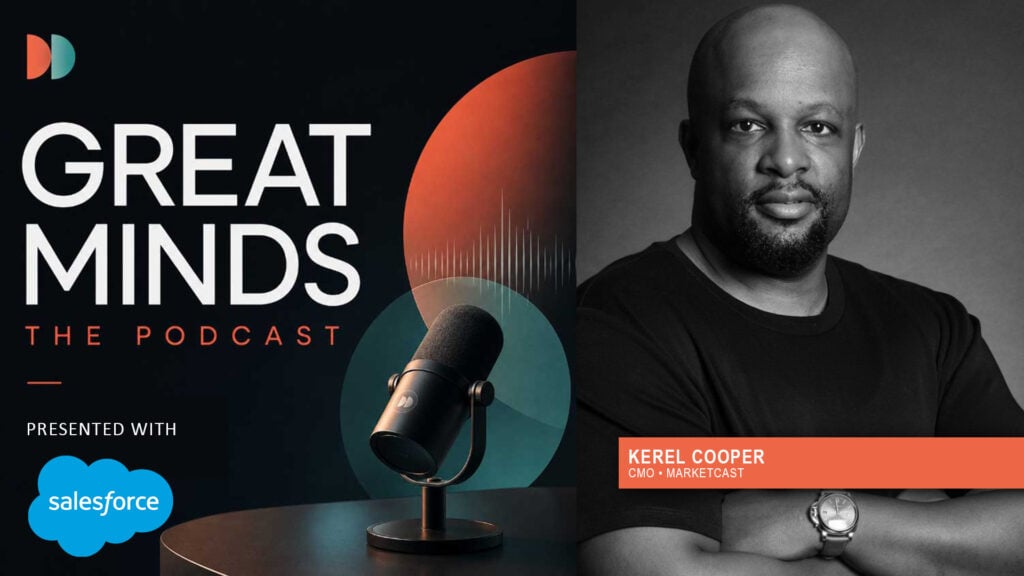
What the Dashboard Can’t Tell You About People Featuring Kerel Cooper of MarketCast
Joining us is Kerel Cooper, Chief Marketing Officer at MarketCast. Kerel shares why he believes marketers can learn from the strongest consumer brands and how human judgment should guide the use of AI in creative work.

Would You Share It If You Didn’t Work Here? Featuring Ty Stafford of Hello Party
Joining us is Ty Stafford, Founder and CEO of Hello Party, whose experience spans making YouTube videos in his dorm room and working at Red Bull Media House.

From the Conference Floor to the Boardroom: How Kindle Scribe Is Changing the Way Executives Capture Ideas
At Advertising Week New York 2026, Amazon’s Kindle Scribe offers a glimpse into how business leaders are combining the familiarity of handwritten notes with the convenience of digital technology to make the most of an increasingly demanding professional world.