AW Playmaker Agency Award: WPP Media Sports & Entertainment
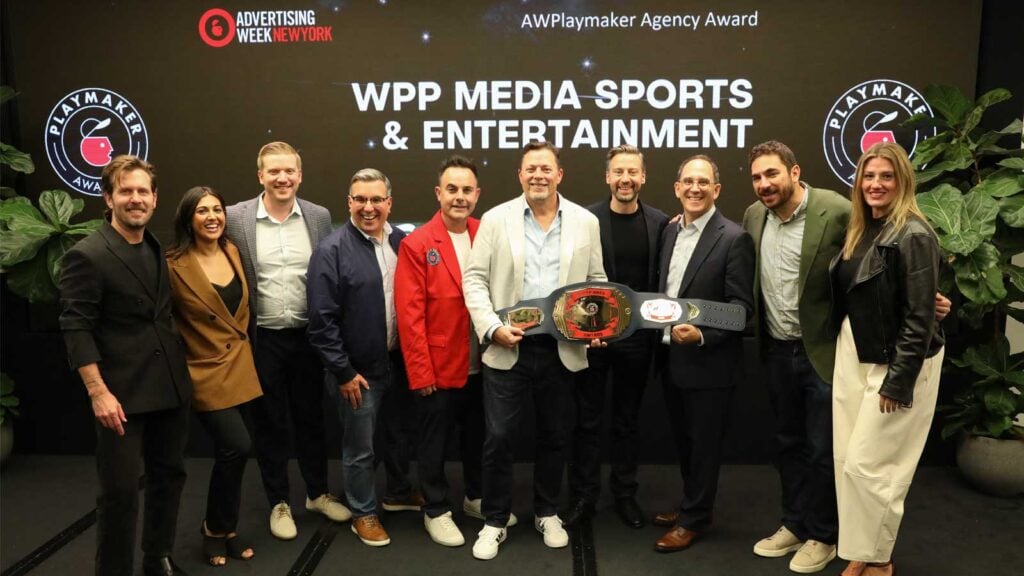
As the worlds of sports, entertainment, and creator culture become increasingly interconnected, brands face new opportunities to engage fans in ways that extend far beyond the game itself. But meaningful connections require more than visibility, demanding an understanding of the communities, personalities, and cultural influences that shape modern fandom.
As part of Advertising Week New York’s AWPlaymaker Awards series, we caught up with the Sports and Entertainment team at WPP Media to explore how creators are redefining fan engagement, why authenticity remains essential to successful brand partnerships, and how marketers can measure cultural impact beyond traditional engagement metrics. From cultivating the next generation of sports fans to building partnerships that genuinely resonate, the conversation reveals why earning a place in fan culture is becoming one of marketing’s most valuable opportunities.
Q: AWPlaymaker Awards celebrate the collision of sports, culture, and creativity. How do you see yourself playing a role in shaping that intersection today?
At WPP Media, we’ve brought our sports, entertainment, and creator teams under the same roof, drawing on each team’s distinct expertise to deliver for clients. This allows us to build strategies that tap into the cultural influence of sports and entertainment, with creators offering the creativity and access to connect brands with audiences in meaningful ways.
Q: What does authentic collaboration between a creator and a brand look like to you?
It starts with measurement and social listening to identify trusted third-party voices whose audiences, content, and life stage align with the brand. From there, the partnership should be built on a clear value exchange. The brand should enhance the creator’s storytelling, experiences, or access, while the creator brings credibility within their community, meaningful audience access, and a creative way to articulate the brand’s value.
Q: Modern fandom extends from locker rooms to living rooms — and now to social feeds and beyond. How do you build and maintain that kind of genuine community with your audience?
We recognize the role each brand and creator touchpoint plays in a fan’s journey, and that building genuine connections start with understanding what matters most to those communities. It’s about knowing when and how to engage, respecting the culture that already exists, and finding authentic ways for brands to contribute meaningfully to the conversation.
Q: We’ve seen athletes become full-blown media brands and creators become cultural voices in sports. Where do you see that evolution heading next?
Creators are going to be critical to fan development and the long-term viability of leagues. With more entertainment options than ever, leagues and sports properties need new ways to cultivate the next generation of fans. Creators can help introduce new audiences to sports, turn that initial interest into deeper engagement, and keep fans connected as their passion grows.
Q: There’s a difference between influence and impact. How do you measure success beyond views or engagement when it comes to shaping culture?
For culture specifically, we look at impact within individual communities, such as the Taylor Swift effect on the NFL. Where is the growth coming from, and are we seeing an increase in mentions and, if so, from whom? Are fans embracing sports as part of their identity beyond game day throughout the year, through how they talk about and engage with content? How do they engage with players, teams, and personalities beyond game highlights and schedules? Ultimately, we’re looking at whether that engagement translates into sustained cultural relevance and a deeper connection with the sport.
Q: When brands approach you for a collaboration, what convinces you that the partnership will feel natural to your audience?
Brands’ core values should intersect with those of the audience and be compatible with the culture of the project. The partnership should feel true to the fanbase and its identity so it resonates rather than feeling shallow or forced.
You May Also Like

Audience-First, Border-Free: pDOOH’s Next Chapter in the US
The programmatic digital out of home (pDOOH) market in the United States has moved past the adoption stage.

The Localization Trap: Why Global Brands Fail When They Treat America as One Market
The bigger mistake is assuming that America is a single, culturally uniform market. It is not.
Add to Cart, Add to Culture: The Full-Funnel Commerce Evolution
Retail media is moving beyond the moment of purchase, with brands using shopping data and creative campaigns to reach consumers before they begin searching for a product.