











-

The Fragmentation Problem Marketers Are Still Pretending They Can Buy Their Way Out Of
CMOs and CFOs should challenge media plans on more than low-cost impressions or tidy reporting. -

Predictions and Expectations for Advertising Week New York 2026
Ahead of AWNY 2026, we spoke to industry leaders about what they expect to dominate the conversation, how it would have shifted from last year, and what they will be watching closely throughout the week. -

For Advertising Week Executives, Preparation Starts With Setting Priorities
Three executives describe how they organize their thinking ahead of Advertising Week New York, with the Kindle Scribe serving as a tool for notes, planning and revisions. -

From Persuasion to Justification: Retail in a GLP-1 World
The challenge isn’t recognising that GLP-1s are changing behaviour….The real difficulty is isolating that impact from wider economic pressures. -

Unmasking Hidden Hops: What schain 1.1 Means for Media Buyers
Media buyers and hands-on DSP operators need to understand what schain 1.0 was built to do, what 1.1 adds to it, and what buyers need to do for it to work. -

What Brings a Restaurant Customer Back?
By Becky Johnson, Advertising Week Writer & Podcast Host Most of us have joined a restaurant loyalty program for a deal. We enter a phone number, collect points, and wait […] -

Planning Ahead For the Performance Plateau
The most important thing for any performance advertiser to remember is that they are not trying to replicate the past, but are instead trying to deliver the most traffic and performance right now. -

Services Firms Need a New Value Strategy for the AI Era
When you stop treating all of your firm’s work hours as products and invest some of those hours in strategy, your firm builds longer-term value. -

There’s No Such Thing as a Blank Canvas
Juman Sleiman, Strategy Director, Imagination “Many painters are afraid of the blank canvas, but the blank canvas is afraid of the truly passionate painter who dares.” – wrote Vincent Van […]
Recent Articles
-

Live Nation Backs New Creator-Economy Company Creator Nation
-

The Programmatic Stack Has Become Too Complex. AI Could Finally Simplify It
-

The Next Generation of Media Networks Starts with Infrastructure
-

There Is No Such Thing as Creative Wearout
-
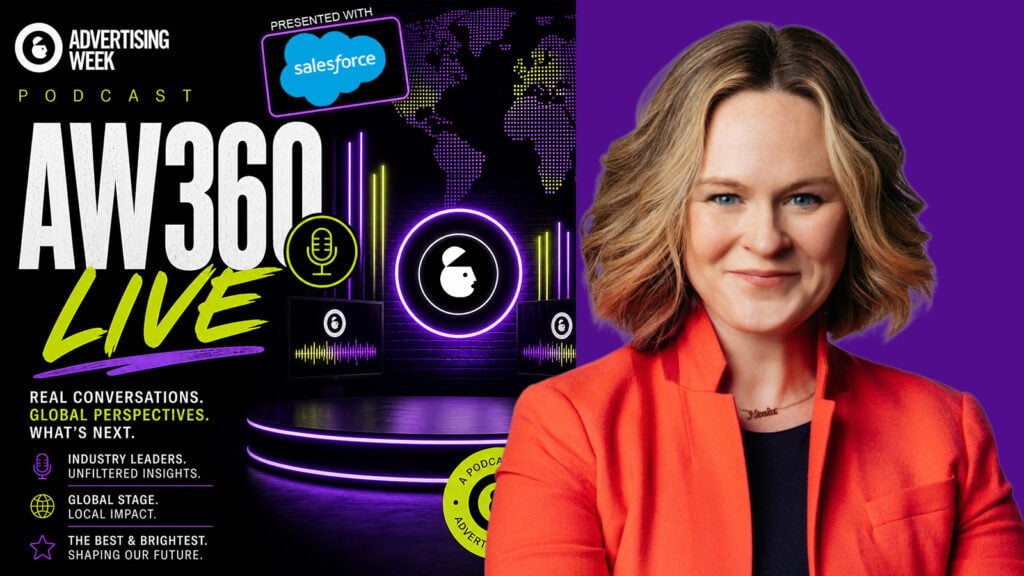
Neala Brown, Global Head of Data, Measurement & Insights at Teads
FOCUS ON ARTIFICIAL INTELLIGENCE

Is the Open Web Dying? It’s Complicated.
Don’t treat agents as a threat to traffic, but as a new audience worth serving.

When AI Writes, Who Owns the Thought?
AI can give us more information to think with. The danger comes when we use it to remove the need to do the thinking ourselves.

Everything We Tried First to Get Marketers Using AI Failed
That success dip, at the beginning, is going to happen. But make sure you are actually paving the way for future success.

AI Visibility Is Platform-Specific. Your Strategy Should Be Too.
One of the biggest strategic mistakes marketers can make is treating every AI platform as equally important. The right priority depends on the company’s audience, buying journey and industry.