If You Walk Away From the LGBTQ+ Community, You’re Handing Your Competitors the Future

By Hunter Johnson, Founder & CEO, Xpedition
I’ve been in the room when it happens.
The moment a brand starts to question its Pride campaign because someone raised the risk of backlash. Or someone else suggests staying quiet this year. It’s fear dressed up as strategy.
I’ll put it plainly: pulling back isn’t neutral or strategic. It’s surrender. And it comes with a cost to your business.
Today, over 20% of Gen Z adults identify as LGBTQ+. They’re not just shaping culture, they’re the future of the economy. If you play it “safe,” you’re walking away from reality.
And we’ve seen what happens when you do.
Target’s Retreat and Repercussions
In 2023, Target responded to pressure by scaling back its Pride displays. The result was a 5.4% drop in in-store sales and a 10.9% drop in online sales that quarter. But instead of learning from that, they doubled down in 2025, announcing the termination of their DEI programs entirely.
They didn’t look at the data. They didn’t listen to their customers. They acted out of fear. Again.
The backlash was immediate. Civil rights groups called for a boycott. Consumer trust dropped even further. And the business impact followed. Target reported a 1% revenue decline in 2024, and projected flat growth for 2025. On November 20, 2024, their stock price fell 22%, erasing $15.7 billion in market value.
This wasn’t about politics. It was about standing up for what’s right. And they failed, twice.
Costco’s Consistency and Consumer Trust
Now compare that to Costco.
In 2025, facing similar pressures, Costco’s board didn’t waver. A proposal to reconsider their DEI efforts was rejected, with 98% of shareholders voting to stay the course. That wasn’t just a business decision. It was a signal.
Costco understood who their customers are. More affluent. More educated. And according to Kantar Retail IQ, those traits are closely tied to greater support for diversity and inclusion. Costco trusted their consumers and their values. They stayed consistent, and it worked.
By maintaining a strong DEI stance, Costco further attracted many of these same consumers. During a four-week period that ended Feb. 9, Costco saw an increase of 7.7 million visits, while Target saw a decline of nearly 5 million shoppers.
The Bottom Line
This isn’t about being performative. It’s about being consistent.
If you say you stand for something, stand for it when it counts. If you show up for a community, show up when it’s hard. Otherwise, you’re not leading. You’re just reacting.
Brands that lead with clarity and courage will win the next decade. Not because it’s trendy. Because it’s true.
Gen Z is watching. So are the rest of us.
If you walk away, which competitor will replace you?
You May Also Like

Four Marketing Lessons for B2B Brands, Courtesy of Consumer Marketing
B2B marketing has built an impressive vocabulary around ideal customer profiles, product-market fit, buying committees, funnels, and account-based strategies. Those frameworks give teams useful structure. The people inside those frameworks still make the decisions.

Your Brand Knows Everything About Its Customers. But Does It Know What They Need?
Brands have invested heavily in collecting customer data and automating interactions, but knowing who someone is doesn’t necessarily mean understanding what they need.
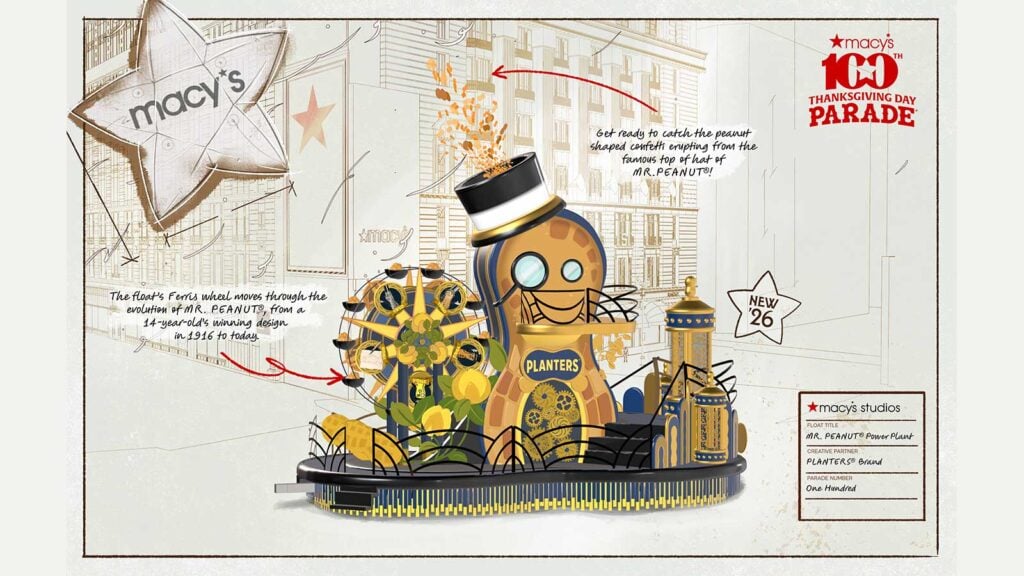
Mr. Peanut Returns To The Macy’s 100th Thanksgiving Day Parade: Get a Sneak Peek at the PLANTERS’ Float
Can’t remember the last time you saw Mr. Peanut at the Macy’s Thanksgiving Day Parade? Let’s jog your memory bank.