A Creator Brief Should Make the Next Decision Easier

By Kseniia Petrina, Co-founder, Holy Marketing
A creator campaign brief should tell a team what it needs to learn before it spends the next part of its budget. That sounds straightforward. Yet a list of videos, posting dates and preferred formats can leave the most consequential question unanswered: what decision will this work help us make?
Consider a hypothetical brand preparing to enter a new country. Its first brief asks for ten videos and a launch-week posting schedule. The team could receive every asset on time and still struggle to decide whether to repeat the campaign. It has defined production, but has not identified which customer assumption the creative should test or what evidence will inform the next investment.
The solution starts before casting. Write the business question, then give the people responsible for creative, delivery and measurement a shared way to answer it.
Start with a customer decision
“Build awareness” needs a more specific explanation. Who should recognize the product? In which country? What should they understand that they do not understand now? What can they actually do after watching?
For a new-market launch, the question might be whether a particular customer segment understands the product’s everyday use. Another team might need to learn which demonstration addresses an objection. These questions call for different creative choices and different evidence. A creator can help answer them when the brief explains the customer situation clearly.
Keep the first test narrow enough to interpret. If the team changes the audience, offer, format and destination at once, it may struggle to explain the result. Record what is being varied and what remains consistent. A small campaign still deserves a clear learning plan.
Give each asset an identifiable job
An approved video is a production outcome. A published creator post adds distribution. An asset intended for paid use introduces another set of requirements. Put these distinctions in the brief so the roster, production plan and budget describe the same work.
Give every deliverable an identifier. Record its message, intended placement, language and file requirements. If two openings will be tested, identify them separately. If a product demonstration must appear in each edit, state that before filming. Review the intended use and permissions with the appropriate people before the team commissions the work.
This level of detail should leave room for the creator’s judgment. Separate non-negotiable product facts from suggestions about expression. A useful brief explains the constraint and allows the creator to propose a credible way to work within it.
Make the customer journey part of the brief
A persuasive video cannot make an unavailable product purchasable. The campaign owner should verify the destination while the creative is being developed: language, local availability, pricing, mobile usability and the next action.
Assign unresolved dependencies to named owners. The creator should not be expected to discover a checkout limitation after publication. The media team should know when the landing page is ready. Customer support should understand the offer people will encounter.
In a regional launch, this work belongs at country level. Shared language is useful context, but it does not establish that customers can buy the same product under the same conditions. Check the actual path from a local audience’s interest to an eligible action.
Agree on evidence before results arrive
The reporting plan should separate what was delivered, whom it reached and what people subsequently did. Record the source and reporting period for each measure. If a figure combines platforms, explain what can and cannot be compared or deduplicated.
Treat attribution limits as a planning input. A click on a booking link shows intent; a confirmed appointment needs a separate confirmation source. A high view count can describe exposure without establishing sales. When the necessary client data is unavailable, make that limitation visible before the report is due.
The review meeting then has a concrete agenda. Did production meet the agreed requirements? Did the content reach the intended audience? What does the available evidence support changing, continuing or stopping? Give each decision an owner and a date.
The next brief should carry those decisions forward. Keep the useful constraints, remove requirements that did not help and state the next question. That creates a practical connection between creative work and how the brand allocates its budget.
About the author
Kseniia Petrina is co-founder of Holy Marketing, which works with brands on influencer campaigns, Creator Factory programs and market-entry marketing. https://holymarketing.agency/about
You May Also Like

The Sameness Trap — Why the Brands Breaking Their Category’s Unwritten Rules Will Outshine the Rest This Season
Seasonal advertising tends to converge on the same safe, predictable formula within each category, so brands that follow it blend into the noise they’re paying to cut through.
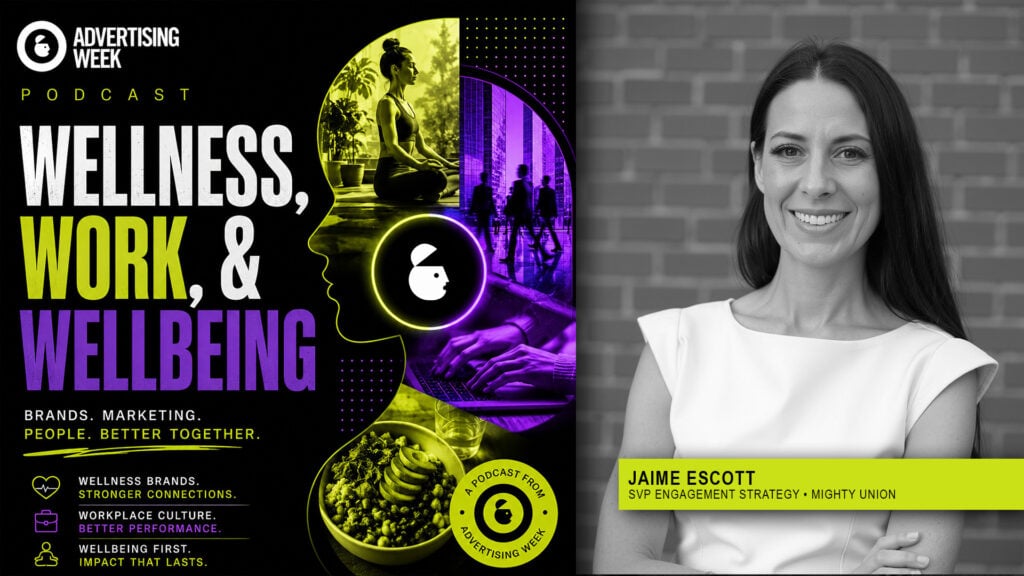
Healthcare Websites Need to Start Thinking Like Their Patients, Featuring Jaime Lyons of Mighty Union
In this episode of Wellness, Work & Wellbeing, we’re joined by Jaime Lyons, SVP of Engagement Strategy at Mighty Union, to discuss why hospital websites need to evolve beyond traditional marketing platforms.

Why Travel Data Matters to Brands That Don’t Sell Travel
A platform’s content tells you why people are there. It doesn’t tell you everything about who they are.