The Sameness Trap — Why the Brands Breaking Their Category’s Unwritten Rules Will Outshine the Rest This Season

Scroll your category’s feed this week and you’ll see the same ad running on repeat, wearing a different logo each time. Ralph Lauren leaned into its Colorado ranch. Burberry doubled down on classic British heritage. Fashion’s holiday script has converged on the same nostalgic, old-timey mood. It’s not just fashion, either. GM’s fifth holiday spot in a row is sticking close to the same emotional formula that’s worked before. Different categories, same instinct: Find the safe mood and repeat it.
That’s the trap of a predictable season. The playbook isn’t secret. It’s not written down anywhere. But everyone in your category can recite it by heart — this tone, this format, this feeling, this week. Follow it and you blend straight into the noise you’re paying to cut through.
The brands that stand out this quarter will read the playbook closely, then do the one thing in it their competitors silently agreed never to touch.
Find the rule nobody wrote down
Every category has one. Not a law. A shared instinct so deeply held that nobody questions it anymore.
In nonprofit holiday advertising, the unwritten rule is to stay quiet and somber. Pull heartstrings, don’t make noise. Meals on Wheels broke it in 2025 by turning “Silent Night” into a full rallying cry for seniors, loud and unapologetic where the category usually whispers. Every other charity spot that season still played it gentle.
Food delivery’s unwritten rule is just as rigid: Ride the Super Bowl’s coattails with a clever 30-second spot and move on. Gopuff skipped the spot entirely and instead called for the Monday after the Super Bowl to be recognized as a national holiday, inventing its own occasion rather than competing for a sliver of someone else’s.
Package shipping has its own version of the rule, which is sentiment, played straight: a truck pulling into the driveway at just the right moment, swelling music, a reunion. UPS Store skipped that formula last season with a CAPTCHA-themed spot asking viewers to “verify you are human,” a funny, surreal detour that still made an emotional point about human connection, just without the usual trope. It stood out specifically because everyone around it was playing it safer than ever.
These three brands didn’t out-execute their competitors on the shared script. Instead, they found the one assumption everyone else was protecting and spent their budget breaking it.
Pressure-test before you break it
I’ve watched brands fall into this trap for years. They mistake breaking a rule for the strategy, when it’s only ever the tactic. Before you touch your category’s unwritten rule, ask one question: Does breaking this serve the customer, or does it just get you noticed?
Meals on Wheels’ rallying cry still made the ask explicit: donate to feed seniors. Gopuff’s fake holiday still pointed people back to ordering through the app. UPS Store’s CAPTCHA joke still sold the convenience of a package drop-off. The rule-break earns attention, but it only works because something real sits underneath it.
If your break-the-mold idea doesn’t connect back to something your customer actually wants, it’s a stunt — and audiences can tell the difference from a real strategy faster than your internal team can.
You don’t need a Super Bowl-sized budget to do this. A regional retailer or a five-person agency can find and break one category assumption just as easily as a national brand can. The budget changes the production value, not the insight.
Break one rule, not ten
Gopuff delivers through the same app, the same way, the same night. UPS Store’s trucks run the same routes they always have. One break stood out because everything else around it remained familiar.
Pick the one assumption your category treats as fixed this season. Write it down in a single sentence — the sentence your competitors would never say out loud, because saying it would mean admitting they’re all doing the same thing on purpose. That sentence is where your season starts.
Everyone in your category already knows the playbook. Running it harder just adds to the noise everyone’s already making. Reading it closely enough to find the one page worth tearing out is what makes you shine.
About the Author:
Duncan Wardle, formerly vice president of innovation and creativity at The Walt Disney Company and now a keynote speaker and creative consultant, launched iD8 Studios to help companies embed a culture of innovation and creativity across their entire organization. Duncan spent his 25-year career at Disney developing some of its most innovative ideas and strategies — ideas that would forever change the way the company expands its impact, trains its employees, and solves problems creatively. His book, The Imagination Emporium, offers a practical toolkit to make innovation accessible, creativity tangible, and the process fun — complete with inspiring stories, engaging playlists, animated videos, and more.
You May Also Like

A Creator Brief Should Make the Next Decision Easier
A creator campaign brief should tell a team what it needs to learn before it spends the next part of its budget. That sounds straightforward. Yet a list of videos, posting dates and preferred formats can leave the most consequential question unanswered: what decision will this work help us make?
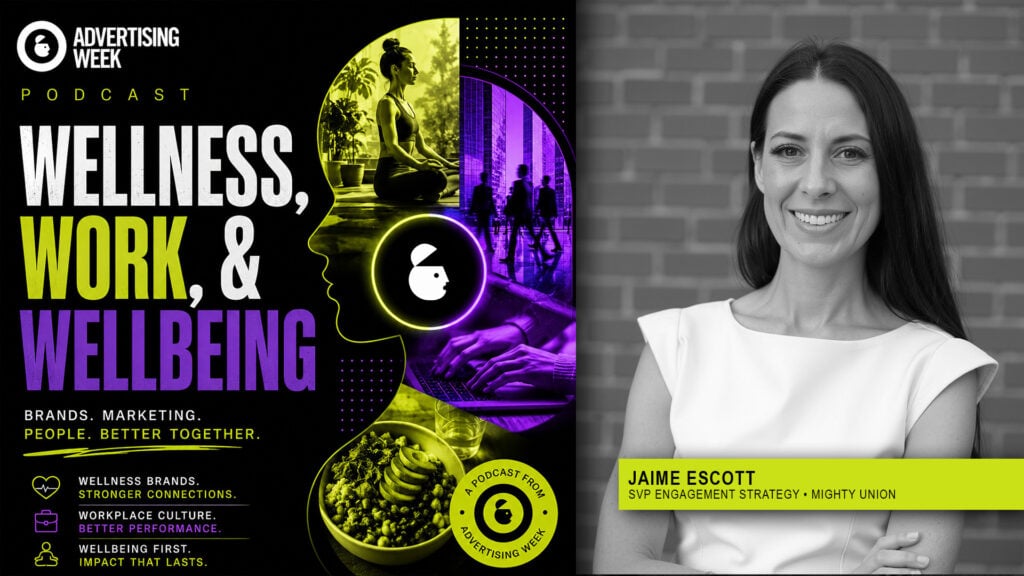
Healthcare Websites Need to Start Thinking Like Their Patients, Featuring Jaime Lyons of Mighty Union
In this episode of Wellness, Work & Wellbeing, we’re joined by Jaime Lyons, SVP of Engagement Strategy at Mighty Union, to discuss why hospital websites need to evolve beyond traditional marketing platforms.

Why Travel Data Matters to Brands That Don’t Sell Travel
A platform’s content tells you why people are there. It doesn’t tell you everything about who they are.