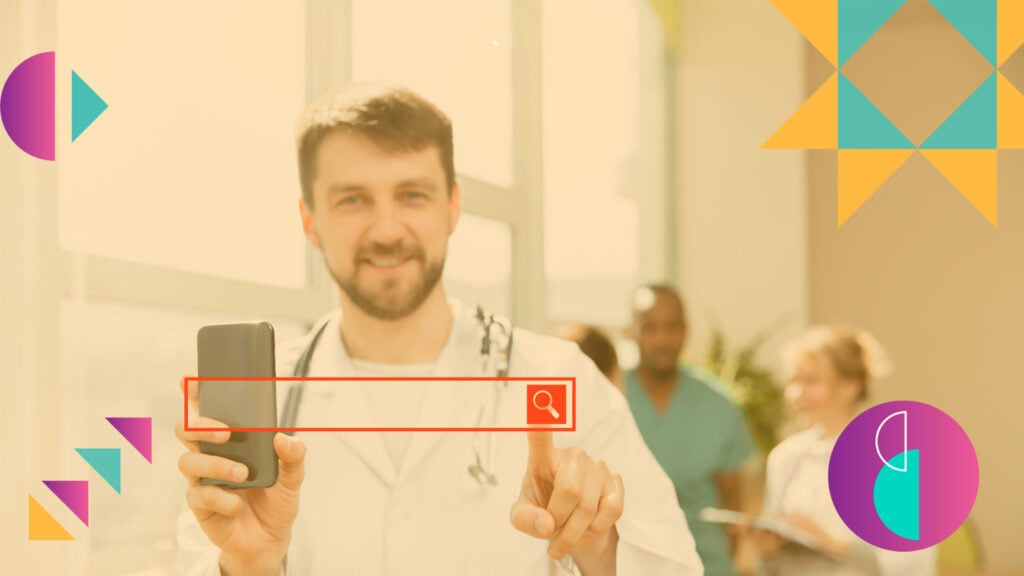
Healthcare consumers have become accustomed to digital experiences that anticipate their needs, offer personalized recommendations, and keep them informed every step of the way. Yet when it comes to something as important as their health, they’re often left navigating complicated hospital websites, deciphering medical terminology, and figuring out which doctor to see on their own. The disconnect between what consumers experience everywhere else online and what they encounter in healthcare is becoming harder to ignore. For hospitals, improving the digital patient experience isn’t simply about building a better website. It’s about making healthcare easier to access, understand, and manage.
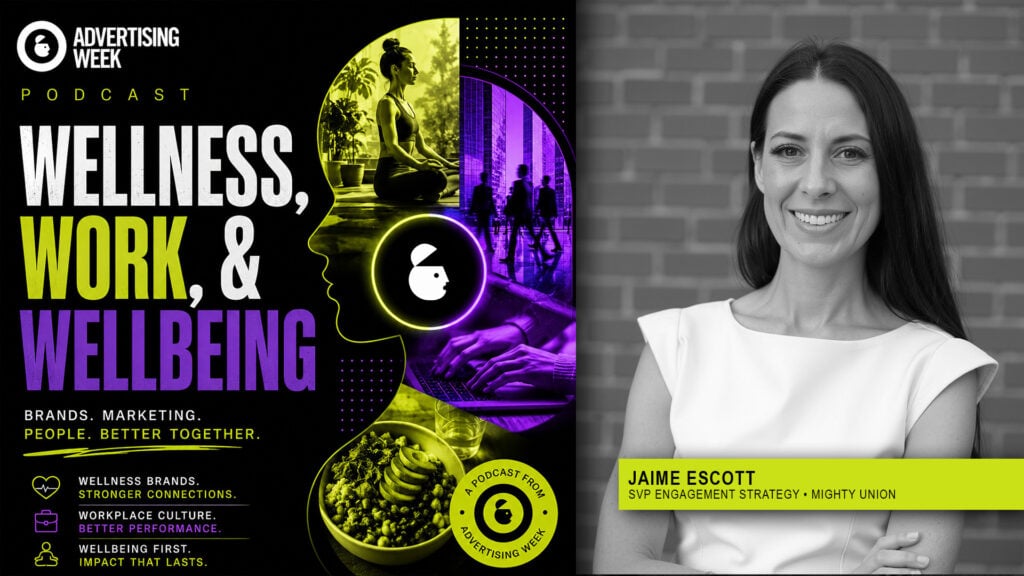
In this episode of Wellness, Work & Wellbeing, we’re joined by Jaime Lyons, SVP of Engagement Strategy at Mighty Union, to discuss why hospital websites need to evolve beyond traditional marketing platforms. We talk about the growing expectations patients bring from brands like Amazon and Netflix, why finding the right doctor should work more like a dating app, and how AI could bring medical records, scheduling, and patient information together into a more personalized experience. Jaime also shares why healthcare organizations need to rethink how they communicate with patients, particularly during the moments when information matters most.
Five Key Takeaways
1. Patients are comparing hospital websites to Amazon, not other hospitals.
Jaime calls it “Amazon expectations.” Consumers are accustomed to personalized recommendations, intuitive navigation, and real-time updates from the companies they interact with every day. Those expectations don’t disappear when someone visits a hospital website. Unfortunately, many healthcare organizations are still presenting information based on their internal structures rather than what patients actually need. When someone is looking for care, they shouldn’t have to understand how a hospital operates just to find the right information.
2. Finding a doctor should be more like using a dating app.
Choosing a physician is personal, yet many hospital websites offer little more than a directory of names and specialties. Jaime compares the process to dating apps, where information about both people is used to identify compatible matches. Healthcare organizations could take a similar approach by combining structured information about physicians with patients’ needs and preferences. Whether someone is looking for a particular specialty, a physician with a specific approach to care, or someone who accepts their insurance, the technology should help narrow the options rather than leave patients to sort through dozens of results.
3. Healthcare websites need to do the work for patients.
Jaime describes traditional hospital websites as “figure us out” experiences, where patients are expected to navigate organizational structures, unfamiliar terminology, and lengthy explanations written for clinicians rather than consumers. Replacing terms like “otolaryngology” with “ear, nose, and throat” is a simple example of making information more accessible. But the larger opportunity is understanding that a parent managing a chronically ill child’s care has very different needs from someone researching an elective procedure. The experience should reflect those differences and help each patient understand what to do next.
4. Patients deserve the same transparency they get when tracking a package.
One of the most striking examples Jaime shared was the contrast between ordering a kitchen table and waiting for medical test results. Her Wayfair delivery came with updates at nearly every step, while a previous breast cancer scare left her waiting approximately two weeks after a biopsy without knowing when results would arrive or what would happen next. Healthcare organizations already hold enormous amounts of patient information, yet patients are often left in the dark during some of the most stressful moments of their lives. Better communication and status updates could make a meaningful difference without changing the medical care itself.
5. The future hospital website may not be a website at all.
Jaime envisions healthcare digital tools that bring medical records, physician information, insurance coverage, and scheduling into one secure, personalized experience. With AI capable of completing tasks rather than simply answering questions, patients could describe what they need, receive appropriate recommendations, and book appointments without navigating multiple systems. Getting there will require hospitals to make better use of their existing data, identify where patients struggle, and prioritize improvements that make accessing care easier. The goal isn’t more technology for its own sake. It’s removing unnecessary work from the patient’s side of the experience.
Listen & Subscribe