Your Brand Knows Everything About Its Customers. But Does It Know What They Need?

By Mack McKelvey, Founder and CEO, SalientMG
During a snowstorm earlier this year, Janelle James called her local pharmacy to find out if it was open.
The automated system recognized her phone number. It knew her address. It had a slew of information about her. But all she wanted to know was whether the pharmacy was open. After navigating a frustrating series of automated prompts, she finally got an answer: Yes.
So she walked through the snow to the store, only to find it closed.
It’s a pretty good illustration of where personalization can go wrong. Brands have invested heavily in collecting customer data and automating interactions, but knowing who someone is doesn’t necessarily mean understanding what they need.
James, Head of U.S. Cultural & ESG Intelligence at Ipsos, shared the experience during SalientMG’s Breakthrough Summit at Advertising Week New York, where she joined Kelley Walton, CMO of SNIPES USA, and David Fossas, who leads go-to-market and growth at Wonder Project, to discuss how brands can build stronger consumer connections.
Customer Data Only Tells Part of the Story
Marketers can track what people buy, what content they engage with, and how they respond to campaigns. But that information often tells brands what people do without explaining why.
James cautioned against reducing consumers to demographic labels. Someone might be a parent, a Gen Zer, or a sneaker enthusiast—or all three. Their needs and priorities change with their circumstances, and a customer profile can’t always capture that.
Consider back-to-school shopping.
At sneaker and streetwear retailer SNIPES, the kids want the latest sneakers. Their parents are the ones paying for them. And with families feeling the pressure of rising costs, affordability matters just as much as style. So SNIPES built its back-to-school campaign around those different priorities, bringing together DJ Khaled, streamer Reggie, and musician JT to reach different audiences. Rather than handing them a script, the brand invited them to help shape the creative.
The campaign also went beyond advertising. SNIPES distributed more than 8,000 backpacks filled with school supplies and hosted community events offering haircuts, nail appointments, and other services to help students prepare for the school year.
None of those needs would necessarily show up in someone’s sneaker purchase history. But Snipes’ deep knowledge of their consumers means they’ve stepped in to help close the gap created by the affordability crisis, in a pivotal moment for families.
Give People a Reason to Care
For years, marketers could rely on bigger budgets and more media to get their messages in front of consumers. That’s a tougher proposition when people can scroll past, skip, or ignore almost anything.
Attention has to be earned. And a good place to start is with something people already care about.
At entertainment company Wonder Project, that meant identifying an audience hungry for hopeful, optimistic stories. Its series House of David offered a premium production of a biblical story, appealing to faith-oriented viewers who wanted that kind of entertainment.
Rather than treating those viewers as a demographic to advertise to, Wonder Project worked to make them part of the show’s success. Its grassroots marketing encouraged communities to rally around the series, share it, and feel a sense of ownership.
The approach changes with the story. For Sarah’s Oil, a film about a young Black entrepreneur in the early 1900s, Wonder Project worked with Russell Wilson and Ciara to help bring attention to a lesser-known piece of Black American history.
The common thread isn’t a particular audience or marketing channel. It’s finding people who have a genuine connection to the story and giving them a reason to get involved.
SNIPES takes a similar approach with its creative partners. By inviting talent to shape the campaign, the retailer gets something more authentic than a celebrity delivering a prepared message. Those partners also have a reason to share the work with their own communities.
It’s a different relationship from simply buying someone’s reach.
The Experience Has to Deliver
Of course, getting someone’s attention is only the beginning.
A clever campaign might bring a customer into a store. What happens when they get there? Can they find what they need? Is returning something easy? Does the brand deliver on what it promised?
Those everyday experiences do a lot of the work of building trust.
SNIPES recently launched its first loyalty program, with benefits tailored to different customer needs. Sneaker enthusiasts get early access to new releases. Parents looking to stretch their budgets can save money toward future purchases. And the program has already exceeded enrollment goals, with repeat purchases and order values outperforming expectations.
There’s a practical lesson here about personalization. Customers may be willing to share information when they get something worthwhile in return. But the more brands automate their interactions, the more important it becomes to get those interactions right.
David Fossas made that distinction during the discussion: personalization should feel like part of a relationship, not an uncomfortable reminder of how much a company knows about you.
The pharmacy in James’s story knew plenty about her, but couldn’t answer a simple question correctly. All that customer data meant very little when it couldn’t deliver on a basic customer need.
What If Brands Advocated for Their Customers?
Brands spend considerable time and money trying to create brand advocates. They want people to recommend their products, share their content, and tell others why they’re worth buying.
But James suggests we flip the script. What if brands put just as much effort into advocating for their customers?
It’s worth considering, especially as AI gives marketers more ways to collect data, personalize communications, and automate the customer experience.
For SNIPES, that might mean helping a family get ready for the school year, whether or not they buy a new pair of sneakers. For Wonder Project, it means giving underserved audiences stories they want to see and a role in bringing those stories to more people.
Neither requires knowing everything about the customer. They require understanding what matters to them.
You May Also Like
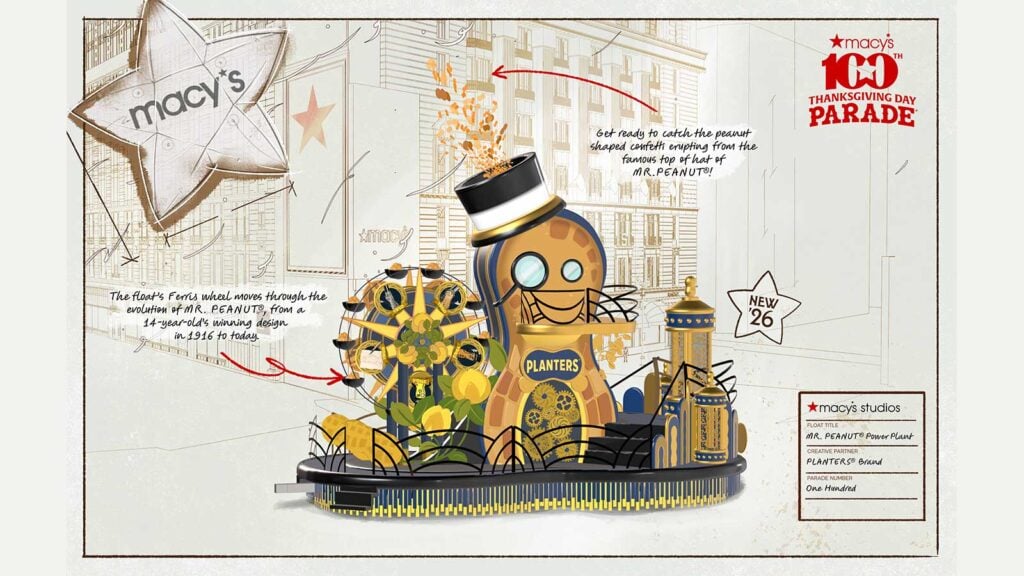
Mr. Peanut Returns To The Macy’s 100th Thanksgiving Day Parade: Get a Sneak Peek at the PLANTERS’ Float
Can’t remember the last time you saw Mr. Peanut at the Macy’s Thanksgiving Day Parade? Let’s jog your memory bank.
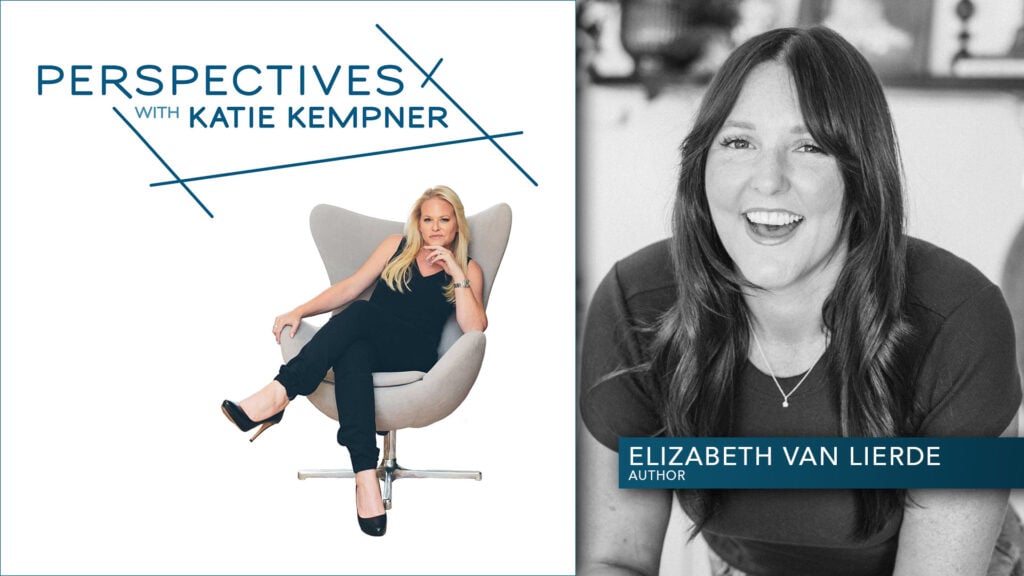
Elizabeth Van Lierde, Author
Join Katie as she talks with Elizabeth Van Lierde, bestselling cookbook author of Everyday Entertaining and Happy Hour at Home, about turning her passion for food and entertaining into a thriving career.

A Creator Brief Should Make the Next Decision Easier
A creator campaign brief should tell a team what it needs to learn before it spends the next part of its budget. That sounds straightforward. Yet a list of videos, posting dates and preferred formats can leave the most consequential question unanswered: what decision will this work help us make?