




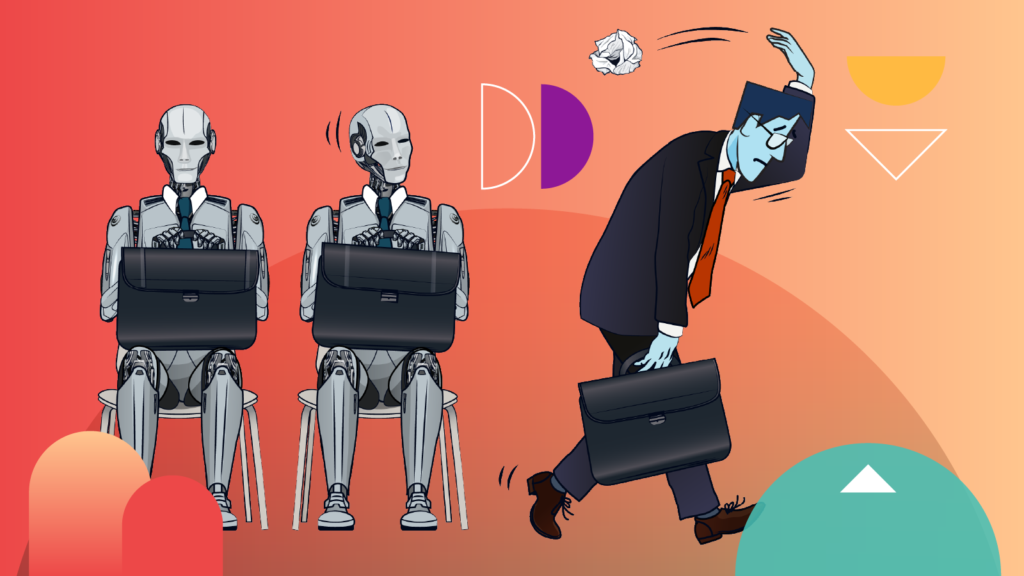
AI or Accountability? The Real Story Behind 2025’s Layoffs Is Bigger Than a Buzzword
By Bradley Keefer, CRO, Keen Decision Systems
Since January, the headlines have been relentless: thousands laid off across CPG giants and advertising agencies. P&G is cutting 7,000 roles. Estée Lauder is trimming up to 11 percent of its workforce. GroupM is restructuring nearly half of its U.S. headcount. Omnicom is paring down ahead of a proposed merger with IPG. The reasons vary, but one term keeps surfacing: AI.
However, it’s worth questioning whether AI is even ready enough to be the reason?
It is true that automation, generative tools, and predictive systems are beginning to reshape industries, advertising included. AI is starting to handle data collection, optimize audience targeting, and even generate copy, images, and video. In theory, a modern, AI-native marketing tech stack could consolidate execution, measurement, and optimization into a single intelligent system.
And yes, disruption is coming. My view is that AI will not just disrupt this industry. It will completely redefine it.
We are heading toward a future where a headless martech ecosystem, built on four to six interconnected platforms and orchestrated by AI agents, could run multi-billion-dollar campaigns with just two or three operators. That is not science fiction. It is a collision of systems design and machine capability. Imagine 300 people across a handful of agile tech companies powering an entire sector. That is where this is going.
But let’s be clear. We are not there yet. The technology is still early. The integrations are fragile. Most organizations do not have the infrastructure, the talent, or the governance in place to make AI scale in a meaningful way. So, when companies cite AI as the reason for sweeping layoffs in 2025, we should question whether they are pointing to a future reality to justify present inefficiency.
Because the truth is, many of these organizations are bloated, slow to move, and structured for a version of marketing that no longer exists. These restructurings might be necessary, but blaming AI is premature. It is not the villain here. It is the mirror.
And if you think the current layoffs are extreme, just wait. Over the next one to two years, we will see what true workforce disruption looks like. Once AI becomes truly interoperable, self-regulating, and scalable, the transformation will be far more sweeping than what we are seeing now.
This is not just about technology. It is about readiness. And right now, too many companies are unprepared for the disruption that is coming or for the accountability it demands.
You May Also Like
Rose Baki, Senior Partner and Head of Strategy at Lippincott
Rose Baki of Lippincott, joins us ahead of AWNY to talk about the organizational barriers slowing marketing down and why creativity should be treated as a business advantage.

The Fragmentation Problem Marketers Are Still Pretending They Can Buy Their Way Out Of
CMOs and CFOs should challenge media plans on more than low-cost impressions or tidy reporting.
Predictions and Expectations for Advertising Week New York 2026
Ahead of AWNY 2026, we spoke to industry leaders about what they expect to dominate the conversation, how it would have shifted from last year, and what they will be watching closely throughout the week.