For rights holders seeking to future-proof their sponsorship strategy, the AI Experience Room may represent the next generation of monetizable sponsorship assets.

Presented by

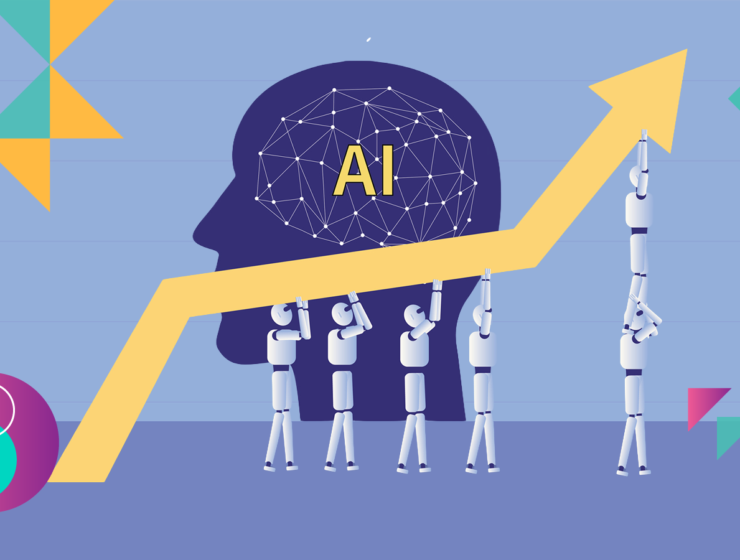
Explore the power of Artificial Intelligence in marketing, where advanced algorithms and data-driven insights are transforming how businesses engage with their audience. Discover how AI can elevate your strategy and drive growth in today’s digital landscape.
For rights holders seeking to future-proof their sponsorship strategy, the AI Experience Room may represent the next generation of monetizable sponsorship assets.
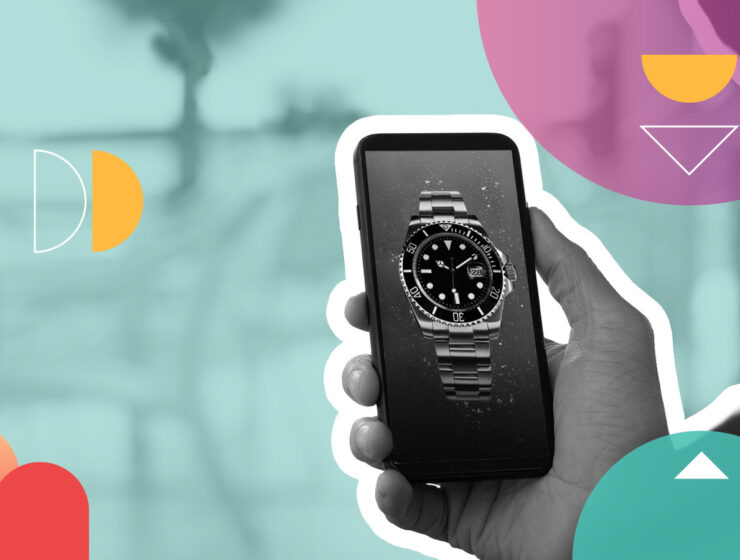
In an industry where loyalty often depends on understanding as much as visibility, giving consumers a space to ask questions, explore ideas, and discover products in their own way may prove to be one of the most meaningful innovations of all.

Luxury will always be defined by craftsmanship and creativity. But in the modern era, digital experience is becoming just as important as physical expression.
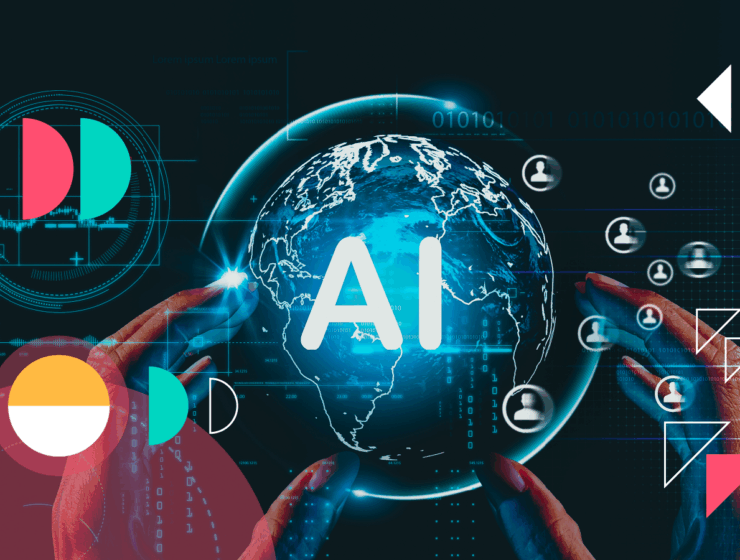
Artificial Intelligence is no longer the future of marketing—it’s the now. From boosting productivity and precision to enabling smarter, more human-centered experiences, AI is revolutionizing how brands operate.
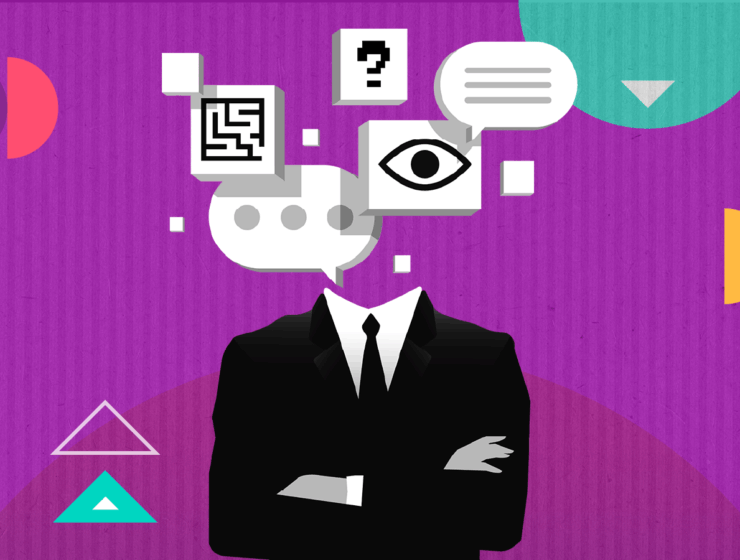
From privacy and data ethics to job disruption and creative dilution, AI in marketing is not without its complications. Here’s a closer look at the challenges marketers, businesses, and society at large must grapple with as this technology evolves.

The future of marketing is here—and it’s accessible, practical, and built for businesses like yours.
AI as a tool versus agentic AI, looking at it like a Pixar movie, and embracing the culture shift that comes with it all.
Oz explains why AI is exposing the cracks in marketing instead of fixing them.
Chan shares new research on consumer trust and explains why the brands that put people first will have the advantage.

It is not enough to add AI to existing workflows and expect better outcomes.
AI as a tool versus agentic AI, looking at it like a Pixar movie, and embracing the culture shift that comes with it all.

The marketer’s job is to understand which signals still represent human intent, which signals reflect machine activity and which signals reveal how the brand is being interpreted in the market.


The “Deepfakes, TikTok and Political Ads: Media Influence on the Upcoming Election” session, hosted by Advertising Week in partnership with Cint, dove into the powerful role media plays in shaping voter behavior ahead of critical elections.

Learn about the latest AI tools for marketers and how brands are investing in AI to increase campaign effectiveness, reimagine resource constraints and garner real marketing results.

In the AI era, visibility is no longer just about ranking in search. It is about whether your brand is credible enough to be surfaced in the answer.

AI innovation doesn’t have to be a zero-sum game where capability comes at the expense of cost control.

Performance marketing will not be defined by fewer signals, but by smarter interpretation of influence, including the moments we cannot yet directly see.
Oz explains why AI is exposing the cracks in marketing instead of fixing them.
The future of media activation is undeniably moving toward greater automation and agent-led execution.
Chan shares new research on consumer trust and explains why the brands that put people first will have the advantage.

I’m already seeing some of the least engaging advertising of my life out in the world because someone who doesn’t know better—or in some cases, should know better– thinks it looks “good enough”.

By Hugo Welkers, CEO, Refinery89 The classic list of blue links is an afterthought in…

By Dharmesh Patel, Global Curation Strategy Lead at OnAudience As agentic AI systems take on…
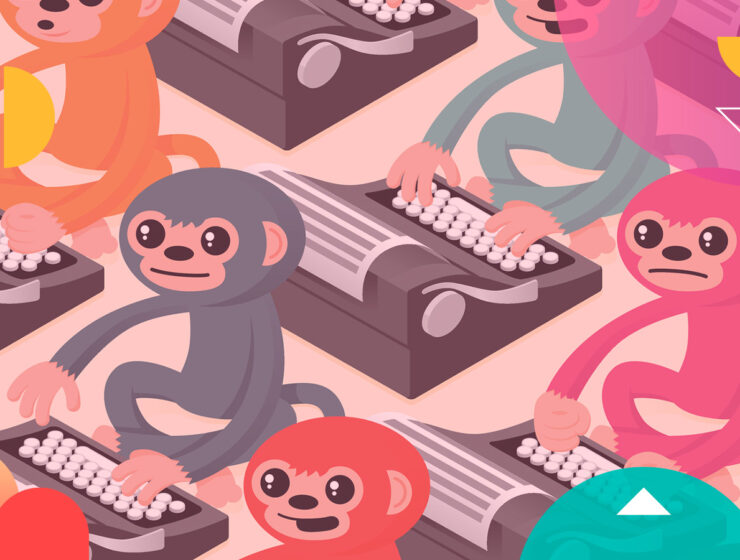
The most interesting creative businesses right now aren’t the giant monoliths.

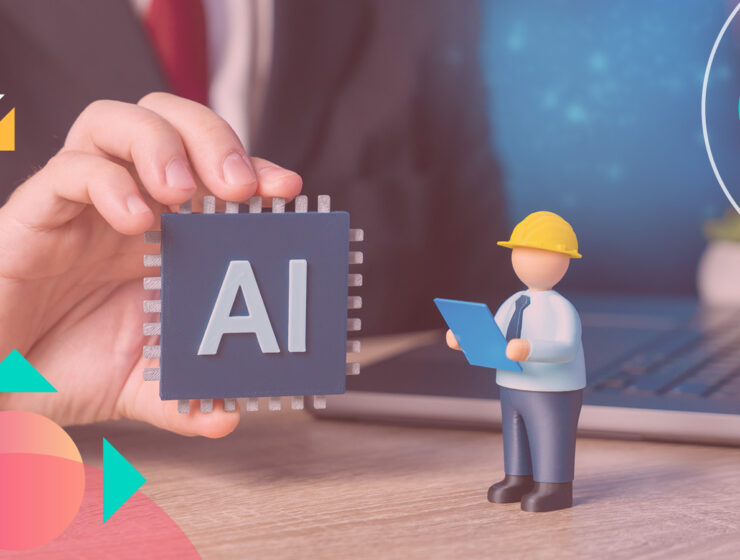
Technology alone does not create value. Only a solid data foundation can turn AI from a costly experiment into a genuine growth engine.

The next decade of AI is being built right now, in decisions happening this quarter inside companies whose leaders are reading this piece.

By Julian Diep, Paid Acquisition Consultant, Blue Grid Media Only 11% of cited domains overlap…

This is the part to keep saying out loud to your teams, your CFO, and your board: the foundation we’ve all been operating in is different now, and more changes are coming.

The future of marketing is unlikely to belong to either humans or machines alone. Instead, it will belong to organizations that understand how to combine the strengths of both.
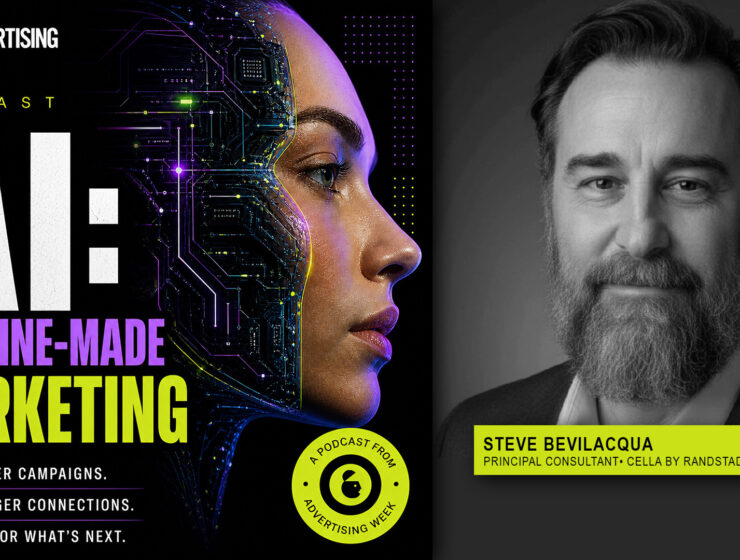
On this episode, I sit down with Steve Bevilacqua, Principal Consultant at Cella by Randstad Digital, for a candid conversation about what AI is actually doing inside marketing organizations today.

The AI referral moment will not be won in the answer box alone.

If the existing model continues to deteriorate, the answer cannot be to simply hope that the market corrects itself.


What Google quietly taught marketers about quality control, and the lesson goes well beyond local search.

The marketers who win the zero-click era won’t be the ones with the best schema markup.

Google may lose its crown, and search and marketing, plus story-telling, may become easier and less costly for the small and the bif enterprises.

Daily use of custom-built, AI-enhanced workflows and processes will be standard practice across our global workforce by year-end, and EMEA is tracking nicely against the ambition.

The real question is not whether AI will make advertising more efficient. It almost certainly will. The real question is whether the industry can prevent “better performance” from becoming a euphemism for worse markets, weaker trust, and bigger external costs.
At the end of the day, AI stands for different things to different people and, in my experience, it is artificial and its “intelligence” is debatable.

Search marketers must also become experts in the evolving effect of AI on search.
Much of the fragmentation that defines digital advertising today exists because humans are stitching together dozens of tools, intermediaries and data layers.