Swipe Right or Left? Gen Z’s Love-Hate Affair with Dating Apps – and How Other Brands Can Benefit

By Marieke Dekker, Head of Strategy at SuperHeroes
Many Gen Zs struggle to find real connections. Dating apps can be a great place to start, and there are lots of success stories out there. But online dating can also be overwhelming and feel empty.
To explore this further, we’ve asked Gen Zs from Europe and the US how they feel about dating apps. Their answers reflect the love/hate relationship this generation has with the apps.

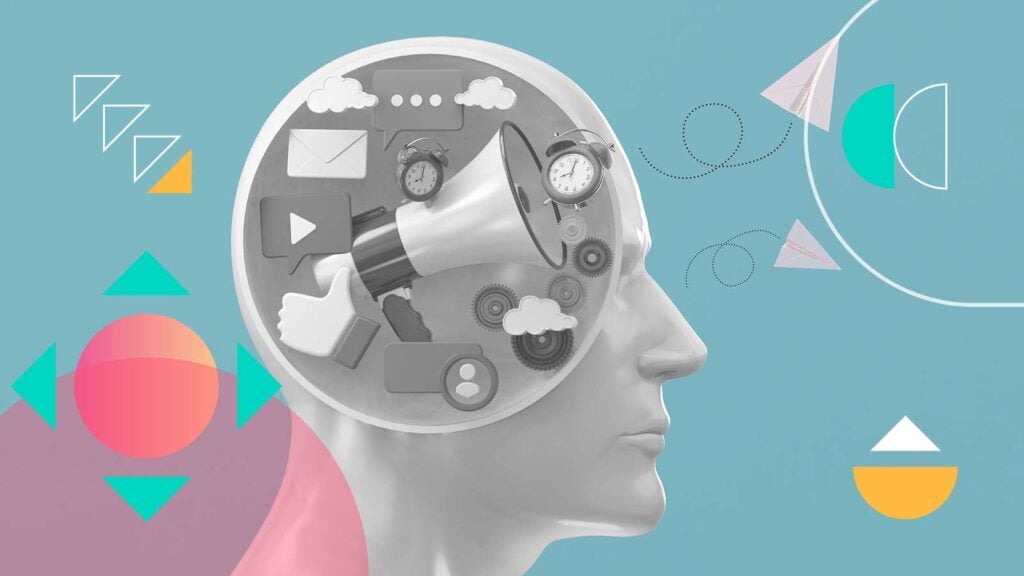
Visual by Doris Liu, SuperHeroes
For brands outside the category, this conflicted relationship offers a chance to play a role in Gen Z’s life. Our survey showed that Gen Z may be quite open to this. Only 1 in 10 of our respondents felt non-dating brands should avoid their dating lives. So: how can these brands support?
Nailing the first impression
First impressions are crucial in online dating. The profile pictures, prompts, and the first message: it all has to be just right, to not miss out on the love of their life. Creating a dating profile and sending that first message can be tough if you aren’t a photogenic wordsmith with great taste. In other words: this is a great opportunity for brands to tap into.
Wouldn’t it be amazing if Polaroid could create a tool to help users select the perfect mix of photos. Surreal Cereal could host livestreams, where their copywriters create fun custom prompts for anyone sharing their dating profile. When profiles are matched, Samsung could offer AI-generated opening sentences based on profile insights. And Swatch could develop a tool that uses contextual data to alert users when it’s the right time to respond to a message.
Taking pressure off the first date
According to the Gen Zs from our survey, it doesn’t get easier once both parties agree to have a first date. What to wear? Where to meet? What to say? What not to say? When to leave? To split or not to split the bill?
Again, some great opportunities for brands to jump on. As the first date gets closer, Zara can offer style tips. Sephora can provide a makeup service for the occasion. Google could create an idea generator that suggests local events and places that are perfect for first dates.
Then when it’s date time, Magnum could provide icebreakers to get the conversation going. For first dates in summer, DoorDash could deliver park date packages. PayPal could create a first date randomiser that decides who picks up the bill. Uber could add a first date mode to their app that offers round-trip discounts and safety features like sharing ride details. And for those whose first date didn’t go well, McDonald’s could offer disappointing date deals.
Creating opportunities to date in the wild
There’s also an opportunity for these brands to be matchmakers. Most of our respondents prefer meeting new dates in person instead of through an app. However, they find ‘dating in the wild’ challenging.
Brands could jump in and provide occasions to meet like-minded singles. Target could tap into the supermarket dating trend. Nike could host Running Club speed date runs. Patagonia could do clean-up events for singles. With the right brand involvement, everyday activities like shopping, jogging, or even volunteering can become fun and safe ways for Gen Z to meet new people.
There are so many opportunities for brands to support Gen Z in their dating lives and focus on fostering real connections. Gen Z will love them for it. And dating apps? They could take a cue from REI’s #OptOutside and help users to #DateOutside.
You May Also Like
Rethinking Gaming Marketing, Featuring Mike Murphy O’Reilly, Chief Revenue Officer of Dexerto
Mike Murphy O’Reilly, Chief Revenue Officer of Dexerto discusses why gaming demands a more sophisticated marketing strategy than simply sponsoring esports teams, partnering with streamers, or building branded experiences inside popular games.
Buying the Outfit Shouldn’t Take Six Weeks, Featuring Bryan Quinn, Shopsense AI
Bryan Quinn, CEO and Co-Founder, Shopsense AI, joins us to discuss what it takes to connect the products people see with shopping experiences they actually want to use. From changing fashion preferences to the influence of Yellowstone on his own wardrobe, Bryan brings practical examples and humor to a conversation about product data, advertising relevance, and the budget silos that keep discovery and purchase too far apart.
An Outfit, a Netflix Connection, and Six Weeks Later
Buying an outfit from a television show should not require knowing a senior executive at Netflix.