




AW Playmaker Award: EA’s Troy Smith
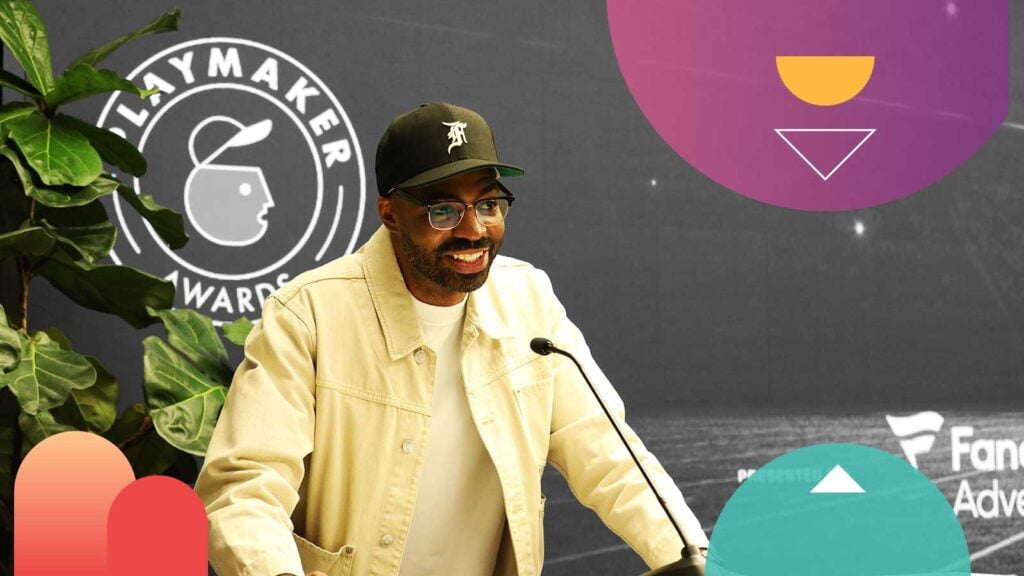
As the lines between sports, entertainment, gaming, and popular culture continue to blur, athletes are becoming increasingly influential in shaping how brands connect with fans. For EA SPORTS, building meaningful relationships with athletes is about more than star power or social media reach. It’s about finding authentic partnerships that resonate with audiences and strengthen the brand’s place in sports culture.
As part of Advertising Week’s AWPlaymaker Awards, which celebrate the intersection of sports, culture, and creativity, AW360 spoke with Troy Smith, North American Athlete Marketing Lead at Electronic Arts, about the evolving role of athletes as creators, the importance of authenticity in brand collaborations, and why measuring cultural impact requires looking beyond traditional engagement metrics.
Q: AWPlaymaker Awards celebrate the collision of sports, culture, and creativity. How do you see yourself playing a role in shaping that intersection today?
For one, I am a big proponent of collaboration amongst the cross-function team at EA SPORTS. I think we have the knack for viewing any scenario within the sports and entertainment space as an opportunity to further cement our footing. When it comes to my personal POV, I enjoy trying to operate within new spaces that are new for the brand. Tactically, that can be who we chose to work with on an athlete partnership front.
Q: What does authentic collaboration between a creator and a brand look like to you?
When it comes to athletes, I believe that it is easy for the consumer or sports fan to spot something that isn’t authentic, for they know and follow the athletes already at a high level. When it comes to EA SPORTS, people know our brand very well. Authentic collaboration to me looks like when the athlete is fully bought into the concept and the brand is fully aware that the right athlete is vital to the success of the campaign. Not just who is available, but who matches the brief perfectly.
Q: Modern fandom extends from locker rooms to living rooms — and now to social feeds and beyond. How do you build and maintain that kind of genuine community with your audience?
This would be a better question for our social and franchise teams… However, what I have observed, our team does a really good job of understanding where our fans are and how to engage with them in content that they care about.
Q: We’ve seen athletes become full-blown media brands and creators become cultural voices in sports. Where do you see that evolution heading next?
I would keep an eye out for athletes in space since fans continually want to hear from those that have played and have reference to the sport. We have seen this happen in real time with the amount of athlete led sports podcast that exist.
Q: There’s a difference between influence and impact. How do you measure success beyond views or engagement when it comes to shaping culture?
I think a way to evaluate this is to look at success from a 30,000 foot view and if the campaign is additive to what you have already done to date and progressing towards where you want to go, then that should be considered success. Views and engagement are a great data point but doesn’t always tell the whole story.
You May Also Like

Gen Z’s Problem With AI Marketing Isn’t What Marketers Think
Marketers are moving quickly with AI, but I’m not sure enough are asking what consumers think until after the work is already done.
The Power of the Transaction
On this panel presented by Citi Commerce Media, Quentin George, Distinguished Partner at McKinsey & Company, joins Pam Habner, Head of U.S. Consumer Cards; Jeff Chwast, General Manager of Citi Commerce Media; Elyse Lesley, Head of U.S. Consumer Cards Marketing; and Ben Mackinnon, Founder and CEO of Kard to discuss what purchasing behavior can reveal about customers. The conversation explores how Citi Commerce Media can connect audience insights with relevant advertising and offers across the purchase journey.

The Business of Joy: Four Cultural Shifts Brands Can’t Ignore
As consumers navigate increasingly digitally saturated lives, one truth has become impossible to ignore: people are actively seeking moments that make them feel something.