




Beyond Reach: Making Attention Count in Streaming TV
By Becky Johnson, Advertising Week Writer & Podcast Host
Reach and frequency remain central to media planning, but counting exposures does not tell brands how closely people are watching. In our Advertising Week New York discussion, Amazon Ads and Havas Media explored how attention, content selection and creative partnerships can help streaming investments work harder.
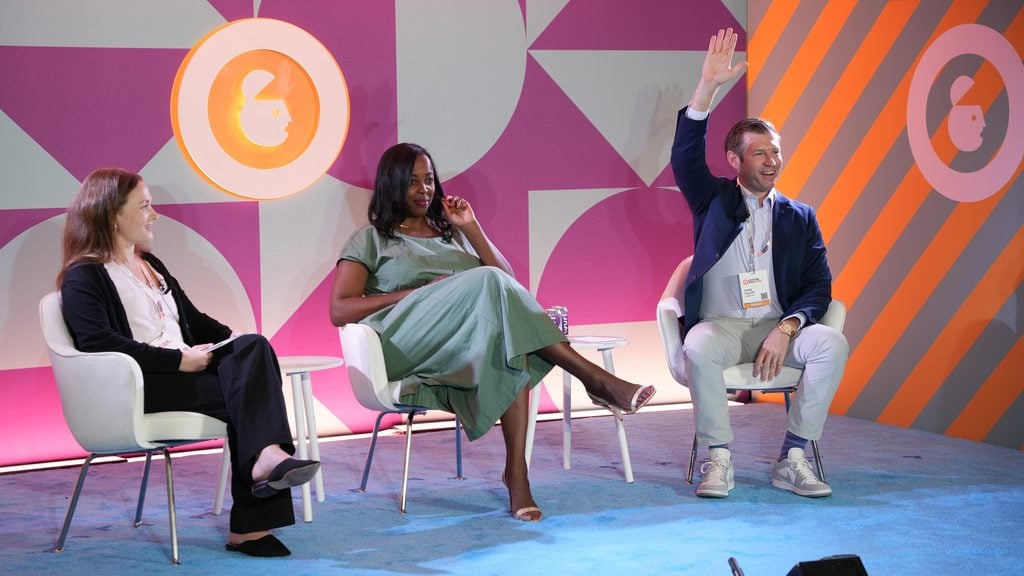
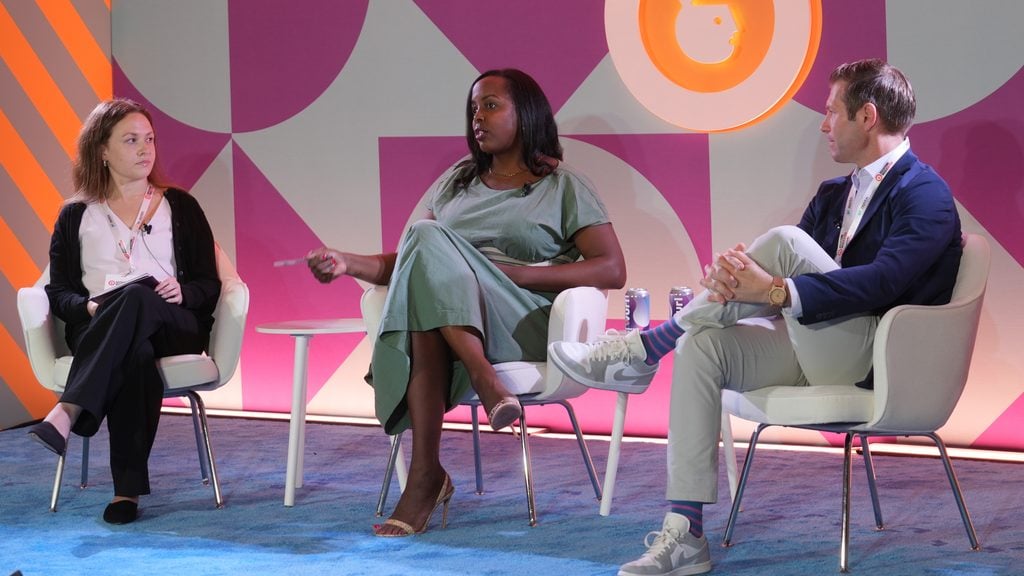
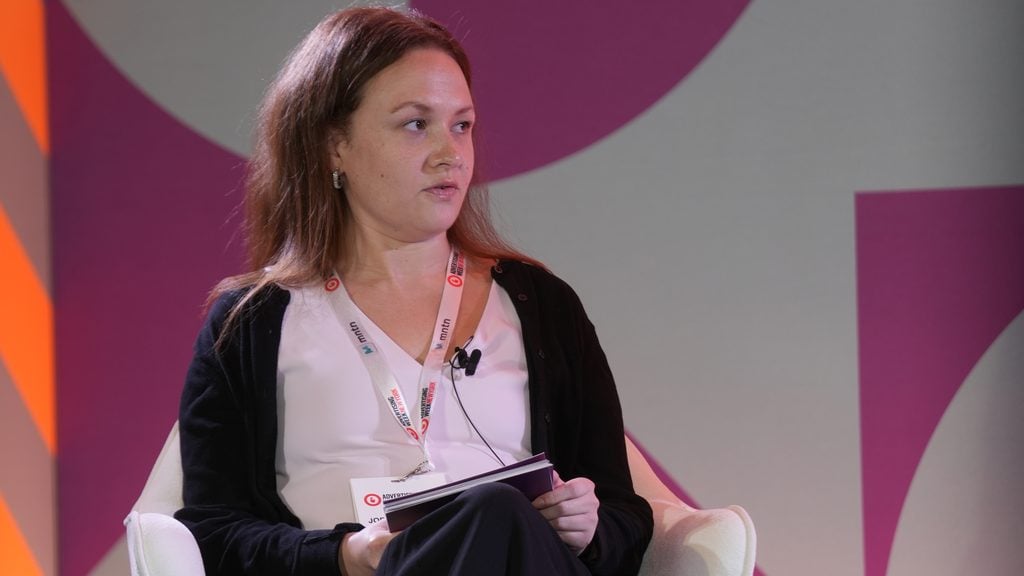
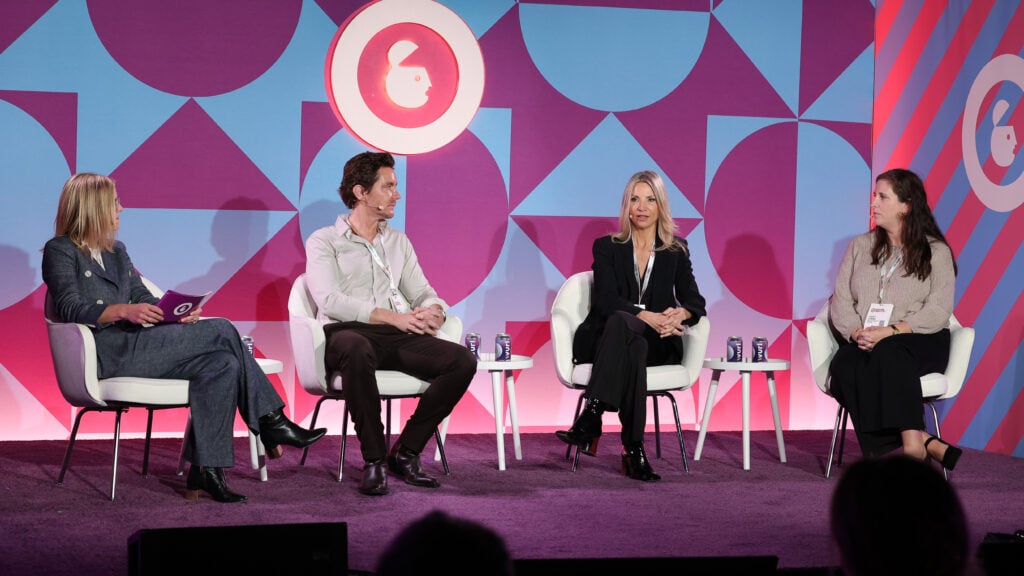
Chris Fuller, Director of U.S. Financial and Consumer Services Advertising Sales at Amazon Ads, moderated the conversation with Jodie Hayes, Vice President of Integrated Investments at Havas Media, and Lauren Anderson, Head of the U.S. Brand Innovation Lab at Amazon Ads. The panel examined how brands can participate in entertainment, measure audience engagement and decide when to create something of their own.
Chris opened with findings from Amazon-commissioned attention research involving more than 270 brand studies and approximately 200,000 respondents. Cumulative attention was eight times more predictive of positive brand outcomes than frequency alone, Chris said, citing measures such as brand favorability, purchase intent and ad recall.
For Jodie, the growing role of ad-supported streaming has changed the investment conversation. Brands are increasingly asking how much to invest and how to make that investment effective, rather than whether streaming belongs in the plan.
Jodie said watching a favorite series or live game is a different experience from casually scrolling through a social feed. Planning needs to account for both the content and how viewers engage with it.
“Not all impressions are created equal,” Jodie said.
Lauren approached that question from the creative side. The Brand Innovation Lab connects a brand’s objectives with opportunities across Amazon, including Prime Video, Amazon Music and Wondery, while considering what the experience offers the customer.
“What is the organic way to show up? What’s the best opportunity?” Lauren said.
Lauren cited Liquid I.V.’s partnership with the Prime Video series “Off Campus” as an example of a brand finding a natural role in existing entertainment. The campaign included product integration, hockey rink advertising within the show and surrounding ads featuring characters.
The partnership also extended into merchandise, social activity and pause ads. Lauren said those different elements offered ways to track awareness and conversion, but their effectiveness depended on the fit between the brand and the content.
The discussion then moved to the challenge of planning across a fragmented streaming landscape. Jodie said audience data and buying tools allow advertisers to adjust where they appear as viewers move among platforms, sports and series.
Reporting transparency is critical to those decisions. Knowing the streaming service is useful, Jodie said, but advertisers also need to understand the programs carrying their ads and whether those placements match the intended environment.
“If one show is performing really well, maybe that is, like, with Lauren’s perspective, where we need to lean in a bit harder on the IP, do something a little bit bigger and more 360,” Jodie said.
Jodie described an unnamed client that had historically relied heavily on linear television and needed to build awareness over a longer consideration period. In moving to streaming, the team established an attention baseline to guide adjustments while checking that the content suited the brand’s creative.
Custom content offered another option for brands unable to find the right existing property. Lauren said joining a popular show can itself be risky if audiences do not believe the brand belongs there.
Lauren described a Lexus partnership with singer and composer Laufey that brought together music, an electric vehicle and the centennial of Miles Davis’ birth. Laufey created a lyrical interpretation of “Blue in Green,” supported by a live musical event on Twitch and an original track released through Amazon Music.
The campaign gave Lexus a way to reach a younger, culturally engaged audience through an experience developed for that purpose. Rather than attaching to an existing entertainment moment, the brand helped create one.
“The cultural moment we want to attach to doesn’t exist, so we’re going to make it,” Lauren said, describing Lexus’ approach.
Lauren reported that Twitch live views exceeded the campaign benchmark by 45%, minutes watched by 191% and channel chats by 2,100%. Fire TV views were 60% above benchmark, Lauren said.
Those results reflected different roles across the campaign. Lauren said Twitch, Fire TV and Amazon Music each contributed to a shared story, with every touchpoint intended to do something distinct.
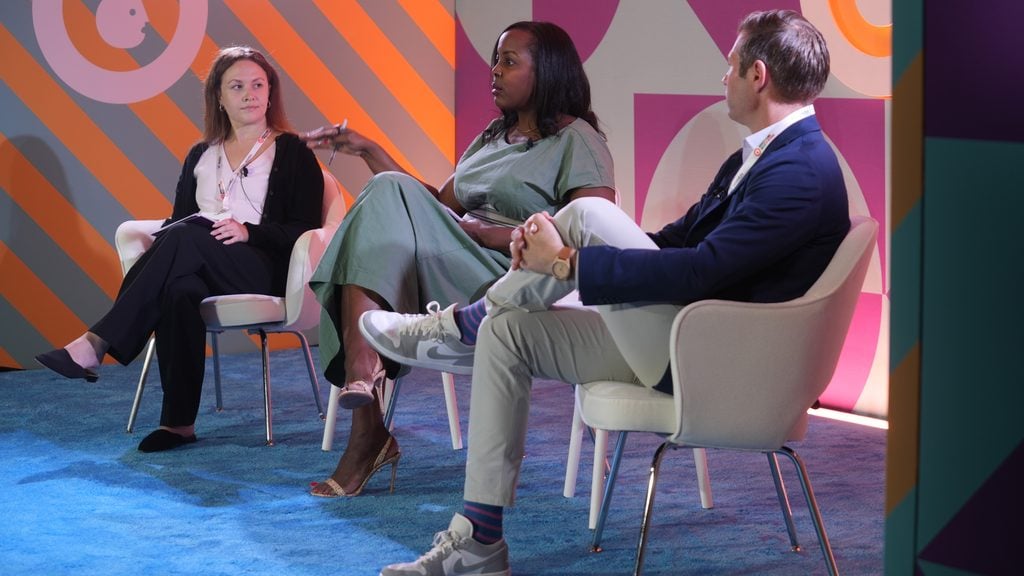
As the conversation turned to 2027 planning, Jodie emphasized combining streaming, podcasts and custom creative to make brands part of an experience. Transparency about where advertising appears would remain a priority as streaming opportunities continued to expand.
Lauren urged marketers to write briefs that clearly identify the intended audience, message and emotion. Those foundations help the creative team develop an experience that serves both the brand and the customer.
“And then the other thing I would say is that if it doesn’t exist, don’t be afraid to create it,” Lauren said.
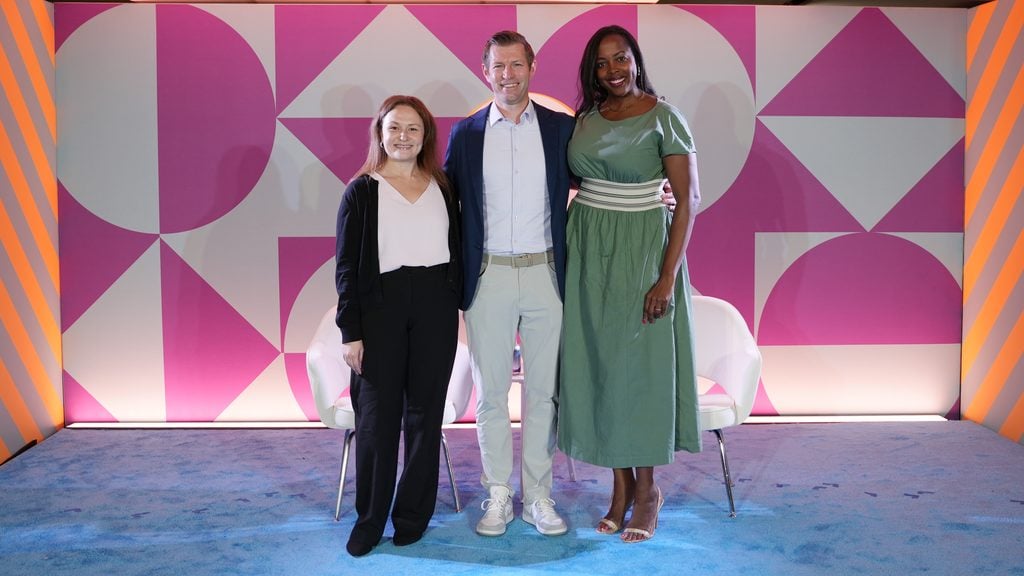
Sarah Merians Photography for Advertising Week
You May Also Like
More Than the Game: Earning a Place in the Fan Conversation
Ann Piper, Head of Sales for the Americas at Spotify, moderated the discussion with Angela Steele, Chief Client Officer, U.S. at WPP Media; Wes Harris, Director of Marketing for YouTube TV at Google; and Juliet Litman, Director of Talent and Operations at Spotify Podcast Studios.

Traditional Attribution and Promo Codes Share the Same Blind Spot
Traditional attribution and promo codes share the same blind spot.
The Next Era of Financial Media Networks
On this panel presented by Citi Commerce Media, Quentin George, Distinguished Partner at McKinsey & Company, joins Jeff Chwast, General Manager of Citi Commerce Media; Jack Jia, Founder and CEO of Musely; Maryam Paez, Head of Marketing & Loyalty at Paze; Jennifer Philo, Global Vice President, Digital Commerce and Partnerships at Blackhawk Network; and Joe Groter, Vice President of Commerce Partnerships at Publicis Media to discuss what financial media networks must deliver for advertisers. The conversation examines how transaction insights, relevant offers and payment capabilities can work together to serve customers.