




Brands Need to Think Like Broadcasters, Not Advertisers
By Joe Churchill, Founder, FanClub
For decades, advertising has operated on a relatively simple principle, create a compelling message, buy enough media to put it in front of people and attention will follow.
That model is now under pressure. Audiences have become highly skilled at avoiding advertising by skipping pre-rolls, scrolling past sponsored posts or paying for ad-free subscriptions. At the same time, they continue to spend hours with creators, channels and formats they actively choose to follow.
This represents a shift in how attention is earned. Advertising interrupts an audience while strong content gives people a reason to return. For brands, that means moving beyond how to reach people and thinking more seriously about how to build an audience of their own.
In other words, brands need to think less like advertisers and more like broadcasters.
The rise of the always-on audience
Platforms such as YouTube, TikTok and Instagram have transformed audiences from passive viewers into active participants, with near limitless choice over what they can watch, who they can hear from and how they engage.
Traditional campaign thinking is becoming less effective in isolation. A major creative idea supported by media spend may create a moment, but it does not necessarily create an ongoing relationship.
The rise of social and digital content platforms has led to the democratisation of distribution. Brands now have access to the publishing tools that have allowed creators and independent media companies to thrive and they can commission and distribute content directly, without relying on the walled gardens of traditional media owners. Yet too many still use their social channels as repositories for campaign assets, which may fill a content calendar, but it rarely gives anyone a reason to follow.
The brands doing it well are looking at what they can offer an audience consistently, rather than simply what they want to tell them.
JD Sports is a prime example. It still invests in traditional advertising, but much of its cultural relevance comes from its transformation into a powerhouse digital publisher. The retailer has built its own media ecosystem and direct consumer communities through highly engaging, social-first formats, such as its flagship YouTube game show The Ultimate Best Friends Test, its Bov Boys livestreaming partnership on Twitch, alongside authentic, subcultural joint ventures like the JD Sports x Sturdy Off dance battles.
Stop renting all your attention
For years, marketing has largely been about renting attention from publishers, broadcasters and platforms. Paid media remains essential for reach and commercial impact, but relying on it entirely means paying for access every time a brand wants to speak. When the spend stops, the attention usually stops too.
An owned audience works differently. These are people who have actively chosen to follow, subscribe, watch or participate, giving brands a more direct relationship with them.
Broadcasters have always understood the value of that relationship. Successful networks build recognisable formats, familiar talent and reasons for audiences to return. Loyalty is created through consistency, not occasional bursts of activity. A strong campaign can create a powerful moment, but a strong format can create hundreds of them.
Formats are more valuable than one-offs
Successful YouTubers, podcasters and TikTok personalities understand the power of formats instinctively, developing repeatable ideas that audiences recognise and return to.
Brands often do the opposite. Marketing teams can spend months developing a campaign platform, and then move on when the media budget ends. Any familiarity that has been built is lost and the process begins again.
The focus should not just be on what the next campaign will look like, but what a brand can create to bring its audience back next week. That might be an entertainment series, an interview format, practical information, behind-the-scenes access or regular commentary. What matters is whether it is valuable to the audience, relevant and credible for the brand and strong enough to develop over time.
Entertainment comes before promotion
In social feeds, audiences are looking to be entertained, informed or inspired. Brand content has to compete with everything else available to them, including creators who understand these motivations extremely well.
Our recent series Steam Queens for Russell Hobbs illustrates how brands can approach this differently. Hosted by broadcaster and presenter Frankie Bridge, the series brings together emerging stylists, designers and creators, blending practical guidance on upcycling and sustainable fashion with emotive personal storytelling. The Russell Hobbs products play a natural role, but they do not carry the entire concept, and to date this has helped the series attract more than 21 million cross-platform views, not to mention more than doubling their subscribers.
And this distinction matters. Branded entertainment should not be a long advert dressed up as a programme. It should begin with a genuine audience proposition, then identify a natural role for the brand within it. This does not mean brands should stop selling, its just means they need to earn the right to sell. Before asking whether every product message has made the edit, marketers should ask whether anyone would willingly spend time with it. Once you’ve cracked engaging content that the audience wants to stick around for you can be surprisingly prominent with your branding and CTAs.
Advertising is not disappearing, and nor should it. Paid reach will continue to play a vital role in driving awareness, sales and growth, but brands can now use paid and content in concert to build something of compounding value: their own channels, formats and communities. In the age of democratised distribution access is no longer the competitive advantage. That advantage now lies in having ideas people value and the discipline to deliver them consistently.
The brands that succeed will not simply be those able to buy the most attention. They will be the ones that know how to keep it.
You May Also Like
The Power of the Transaction
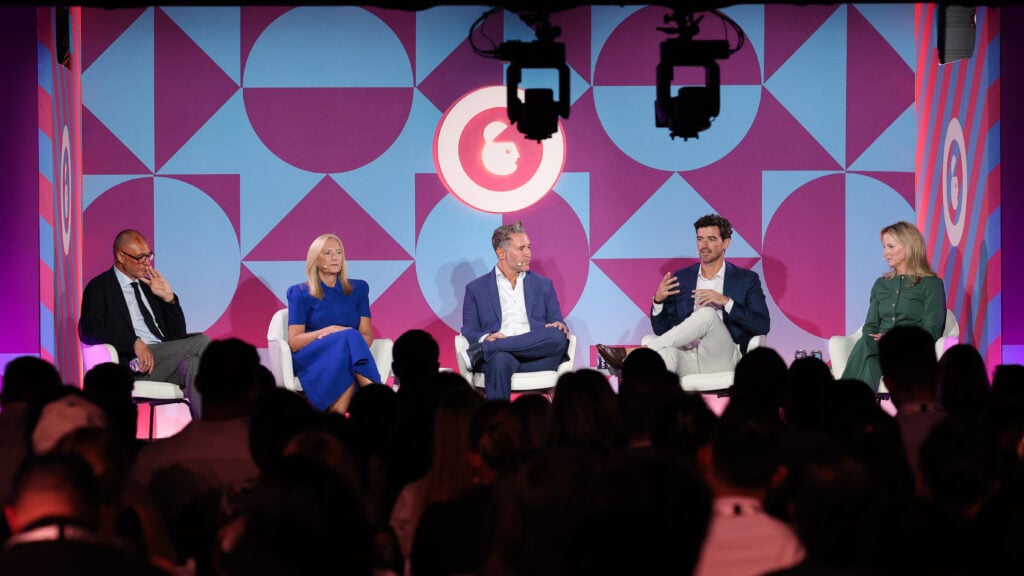
A click can suggest interest, but a transaction shows where someone chose to spend. In our Advertising Week New York session, “The Power of the Transaction,” the leaders behind Citi Commerce Media discussed how purchasing data can help brands identify audiences, deliver relevant offers and assess what happens after an advertisement.
How to Find Authentic Experts in a World of Ai-Generated Content
As AI-generated content floods the internet, how do we know who’s actually an expert anymore? Why businesses need better ways to distinguish genuine human expertise from AI-generated noise.
Brands Can Scale Creator Content Without Sacrificing Authenticity
With platforms and technology providers promising easier discovery, faster campaign setup, and more efficient distribution, creator marketing is starting to look more like the rest of digital advertising. For brands managing a growing number of creator relationships and assets, the appeal is obvious. But it also raises a reasonable concern.