




Field to Fandom: Where Storytelling Meets Performance
By Becky Johnson, Advertising Week Writer & Podcast Host
Wayfair’s investment in football began with the place where many fans experience the game: their living rooms. In our Advertising Week New York session, “Field to Fandom,” Wayfair and Paramount discussed how a campaign featuring Matthew Stafford and his family connected that setting with furniture, storytelling and measurable performance.
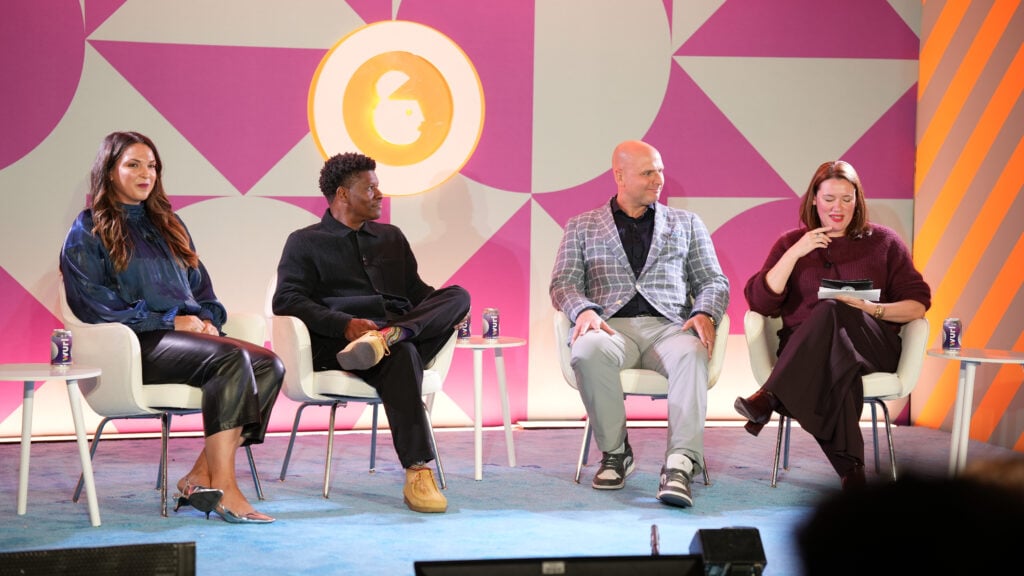
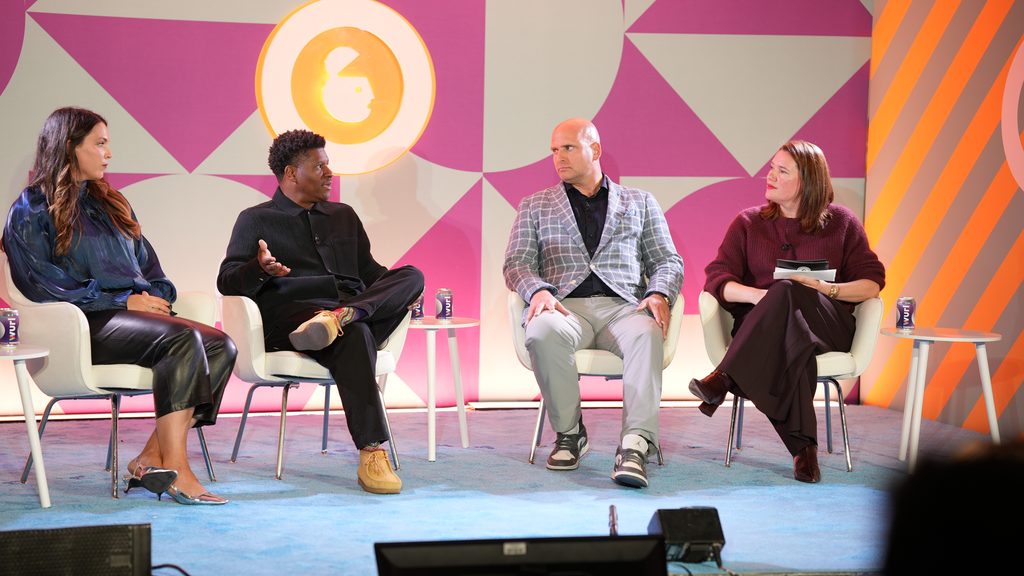
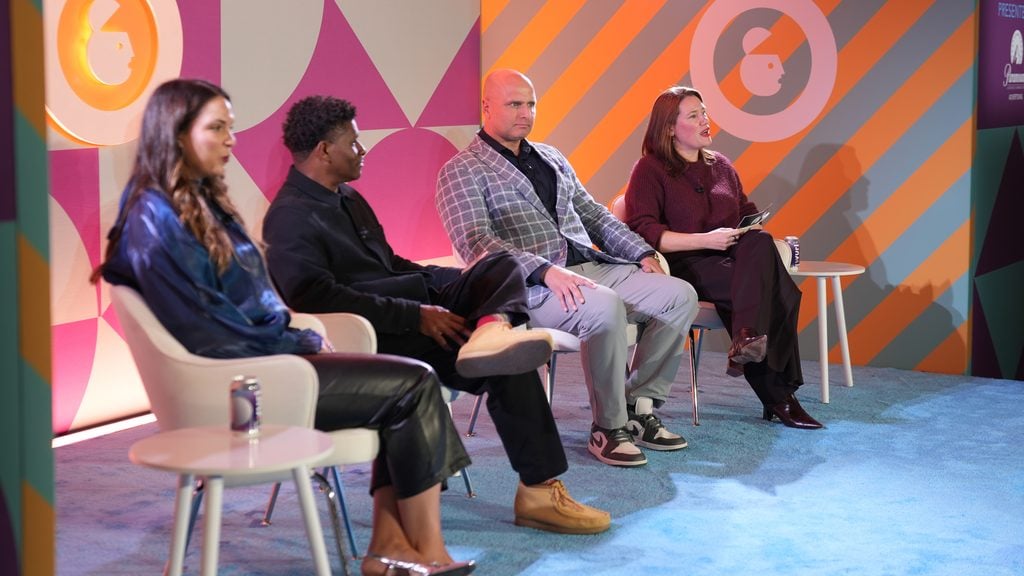
Mary Kate Callen, Senior Vice President of Market & Cultural Intelligence at Paramount Advertising, moderated the conversation with Amanda Evans, Global Head of Brand, Insights & Partnerships at Wayfair; Dayo Harewood, Senior Vice President, Creative at Paramount Media Labs; and Neil Greskiewicz, Vice President of Ad Sales at Paramount Advertising. The panel opened with the campaign spot, which featured Matthew, his wife, Kelly, and their four daughters navigating the chaos of family life.
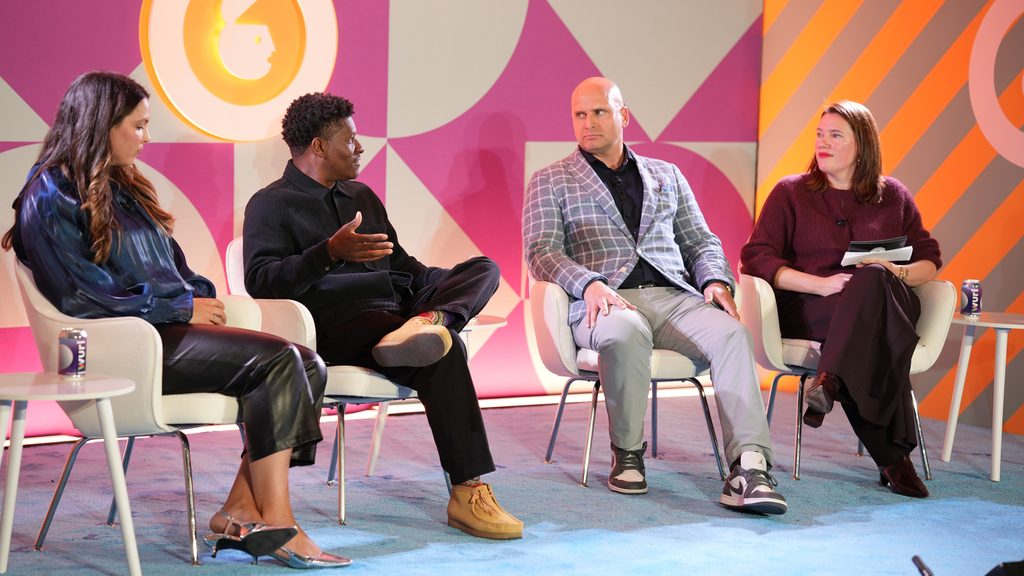
Amanda said the connection between football and home made the partnership a natural fit. Wayfair wanted to establish a stronger association with the living room, while its research pointed toward customers wanting spaces where everyday life could happen freely.
Dayo described the creative starting point as a familiar problem: a growing family looking around a room and realizing it no longer works for them. The Staffords offered a way to show that experience through a recognizable family without losing its relevance to viewers.
“We took a high profile family, that universal truth that they’re probably living when you don’t see them on TV and try to make it as relatable as possible,” Dayo said.
The spot shifted from Matthew’s football identity to his role at home. For Amanda, that connection mattered because Wayfair had committed substantial advertising investment to football, and the creative needed to give viewers a reason to remember the brand.
“Because otherwise, if you don’t have breakthrough and you don’t have a story, well, you just have expensive entertainment,” Amanda said.
Neil added that a celebrity association has to make sense to the audience. The family setting gave the campaign a recognizable experience beyond the athlete’s fame, while the furniture addressed the practical needs shown in the story.
The partnership also extended beyond football. Neil described the NFL as a major awareness opportunity, but said advertisers should consider what those viewers watch elsewhere, including entertainment and children’s programming.
By carrying a campaign across those environments, a brand can build on its initial exposure. Amanda said Wayfair tested the spot with sports and non-sports audiences, and it performed well with both, including NBA viewers.
Wayfair’s brand and performance teams worked closely throughout the process. Amanda said brand growth takes time, but that does not excuse vague results; the performance team helps assess whether the work is moving in the right direction.
“Just because you’re a brand marketer doesn’t mean that you can be vague on results, right?” Amanda said.
Neil said the same principle applies to partnerships of different sizes. A brand needs a central moment around which it can build its campaign, whether that means an NFL investment or an integration in a streaming show, with creative and distribution suited to its budget.
The discussion then turned to a small script change that illustrated where human judgment fit into Wayfair’s testing process. The team initially wrote a football-style play call, “Let’s run Purple 42,” but captured alternatives in case the reference did not connect with viewers.
On set, the team chose “Let’s run Wayfair.” Amanda said that specific decision was not tested; she and the creative lead agreed it was the right choice for the brand.
Dayo said the change also supported the campaign’s wider appeal. A football audience could recognize the play-call structure, while viewers outside that audience could still follow the story and connect the line directly with Wayfair.
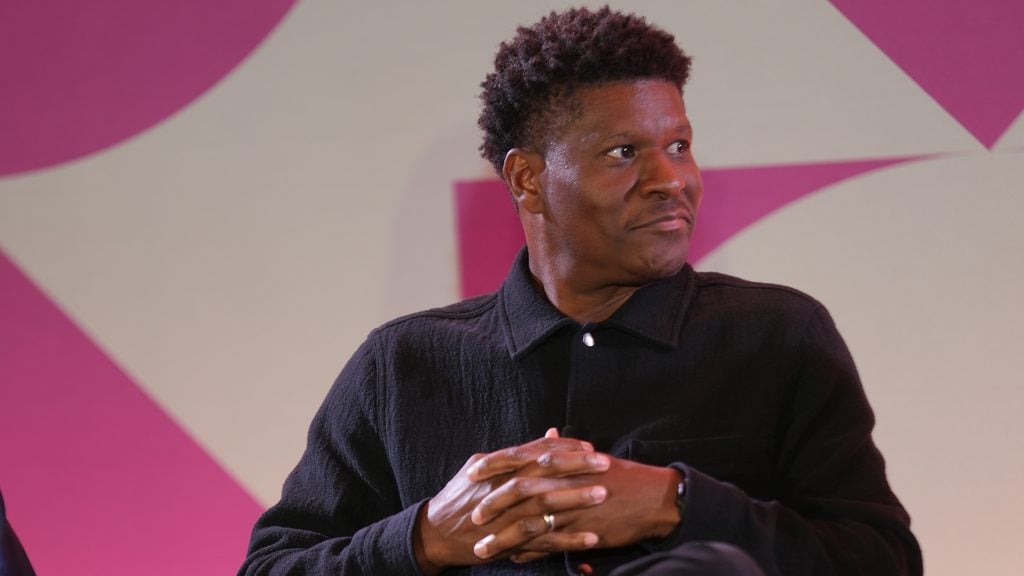
The furniture was part of the action throughout the spot. Storage, a coffee table and a sofa helped show the challenges of the family’s existing room before Wayfair transformed the space.
Dayo said that approach allowed the products to demonstrate their role in family life without interrupting the story. For Amanda, showing an entire room added complexity because the creative had to communicate how the pieces worked together.
Before launch, Wayfair tested concepts, scripts and rough cuts. Amanda described using eye tracking and facial responses to examine attention and emotion, alongside research into brand trust and perceptions of quality.
Amanda said the spot performed well in rough-cut testing. Although media results were still early, she said her team had identified it as one of Wayfair’s top-performing sports ads to date.
AI had helped speed parts of the research process, Amanda said, including customer interviews conducted by an AI interviewer the team called George. The technology allowed interviews to run over a weekend, but Amanda emphasized that faster work should not mean skipping steps or removing human judgment.
Trust between teams was another recurring theme. Neil said successful campaigns require people to share responsibility and rely on colleagues’ expertise, while Dayo credited Wayfair’s clear understanding of its brand with making creative collaboration more productive.
That coordination continued through the launch. Amanda described a schedule that connected the spot with social posts, executive participation and a People magazine exclusive, giving the campaign support beyond its television placement.
Asked for a final lesson, Amanda returned to the principle behind the family-focused creative. For all the testing and planning, the work still needed a story people could recognize.
“I would constantly remind ourselves that everyone connects with a story,” Amanda said.
Sarah Merians Photography for Advertising Week
You May Also Like
More Than the Game: Earning a Place in the Fan Conversation
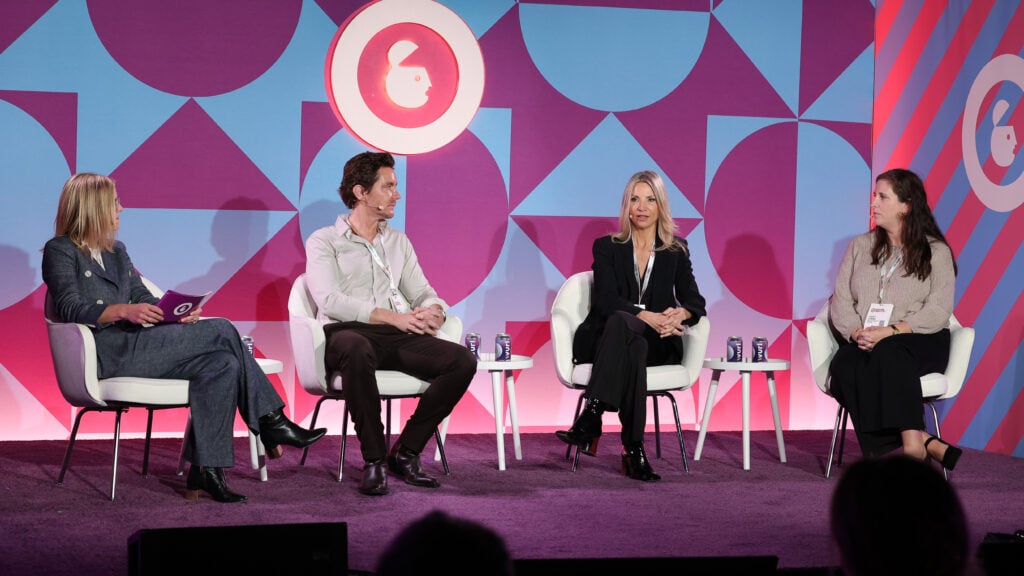
Ann Piper, Head of Sales for the Americas at Spotify, moderated the discussion with Angela Steele, Chief Client Officer, U.S. at WPP Media; Wes Harris, Director of Marketing for YouTube TV at Google; and Juliet Litman, Director of Talent and Operations at Spotify Podcast Studios.

Traditional Attribution and Promo Codes Share the Same Blind Spot
Traditional attribution and promo codes share the same blind spot.
The Next Era of Financial Media Networks
On this panel presented by Citi Commerce Media, Quentin George, Distinguished Partner at McKinsey & Company, joins Jeff Chwast, General Manager of Citi Commerce Media; Jack Jia, Founder and CEO of Musely; Maryam Paez, Head of Marketing & Loyalty at Paze; Jennifer Philo, Global Vice President, Digital Commerce and Partnerships at Blackhawk Network; and Joe Groter, Vice President of Commerce Partnerships at Publicis Media to discuss what financial media networks must deliver for advertisers. The conversation examines how transaction insights, relevant offers and payment capabilities can work together to serve customers.