





Five Ways HR Can Take a More Personalized Approach to Wellbeing Strategies

By Nina Stephenson-Camps, Founder at Thrive Always
The UK’s creative industry has a problem, its people are burnt out. Strategies that are supposed to make talent happier and healthier aren’t working. If we are to protect the future of the creative industries we need to reimagining how we approach HR, moving beyond bureaucracy to empower growth, innovation, and individuality. We need personalised approaches that fit individual needs and we need it now.
Here are four ways HR leaders can take a more personalized approach to wellbeing strategies:
- Understanding. By taking the time to understand the nuances of each role/dept/team and the elements that cause tension and burn out we can take steps to understand the ‘how’. Whether it’s a survey or 121’s, gaining a deep understanding of the specifics ensures employees feel heard and relevant strategies are implemented. It also avoids wellbeing washing.m
- Incorporate wellbeing as a subject in reviews. This is key. There’s a lack of accountability from organisations and employees on how to effectively manage wellbeing. Making wellbeing part of the review process will ensure the individual’s specifics are heard and strategies are agreed and implemented to support, learn and grow.
- Creating a psychologically safe environment for people to be honest about their experiences at work – this requires the full support of the leadership team and training for everyone in Emotional Intelligence and how to give and receive feedback. Many people listen to speak rather than listen to hear!
- Ensure the leadership team demonstrates the personalised approach the organisation is taking. Normalising the approach into the day-to-day of the company, discussing what steps they take to manage their wellbeing and also how their approaches are individual. This will open conversations and underpin the value the organisation places on wellbeing health.
- Create a culture of belonging by recognising the ratios across the organisation in terms of the various cultures, age groups, gender ratio, ratio of new and tenured employees. Having a deep understanding of this will ensure you create programs that speak to the collective and the individual.
Benchmarking is a wonderful way to demonstrate positive change within the organisation. It keeps everyone accountable. In conclusion, adopting a personalized approach to wellbeing strategies is not just a trend but a strategic imperative for HR leaders aiming to cultivate a thriving and resilient workforce. By understanding individual needs, incorporating wellbeing into reviews, fostering psychologically safe environments, demonstrating leadership commitment, and embracing a culture of belonging, organizations can effectively support their employees’ holistic wellbeing. This proactive approach not only enhances employee satisfaction and retention but also reinforces the organization’s values of empathy, inclusivity, and genuine care for its most valuable asset—its people. As we navigate the evolving landscape of work, prioritizing personalized wellbeing strategies ensures that organizations not only survive but thrive in fostering a healthier, happier, and more productive workforce.
You May Also Like
The Entertainment Revolution: Why Brands Need to Think Beyond the Screen
As gaming, streaming and social media reshape how audiences experience entertainment, marketers face a fundamental challenge: Learning to participate in culture rather than simply advertise alongside it.
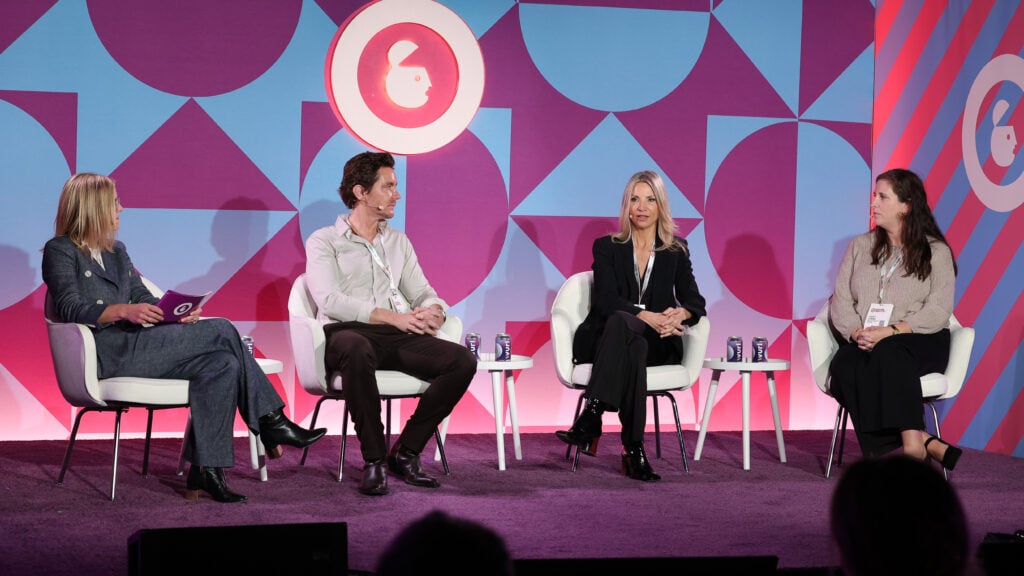
More Than the Game: Earning a Place in the Fan Conversation
Ann Piper, Head of Sales for the Americas at Spotify, moderated the discussion with Angela Steele, Chief Client Officer, U.S. at WPP Media; Wes Harris, Director of Marketing for YouTube TV at Google; and Juliet Litman, Director of Talent and Operations at Spotify Podcast Studios.

Traditional Attribution and Promo Codes Share the Same Blind Spot
Traditional attribution and promo codes share the same blind spot.