





Growing Brands Without Getting in the Customer’s Way

By Becky Johnson, Advertising Week Writer & Podcast Host
Tractor Supply’s retail media strategy begins with a question about the shopper: Does the advertising make the experience better? In our Advertising Week New York session, “The Next Era of Commerce Media: How Tractor Supply Is Building for What’s Ahead,” the retailer discussed how that principle guides its work with brands, its use of technology and its plans for expansion.
Nicholas Ward, President and Co-Founder of Koddi, led the conversation with Tori Haynie, Director of Retail Media and Digital Initiatives at Tractor Supply Company. Tori described a network built around customer relationships and retail operations, with an emphasis on helping advertisers reach people without overwhelming them.
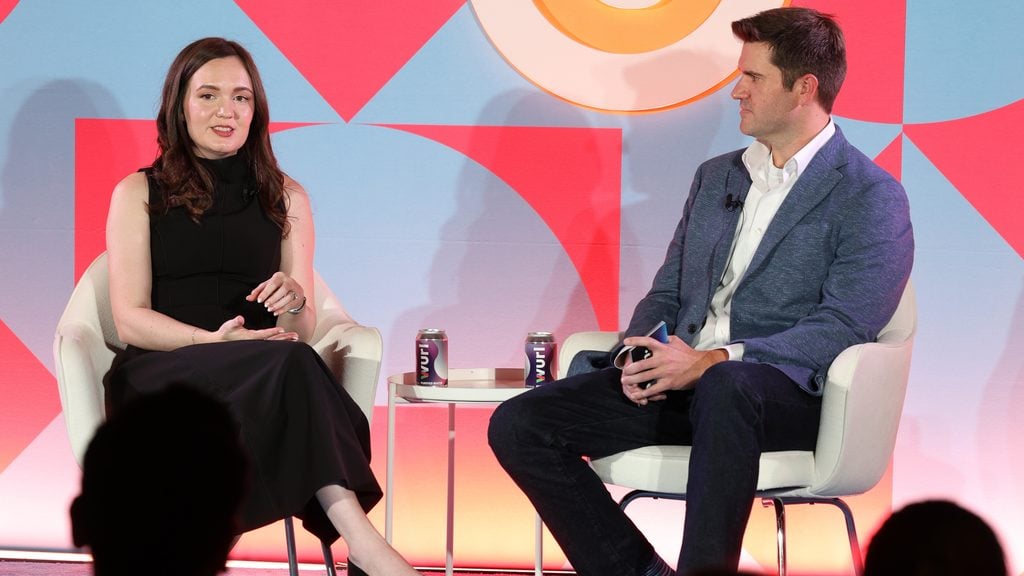
Tori’s background in economics, operations and analytics shapes how she explains retail media to brands. Some of Tractor Supply’s vendors have little experience advertising through other retailers, making a clear explanation of how the investment works particularly important.
That analytical approach has also required some adjustment. Tori said awareness campaigns do not always deliver the return on advertising spend she would prefer, and that understanding their role means balancing the creative work with the numbers.
The customer base is broader than outsiders might assume. Alongside customers caring for livestock and land, Tractor Supply serves first-time pet owners and families moving farther out of town.
“Well, we know our neighbors, not our customers,” Tori said.
Tori described a relationship that extends beyond transactions, including employing people who live the lifestyle the retailer serves and supporting agricultural education through 4-H and FFA. Shopping patterns can also reveal changing household needs, from switching dog food to adding more animals.
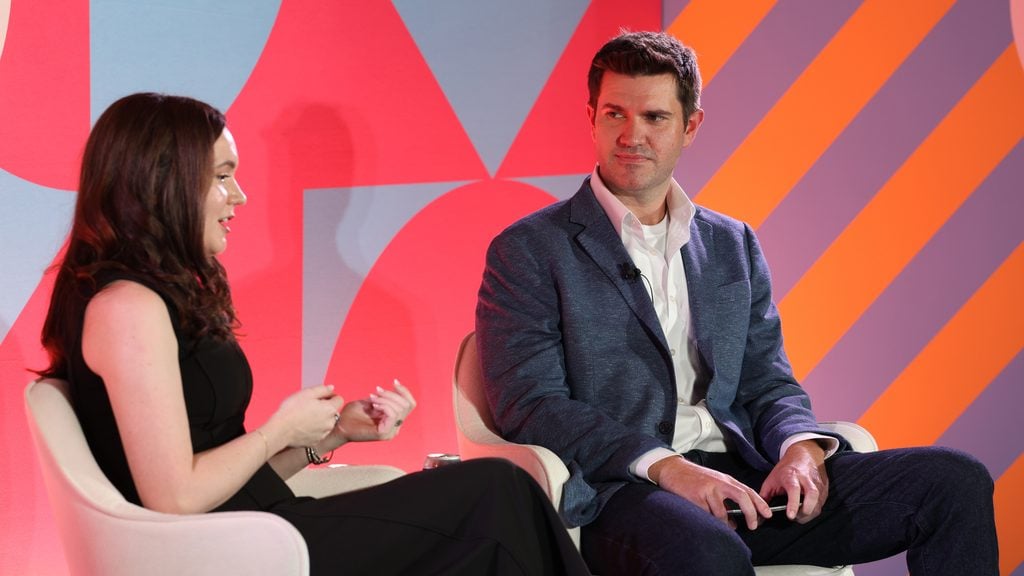
The network takes the same view across stores and the website. Tori said the location of a transaction matters less than understanding when customers need each channel, whether they are researching a large purchase online or seeking advice and supplies in a store.
Building retail media within that experience required addressing concerns from colleagues about adding too much advertising. Tori said the goal is to help people find what they need while respecting Tractor Supply’s role as a needs-based retailer.
“It has to be enhancing to the experience in some way,” Tori said.
That approach also creates opportunities for smaller brands. Physical stores have limited room for products, while digital advertising can help emerging vendors introduce themselves, demonstrate demand and build a case for broader distribution.
Tori said campaigns should reflect each brand’s position and goals. A newer vendor may need a program that clearly demonstrates the value of its investment, while an established brand may benefit from a larger category or seasonal opportunity, including the retailer’s annual live-chick sales.

Operating with a small team has made the network’s technology choices particularly important. Tori said moving away from separate reporting systems for different ad products helped the team assemble a fuller picture of performance with less manual work.
AI supports that oversight. With thousands of campaigns running, Tori uses Koddi’s AI-enabled reporting tools to identify where she needs to focus, including potential problems that merit a conversation with the team or an advertiser.
The aim is to act before an issue grows and make recommendations while a campaign can still be adjusted. Tori drew a distinction between that use of technology and using AI to respond to clients, which she said can make a relationship feel impersonal.
“Learn what the other person is worried about or struggling with or what makes them successful,” Tori said.
Tori measures the strength of those relationships partly through advertisers who return year after year. Remembering a business problem and consistently making progress toward solving it matters more than a superficial personal touch, Tori said.
The network’s developing capabilities include a sponsored brand format that combines a still image or video with a carousel of up to 16 products. Tori said presenting a promotion and its eligible products together can make shopping simpler than asking customers to search and filter for each item.
Tractor Supply is also expanding in-store advertising and exploring connected TV. Tori said those plans will reflect where its own customers spend time and are receptive to new products.
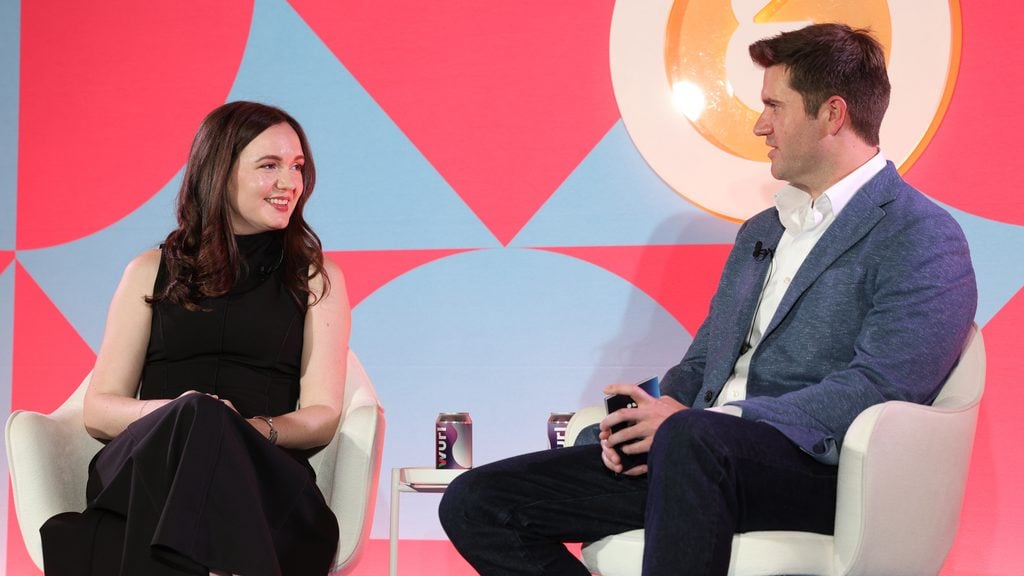
For advertisers planning larger partnerships, Tori encouraged early conversations and clear objectives. Approaching the network eight to 12 months ahead can create opportunities to connect a brand with retail events that are still being planned.
Tori closed with a policy she acknowledged could be controversial: Tractor Supply does not allow competitors to buy advertising against another brand’s own branded search. The network’s purpose, Tori said, is to help advertisers grow rather than require them to defend customers already seeking their products.
“I think your money should go towards driving something new, and I’m not in the business of taking credit for what would have already happened,” Tori said.
That policy sits alongside investment in brand pages that help customers learn about vendors and their products. For Tori, those experiences should be accessible across brand sizes, with customer education remaining part of the retailer’s responsibility.

Sarah Merians Photography for Advertising Week
You May Also Like

More Than the Game: Earning a Place in the Fan Conversation
Ann Piper, Head of Sales for the Americas at Spotify, moderated the discussion with Angela Steele, Chief Client Officer, U.S. at WPP Media; Wes Harris, Director of Marketing for YouTube TV at Google; and Juliet Litman, Director of Talent and Operations at Spotify Podcast Studios.

Traditional Attribution and Promo Codes Share the Same Blind Spot
Traditional attribution and promo codes share the same blind spot.

The Next Era of Financial Media Networks
On this panel presented by Citi Commerce Media, Quentin George, Distinguished Partner at McKinsey & Company, joins Jeff Chwast, General Manager of Citi Commerce Media; Jack Jia, Founder and CEO of Musely; Maryam Paez, Head of Marketing & Loyalty at Paze; Jennifer Philo, Global Vice President, Digital Commerce and Partnerships at Blackhawk Network; and Joe Groter, Vice President of Commerce Partnerships at Publicis Media to discuss what financial media networks must deliver for advertisers. The conversation examines how transaction insights, relevant offers and payment capabilities can work together to serve customers.