





Healthcare is an inherently human business, but the experience doesn’t always feel that way. Patients are navigating some of the most personal and vulnerable moments of their lives, while healthcare organizations are balancing clinical excellence, technology, efficiency, trust and the realities of running an increasingly complicated business.
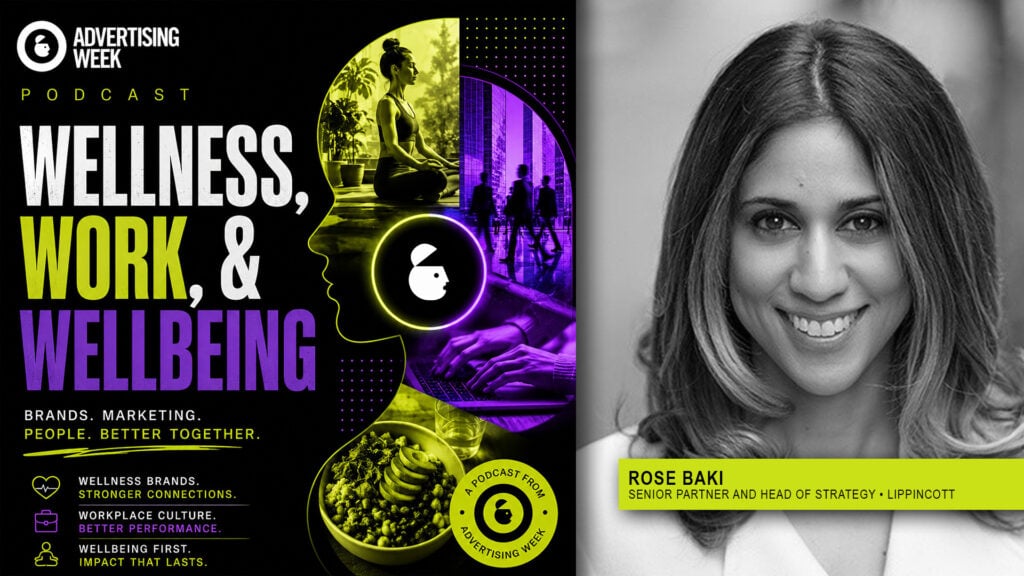
Rose Baki, Senior Partner and Head of Strategy at Lippincott, joins Wellness, Work & Wellbeing to talk about why the strongest healthcare brands start with the patient experience and why that experience has to extend well beyond marketing.
In this episode, we talk about the relationship between brand and business strategy, what patients actually remember about their care, the role physicians play in delivering the brand experience and how AI is changing the relationship between patients and healthcare organizations. We also discuss Lippincott’s CMO Outlook 2026, why healthcare marketers need to be part of larger leadership decisions and why clinical excellence alone isn’t enough to build lasting patient relationships.
Five Key Takeaways
1. Healthcare may be complicated, but the patient experience is still deeply personal.
Patients aren’t only evaluating expertise, facilities or outcomes. They’re paying attention to whether someone asked about their life instead of just their symptoms, whether they felt reassured and whether they left knowing what to do next. Those moments are where a healthcare brand becomes real.
2. Brand can’t be a project healthcare organizations finish and move on from.
A brand needs to connect to where the business is going and continue through the decisions an organization makes about its patient experience, technology and investments. If it only exists in marketing, patients are unlikely to experience what the brand is promising.
3. Clinical excellence gets you considered, but human connection can determine whether patients come back.
Credentials and expertise matter, but most people also know what it’s like to encounter a highly recommended physician who made for a terrible experience. Empathy, reassurance and feeling seen can influence whether a patient returns, recommends a provider and develops a lasting relationship with the organization.
4. AI creates an opportunity to strengthen the physician-patient relationship.
Used thoughtfully, AI can give physicians better access to a patient’s history, take transcription and administrative work out of the interaction and help patients get information in ways that work for them. Digital twins take that possibility further, but they also force organizations to decide where technology should lead and where it should support the human relationship.
5. Trust will depend on leadership making deliberate choices about the experience.
As technology becomes part of more patient interactions, healthcare organizations need to be clear about how it is being used, what happens to patient information and which moments should remain distinctly human. Those aren’t decisions for one department to make alone. Leadership, marketing, technology and clinical teams all need to be part of the conversation.
Listen & Subscribe