

DoorDash + Instacart: What Advertisers Should Do Now

By Lauren Sanvidge, Executive Director, Head of Commerce, Crossmedia
The race to deliver products to your door just got more competitive with DoorDash’s proposed acquisition of Instacart. The transaction is valued at roughly $17 billion and is expected to close by the end of 2027 or in the first half of 2028. Pending regulatory approval, this aligns two significantly different delivery and commerce-media businesses and is sure to affect companies such as Amazon and Walmart, but what does this mean for advertisers?
In the near term for advertisers, it will be business as usual. Instacart and DoorDash will continue to deliver (pun intended) incremental reach and new customers. The more immediate priority is establishing a clear performance baseline before any integration begins.
Once merged together, the companies will offer advertisers a stronger view of immediate consumer demand: food delivery, groceries and goods needed quickly from nearby retailers. Instacart also contributes valuable cross-retailer shopper signals, while DoorDash adds scale across more purchase occasions.
The media business will be substantial. EMARKETER forecasts $1.33 billion in U.S. commerce-media revenue for DoorDash and $1.20 billion for Instacart in 2026. Their combined $2.53 billion would exceed Uber’s projected $1.76 billion. That scale could eventually support broader audiences, coordinated buying and a more complete view of reach across the two platforms.
The advertiser value will depend on execution. The companies currently have separate sales operations, measurement systems and overlapping advertiser bases. A shared owner only becomes a meaningful media advantage when brands can understand duplicated audiences, apply consistent measurement and see what each investment contributes.
Instacart’s retailer relationships will be equally important. Its value comes partly from visibility across participating merchants and categories rather than within a single retailer ecosystem. Advertisers should monitor whether retailer participation, inventory coverage or access to shopper signals changes under DoorDash ownership.
Regulation remains part of the equation. Antitrust concerns helped derail an earlier DoorDash effort to acquire Instacart in 2021. EMARKETER noted that the current transaction could face conditions, including potential divestitures, although nothing is certain today.
What advertisers should do now
Brands should continue investing while monitoring platform performance: incremental reach, new-to-brand contribution, attributed sales, retailer coverage, media costs and reporting access.
That baseline will matter when the commercial model begins to change. A combined DoorDash and Instacart would have greater scale with advertisers and could introduce new minimums, rate structures or bundled investment asks. Brands will need to know whether those offers provide incremental value or simply consolidate existing spend.
The proposed acquisition makes DoorDash and Instacart more important partners. Additional investment should follow data confirming that the merged retailer improves reach, measurement or business outcomes—not scale alone.
With that in mind, there are three priorities advertisers should focus on as the deal progresses:
- Keep Instacart in media plans. Its audience value hasn’t changed, and advertisers should continue leveraging the platform where it delivers results.
- Prioritize incremental reach. Make it the primary KPI and track it consistently against current performance baselines to quickly identify any changes.
- Get answers from both platforms early. Advertisers should ask DoorDash and Instacart how they’ll handle data access, measurement, and the buying model as the deal progresses to better inform future investment decisions.
You May Also Like

You Don’t Have to Be a Big Name to Get Noticed
It turns out that the people deciding who gets coverage and who gets the microphone aren’t always looking for the biggest name in the room.
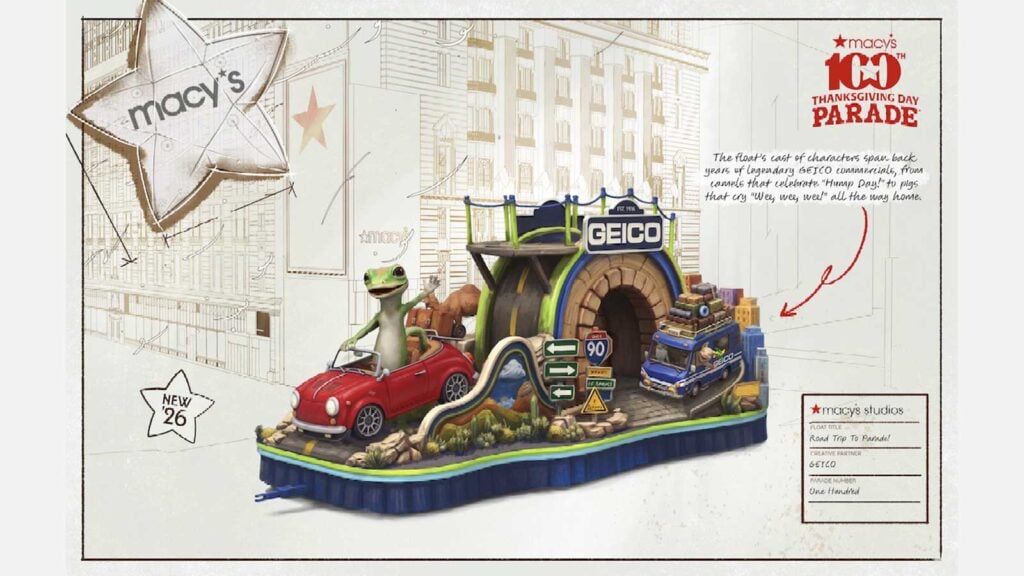
The GEICO Gecko and Friends Go on a Road Trip in First-Ever Macy’s Thanksgiving Day Parade Float
Naturally, we wanted to learn more about GEICO’s first Parade float so we got the scoop from Sialoren Spaulding, Senior Director of Marketing, Brand and Creative at GEICO.

The Best Targeting Signal Isn’t in Anyone’s Data Stack
Economic optimists are a high-value audience defined by a mindset that no platform can provide for you.