




IAB Framework Shows Advertisers Still Struggle to Get Gaming
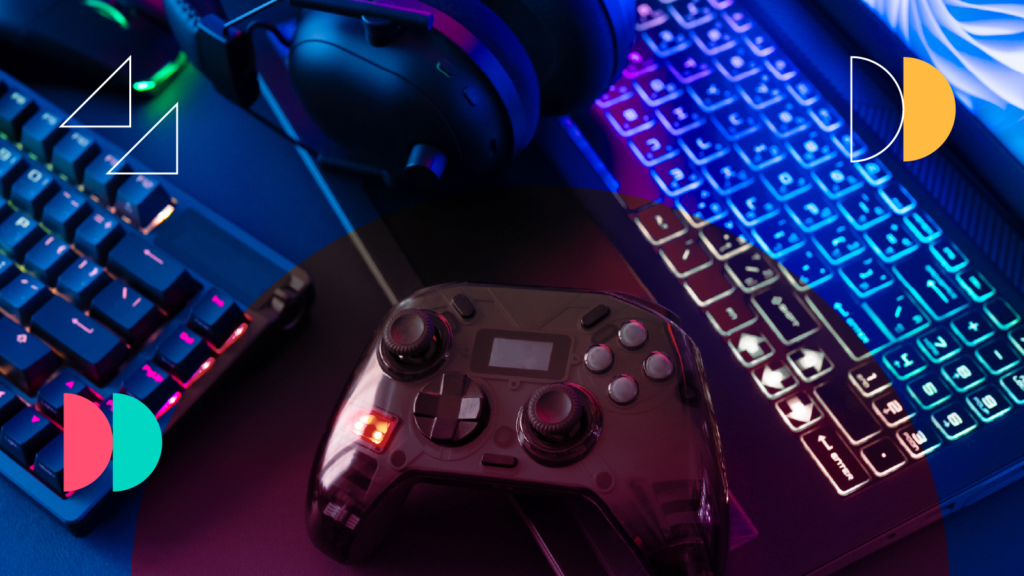
By Yuriy Yarovoy, SVP, Revenue of Medal
Just like with social media and the internet before it, brands realize that the opportunity to be an early-mover in gaming is long gone – and it’s causing late adopters to scramble.
Gaming isn’t just a category to consider, it’s a cultural phenomenon that intersects with fashion, music, film, and more. The good news is it’s not too late – brands can show up authentically with custom in game experiences.
To help brands better understand the value of the gaming audience, the Interactive Advertising Bureau (IAB) issued a new framework outlining how to measure the impact of engaging gamers. But what some see as bold and declarative is still off-base to those who spend the most time in the space.
The ethos of the IAB’s framework – lowering the barrier of entry for brands leveraging gaming and using standardization to help them advocate for strong results – is commendable. But it also has its limits.
The fundamental flaw lies in the framework’s reliance on impression-based metrics. Impressions, while a comfortable and familiar currency for traditional media, are predicated on interruptions and passive consumption. Fans glance at a billboard while driving or listening to a TV ad while scrolling on their phone.
Gaming is not passive consumption, though. In fact, gaming isn’t even a vertical – but rather a lens that young consumers use to engage with music, sports, fashion, and more. The gaming audience listens to their favorite music in Fortnite, buys clothing tied to their favorite gaming IP, and plays as their favorite NFL teams in Madden.
Gamers are fully immersed in these experiences, sometimes for hours on end. The average gamer spends 12 hours a week playing. On Medal – the largest platform for gamers to clip, save, and share their in-game moments with others – users spend upwards of 23 hours a week in-game, surpassing time spent listening to music, streaming shows or movies, and browsing social media combined.
This audience spends fleeting moments listening to or watching traditional ads – or seconds of time that translate to one, hard-earned impression.
But when it comes to gaming – where highly-engaged consumers are spending time with each other most – 30 minutes, an hour, or even more of sustained engagement is chalked up to… one impression under IAB’s framework. Gaming is attention at scale, and chalking hours of engagement up to a single impression leaves a lot of value off the table.
Another place the IAB falls short in gaming is with “authenticity.” Despite being an advertising buzzword for the past decade, the brands embracing a traditional metric-driven mindset in gaming in 2025 are leaving authenticity behind.
When brands activate in gaming, they have two options. First, they can slot their brand into a pre-existing framework – think in-game popups, banner ads, rewarded video, and branded assets. It’s quick, easy, and an extension of advertising in the real world. But that’s the opposite of what works with gamers, despite satisfying a demand for flashy, standardized KPIs.
When intrusive, out-of-place ads break gamers’ immersion, they have a visceral reaction towards the advertiser. However, brands prioritizing building fun, engaging, fan-centric content first and branding it later reap the rewards of an audience that is more brand loyal and puts their money where their mouth is. It’s why we’re seeing Roblox users 100% more likely to recall an advertiser they see in-game.
But IAB’s framework doesn’t just fall short in-game – it falls short around games.
The “hidden” 90% of influence in gaming exists beyond gameplay – in peer-to-peer networks and digital communities where everyday gamers act as creators by sharing in-game moments with others. Let’s put it in a framework traditional advertisers will understand best.
A print media pass-along rate – or the amplification a magazine or newspaper gets when a reader physically shares it with another reader – estimates that each impression is amplified by an additional 2.5 readers. Yes, that’s right: apparently we’re still giving weight to print metrics in 2025. But, hear me out.
In gaming, that figure is far greater. Users share gaming content with tight-knit group chats or communities with hundreds or thousands of other users, which is a magnitude of amplification these archaic metrics don’t account for.
Disparities like this don’t just prove advertisers can’t effectively measure ad spend in gaming. Instead, it highlights how big of a disconnect there is between bodies like the IAB – and the marketers following their framework – and the reality of how today’s young consumers are playing, creating, and sharing gaming content.
By focusing on a one-size-fits-all approach, the IAB framework fails to appreciate the unique nuances of gaming – nuances that offer persistent engagement and stronger potential brand loyalty.
But it’s not the IAB’s fault. As more and more advertisers start to see gaming as a lens, rather than a vertical, and embrace the nuance that comes with it, they’ll engage gaming with the right framing.
And that boils down to the industry asking itself one question: Not if you’re showing up in gaming, but how you’re showing up.
You May Also Like

The Best Agency-Client Relationships Are Built in the Trenches
When was the last time your in-house team handed you a Don Draper holy $#!* moment?

Evolving Commerce Media: How Offsite Unlocks the Full Funnel
Commerce media spent the last decade proving one thing exceptionally well: onsite ads drive immediate conversions. But treating commerce media purely as a bottom-funnel sales tool leaves most of the customer journey untouched.
The Entertainment Revolution: Why Brands Need to Think Beyond the Screen
As gaming, streaming and social media reshape how audiences experience entertainment, marketers face a fundamental challenge: Learning to participate in culture rather than simply advertise alongside it.