




Immersion is Far More Than a Personal Playlist
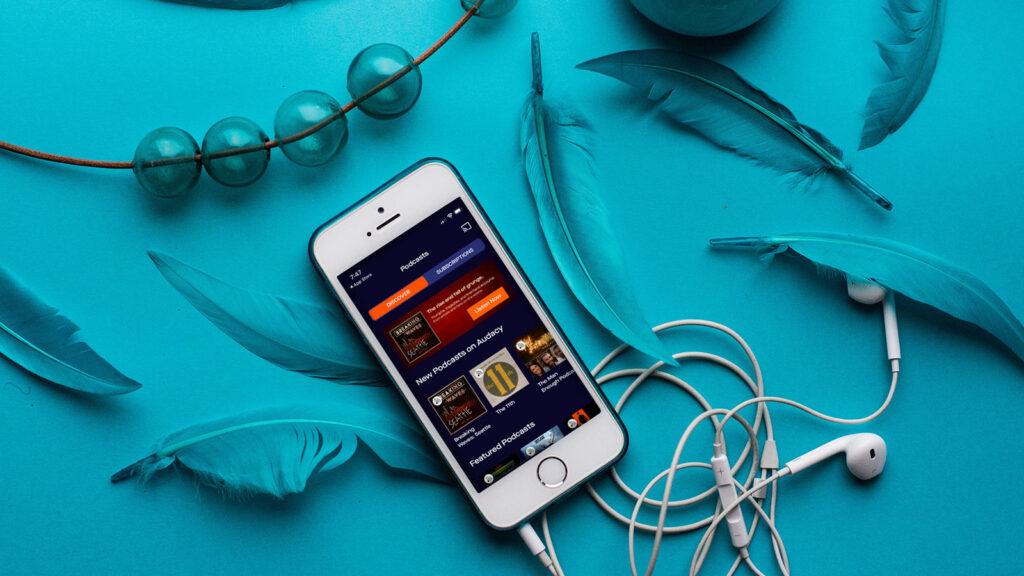
By Idil Cakim, SVP, Research & Insights at Audacy
Think of the last time you were lost in something… truly wrapped up… listened with intent… heard it and took it in. Doesn’t happen all that often anymore, right? Gulp that coffee, zoom to the next meeting, rush for errands… Who has time to enjoy the moment and pay attention?
Audio listeners do. They hear about gripping national stories, nod to local news updates, play that last game minute by minute, get life advice and comic relief from their favorite podcast hosts, and listen to the classics. Immersing themselves in audio is a deep experience. And it is far more than a personal playlist.
Audacy quantified immersion with our groundbreaking Audio Amplification: Engaged Impressions study in 2020. We showed marketers how audio moves and mobilizes audiences. Measuring immersion in audiences’ natural settings and analyzing deep brain activity, we delved into eight media types across five formats. And audio — including broadcast OTA, streaming OTA, and podcasts — reigned as the most immersive, far above TV and social media.
Today marketers have nearly endless choices, but audience time and attention are tight. People are moving away from many traditional sources, and they’re tired of their screens.
The simple reason? Trust. People trust audio (69%) more than any other media, including TV (64%), Google search (60%), print (57%), and digital pureplays (44%) such as Spotify and Pandora. Local and podcast hosts deliver content audiences love and crave. Seven in 10 U.S. media consumers say they choose to listen to audio because they trust the host — whether they hear the latest about their city from someone who ‘get’ their experience, or learn about a new product from a friendly podcast host who always did her research.
And our research showed that immersion is highly accurate in predicting sales. This authentic relationship between hosts and audiences compels listeners to take actions in their communities, visit branded web sites, walk into a store, and complete purchases.
Today marketers have nearly endless choices, but audience time and attention are tight. People are moving away from many traditional sources, and they’re tired of their screens. Post-pandemic, they are reprioritizing, choosing to do what matters most to them. Audio is the one medium that can be present in all of these moments, making time even more valuable and memorable. It’s personal, and so much more.
Audio is your hometown, with its sports and news. Audio is the new artist that you discover and tell your friends about. Audio is the podcast you savor late at night, when all goes quiet and you finally have time for yourself. It heightens emotions and deepens experiences. It is dedicated attention. It drives actions. And that’s how immersion works.
Source: Audio Amplification, Engaged Impressions Study, Alter Agents, August – September 2020.
You May Also Like
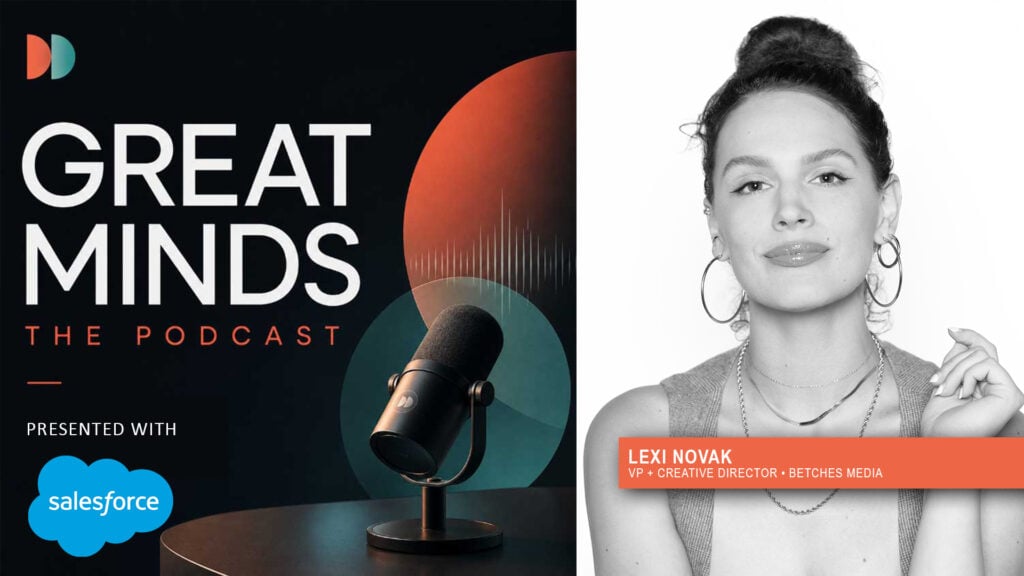
Lexi Novak of Betches Media on Why Audience Connection Beats Content Creation
What does it take to build a media brand that audiences genuinely connect with, and what can marketers learn from a company that has made humor, honesty, and cultural relevance its calling cards?
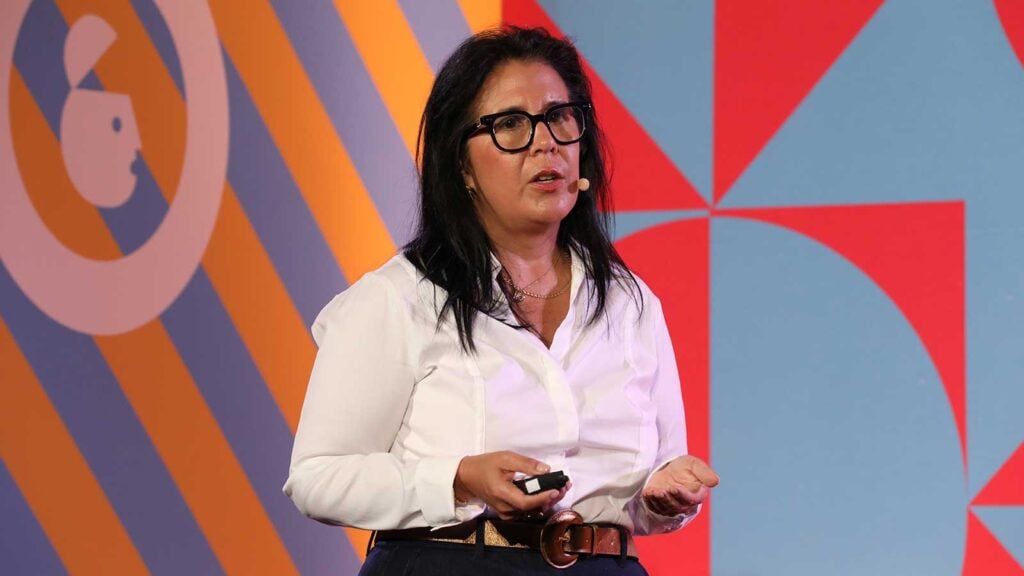
The Privacy Payoff: What 11,000 Consumers Want Marketers to Know
At Advertising Week New York 2026, Usercentrics’ Maureen Prado argued that clearer explanations and greater consumer control can help brands build the trust needed to sustain customer relationships.
The Best Agency-Client Relationships Are Built in the Trenches
When was the last time your in-house team handed you a Don Draper holy $#!* moment?