




Porsche Looks Good. Monzo Feels Better: Rethinking Digital Luxury

By Nathaniel Giraitis, Design Strategy Principal at Futurice
Luxury feels great in the physical world: imagine the weight of a Montblanc pen or the precision of a Patek Philippe watch. Yet too many “luxury” digital experiences look premium but act pedestrian.
In a recent analysis of car companion apps from the world’s top automakers, luxury brands like Porsche, Land Rover and Jaguar scored the lowest in user reviews. By contrast, mainstream digital services such as Asos or Monzo continue to win acclaim for their cutting-edge features and ease of use.
The truth is, many luxury brands struggle to create digital experiences that successfully convey their quality of experience: that desirability which goes hand-in-hand with luxury retail service and physical products.
The opportunity is there. Digital platforms are gaining share in the sector, and a younger cohort of aspirational buyers is on the rise. Even so, less than 50% of luxury shoppers are satisfied with their digital journeys, amid a pronounced lag in technical and UX delivery.
Here are five essential dimensions of digital luxury to help designers and CMOs of premium brands move beyond surface polish to craft digital experiences that honour the brand’s heritage, close the innovation gap, and leave a profound, lasting impression.
Prestige through digital rarity
Prestige is a core feature of luxury brands, whether that’s a sought-after Hermès handbag or a covetable Cartier watch. Similarly, brands have the opportunity to cultivate a sense of digital rarity to echo this exclusive appeal.
This could mean crafting an exclusive digital space, such as the recent Rimowa x Vitra toolbox drop; a limited-edition design collectable that launched via early access on the Vitra online store. Or it may involve a digital loyalty programme like Balmain’s NFT projects, which offer blockchain-backed VIP access to special perks and elevated partnerships.
The Rolls-Royce Whispers app is another example of how to cultivate digital prestige. Available on an invite-only basis, the private digital platform features a carefully selected feed of rare, exclusive products and tailored experiences, enabling members to connect with a “select circle” of other Rolls-Royce owners.
Craft and attention to digital detail
Luxury products are synonymous with world-class craftsmanship; and their digital companions must be equally refined. This means every online touchpoint – apps, portals, websites – should deliver elevated experiences with flawless execution.
Consider how high end sports cars brands differentiate themselves. Engineers spend thousands of hours perfecting the distinctive feel of the brand’s door closure. Is it heavy and robust like a rich bank vault? Or is it assistive and effortless, like an invisible butler? This obsession with the detail of user interactions (UI) and micro-interactions should feature in the digital space as well. When should a simple ‘click’ feel more robust? Are you crafting subtle animations and haptics? These small digital touches are the fine hand-stitching of your digital product – and should be obsessed over.
Sublime storytelling
Consumers are drawn to luxury brands not just for the aesthetics and quality, but how they relate personally to the brand story, history and values.
Digital platforms offer a unique opportunity to convey these narratives, enabling customers to connect to the brand via the art of storytelling. Inside Chanel, for example, invites guests to engage with the story of Coco Chanel and various iconic products, as told by a series of short, elegant digital films. The website for cult skincare label Aesop features an online journal complete with poetic filmography and essays on ritual; highlighting a reverence that reaches well beyond individual products.
Immersion that transports
To bring alive the emotional allure of luxury, digital designers should also focus on building multi-sensory and immersive experiences that engage all the senses. Fashion house Gucci has collaborated with Apple Vision Pro to usher viewers into a series of exquisite 3D worlds, filled with pristine vignettes – from an opulent Florentine villa to live runway shows. Headset users can admire Gucci products from every perspective, or move between virtual and real-world elements.
Not to be outdone, Christie’s Select is the first spatial computing app to let collectors access rare artworks from anywhere, examining them at a level of ultra-high resolution previously only available from the auction house floor. These fully immersive, multi-sensory experiences engage beyond your standard flat web experience, and allow customers to “touch the brand” in ways never before possible.
Service as intuitive excellence
Service is the final dimension of digital luxury. This step is all about anticipating rather than reacting to user needs, providing curated choices which maintain the power of choice – all presented with a tone of voice appropriate to the brand.
Luxury fashion platform MyTheresa, for instance, offers its VIP members a premium service that comprises specialised recommendations on “wishlist” items, and personalised advice on sizing and styling. Guests feel valued with premium, personalised touches, such as invite-only personal shoppers. Likewise, department store Selfridges has a virtual concierge to source exclusive pieces and one-off event bookings for VIP clients (e.g. a skate session in the window of the London flagship location).
These perks see “service” reinvented as a crucial dimension of digital luxury. They empower the principal shopper and exceed expectations – an approach that can be super-changed with the dawn of AI-led personalisation.
The world of digital luxury is underserved right now; but it’s also full of potential. Research shows that luxury retailers who can nail customer experience will reap the highest levels of revenue. By considering these five dimensions, they will leverage digital to make online guests feel as enthralled and cared for as they would do in a real-life setting of luxury.
You May Also Like
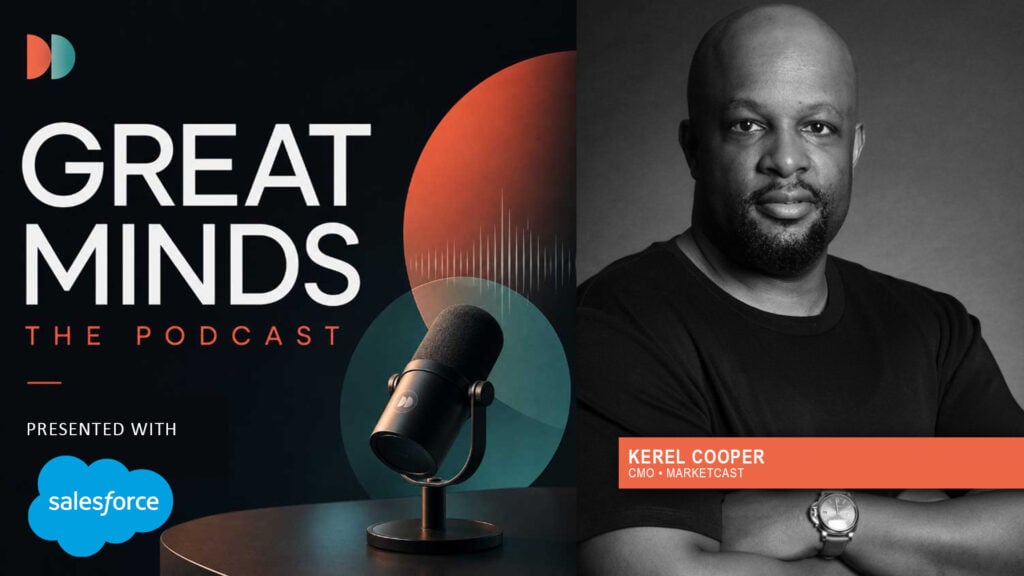
What the Dashboard Can’t Tell You About People Featuring Kerel Cooper of MarketCast
Joining us is Kerel Cooper, Chief Marketing Officer at MarketCast. Kerel shares why he believes marketers can learn from the strongest consumer brands and how human judgment should guide the use of AI in creative work.
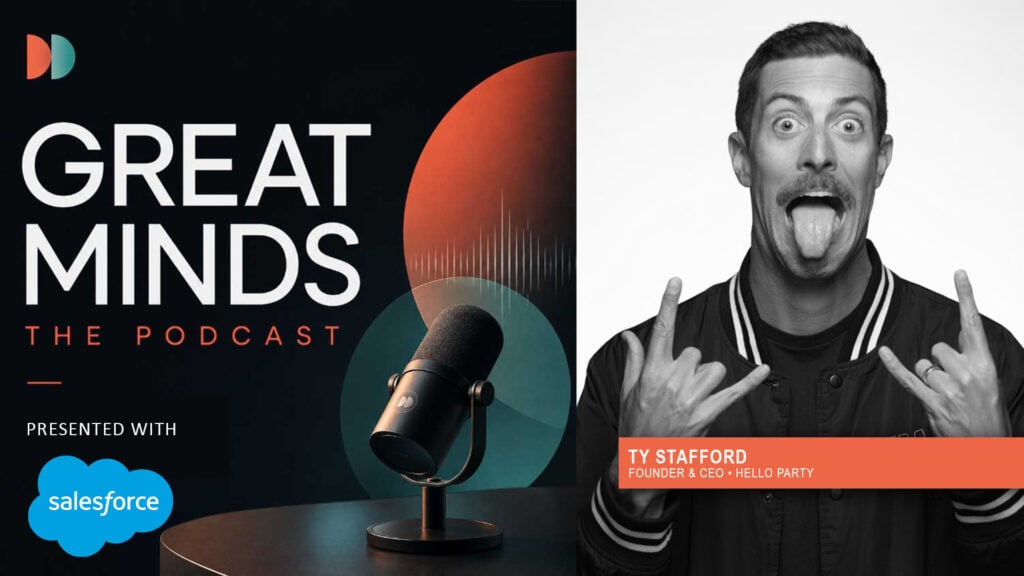
Would You Share It If You Didn’t Work Here? Featuring Ty Stafford of Hello Party
Joining us is Ty Stafford, Founder and CEO of Hello Party, whose experience spans making YouTube videos in his dorm room and working at Red Bull Media House.

From the Conference Floor to the Boardroom: How Kindle Scribe Is Changing the Way Executives Capture Ideas
At Advertising Week New York 2026, Amazon’s Kindle Scribe offers a glimpse into how business leaders are combining the familiarity of handwritten notes with the convenience of digital technology to make the most of an increasingly demanding professional world.