

Technology vs. Relationships in Local Media Sales

By Tom Cheli, CEO of Frequence
The media business has long been based on relationships. That’s especially true in the case of local, legacy media companies and the longstanding relationships they maintain with their advertisers and communities.
Once upon a time, local advertisers had to rely on their own instincts for marketing, whether printing flyers or hiring a sandwich-board-spinner. Somewhat more sophisticated advertisers with more money – vehicle dealerships, for example – could afford to employ specialist agencies to put together ads of varying sophistication to air across local TV, print and radio.
If you’re reading this, you can probably remember the names and jingles from a few local car dealers and personal injury attorneys that saturated the local market airwaves where you grew up. Those ad campaigns, with all their quirks, were often based on longstanding relationships of mutual appreciation between local business executives and their account rep from the local newspaper, TV or radio station.
That’s no longer the case. The modern car dealership that wants to be successful needs to appear not just on local TV, but in the Instagram feeds of local new parents who are in-market as well as the web browsers of all households within a certain income range and proximity.
The typical local business is ill-equipped to handle the complexity of modern, digital advertising. In many cases, their best option is to employ a local agency to handle their creative and media strategy. Agencies, in turn, need to develop or acquire software and tools that will allow them to best provide value for their clients.
That question of how to best provide media value to local businesses takes on a new significance in the current context of a post-pandemic economic recovery. We’re very likely at the start of an unprecedented economic boom. Storefronts all over America are opening back up with hiring notices in the window. Remote work has given many the flexibility to reconsider their living arrangements, and realtors, movers, cleaners, decorators, contractors and home builders are having trouble keeping up with demand.
While many have suffered economic disruption during the pandemic, generous government benefits have kept many afloat, and enforced quarantine has meant that many white-collar workers have savings piled up after 15 months of scant discretionary spending. For the businesses poised to capitalize, it’s hard to overstate the potential opportunity of the current moment.
For those in media and advertising, it’s time to think about how you’re going to capitalize. Legacy media and advertising businesses need to leverage both sides of the equation – existing relationships and tech-enabled performance – to maximize both value for clients and revenue for their businesses. Business owners venturing back after a prolonged shutdown will need both trusted advisors and innovative technology solutions.
For smart marketers, the opportunity exists to flourish by connecting with consumers who are experiencing a new world with new eyes. People are reconsidering everything in their lives, from their work and home to their greatest aspirations. If you can meet them in this moment, powerful connections await.
You May Also Like

A Creator Brief Should Make the Next Decision Easier
A creator campaign brief should tell a team what it needs to learn before it spends the next part of its budget. That sounds straightforward. Yet a list of videos, posting dates and preferred formats can leave the most consequential question unanswered: what decision will this work help us make?

The Sameness Trap — Why the Brands Breaking Their Category’s Unwritten Rules Will Outshine the Rest This Season
Seasonal advertising tends to converge on the same safe, predictable formula within each category, so brands that follow it blend into the noise they’re paying to cut through.
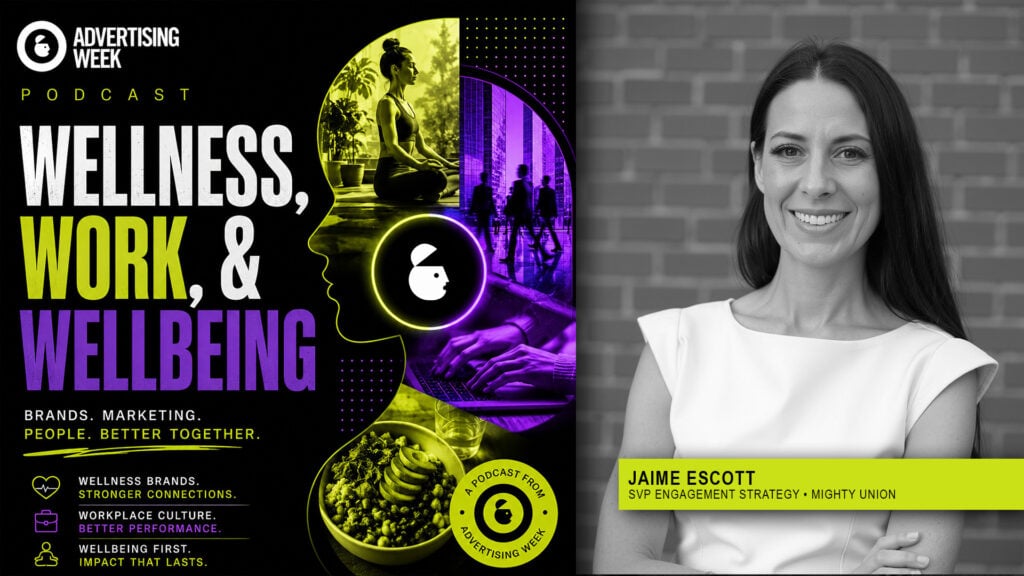
Healthcare Websites Need to Start Thinking Like Their Patients, Featuring Jaime Lyons of Mighty Union
In this episode of Wellness, Work & Wellbeing, we’re joined by Jaime Lyons, SVP of Engagement Strategy at Mighty Union, to discuss why hospital websites need to evolve beyond traditional marketing platforms.