





The Big Reason Brands Should Be on Walmart.com That No One’s Talking About
By Jennifer Brand, Senior Director, Emerging and Strategic Platforms, Netrush
When making the case for brands selling on Walmart.com, most experts focus on the financial reasons: Walmart has favorable demographics. It has surpassed eBay to become the second-largest marketplace. And today, it accounts for 6% of all online sales.
Of course, the owner of a high-end brand would likely find these arguments unconvincing. Walmart may be a terrific channel for some brands, but it has an extremely valuable reputation that isn’t a good association for others.
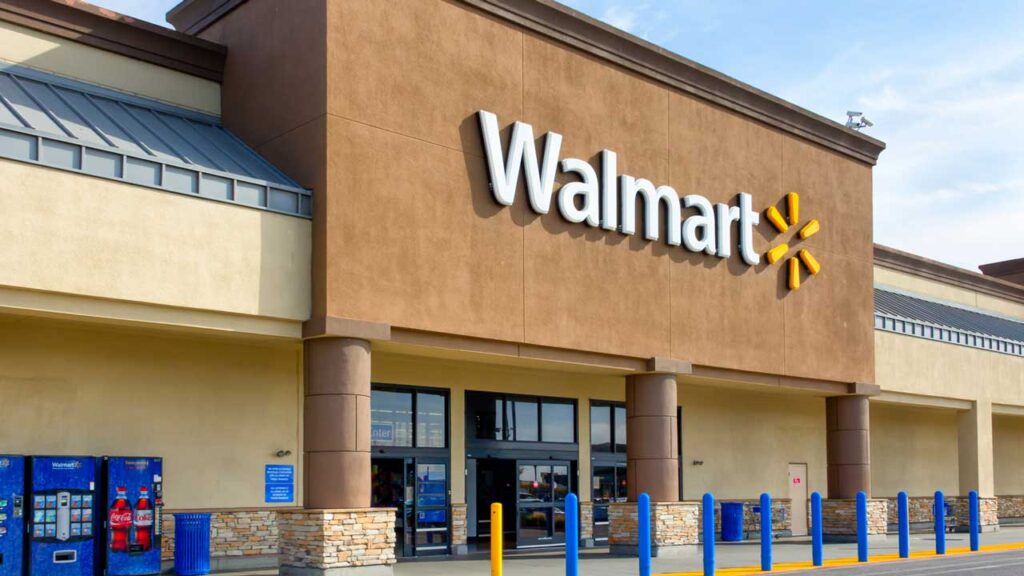
While it might seem strange to advise a brand like Chanel to start hawking its products at Walmart, that ignores a significant issue and confuses the brick-and-mortar version of the company with something quite different. Walmart.com is not a value e-commerce platform, it is a marketplace for any brand.
Just about anyone can pretty much sell anything on Walmart.com (so long as it’s legal). And they don’t have to restrict themselves to lower-end goods. Let’s take Chanel as an example. As I’m writing, I can buy a bottle of its Chanel No5 fragrance on Walmart.com for $116.80 with free two-day shipping. It comes courtesy not of Chanel, but of a company called Skin Perfect Cosmetics. The name is perhaps an attempt to confuse the audience with a real brand, SkinPerfect, which is an Ohio-based company that offers a line of aesthetic products through its own website.
It gets worse. An outfit called Mega Shopper Worldwide is currently offering a 3.4-ounce spray bottle of Chanel No5 for $202.50 and no free shipping. This would likely be a surprise to Chanel, which offers the same bottle on its own, direct-to-consumer website for a mere $138 with complimentary FedEx shipping.
I don’t mean to pick on Walmart.com. You can find this situation — experts in the field call it “gray market” selling — on nearly every marketplace from eBay to Amazon. What’s happening is that opportunistic sellers are operating in a Wild West environment, often obtaining products in bulk and either reselling them below market value or, as in the case of Mega Shopper, trying to deceive customers into paying a substantial markup for products that are available directly from the brand for less.
Walmart.com is particularly prone to this because, in my experience, high-end brands seem to have a special level of resistance when it comes to engaging with the platform.
They need to rethink this. Companies today have spent countless dollars trying to transform themselves to become more customer-centric. The idea is to support customers through every step of the purchasing journey and ensure that their experience with a brand is always positive. Meanwhile, on these marketplaces, those same customers are encountering sellers who are at best less expensive but at worst highly deceptive and frankly dangerous and damaging to brands.
I wish there were a magic wand I could wave to make the situation go away. But the simple fact is that brands — no matter who they are and what their positioning is — need to look at something like Walmart.com for what it is, not what they think it is. It is not an online version of a big-box retailer. It is a robust e-commerce channel that needs to be taken seriously.
A good first step would be to establish an organic presence for your products on the platform before others do the same. At the very least, that will drive out the price-gougers of the world. It’s a bit trickier to get rid of the gray marketers who are undercutting your normal retail pricing, and one with a growing cottage industry around it. The task involves everything from shoring up your channels, reforming sales practices, tracking products to identify leakage, and even taking legal action against those who are not authorized to sell your products.
The good news is that establishing a presence on Walmart.com does not require a huge investment, and by doing so, you can help prevent the erosion of your brand’s experience and preserve its value.
Today, Walmart.com has a brand association problem that is at odds with its true nature. It’s critical to realize how different the online marketplace is from its bricks-and-mortar counterpart and to plan your strategy accordingly. Whether you like it or not, your brand is being sold on Walmart.com — and it’s probably better for consumers to get your products from you rather than someone else.
You May Also Like

Lexi Novak of Betches Media on Why Audience Connection Beats Content Creation
What does it take to build a media brand that audiences genuinely connect with, and what can marketers learn from a company that has made humor, honesty, and cultural relevance its calling cards?

The Privacy Payoff: What 11,000 Consumers Want Marketers to Know
At Advertising Week New York 2026, Usercentrics’ Maureen Prado argued that clearer explanations and greater consumer control can help brands build the trust needed to sustain customer relationships.

The Best Agency-Client Relationships Are Built in the Trenches
When was the last time your in-house team handed you a Don Draper holy $#!* moment?