




The Business of Joy: Four Cultural Shifts Brands Can’t Ignore
By Kristen Jackman, SVP, Westfield Rise
As consumers navigate increasingly digitally saturated lives, one truth has become impossible to ignore: people are actively seeking moments that make them feel something.
Across industries, we’re seeing a growing desire for experiences that evoke joy, curiosity, comfort, and connection. What may appear to be separate trends, from adults collecting toys to the resurgence of retro brands, are actually connected by a larger cultural movement: consumers are searching for meaningful forms of escapism.
For marketers, this shift presents an important opportunity. The brands earning attention today aren’t simply communicating messages; they’re creating worlds, moments, and experiences people want to step into. Four trends in particular are shaping this new landscape.
Kidulting: The Mainstreaming of Play
Play is no longer confined to childhood.
Adults are increasingly embracing the products, hobbies, and experiences that once belonged primarily to younger audiences. LEGO’s adult-focused product lines, designer collaborations with Hello Kitty and Pokémon, and the explosive collectible culture fueled by brands like Pop Mart all point to the same phenomenon: consumers are seeking emotional release through playful experiences.
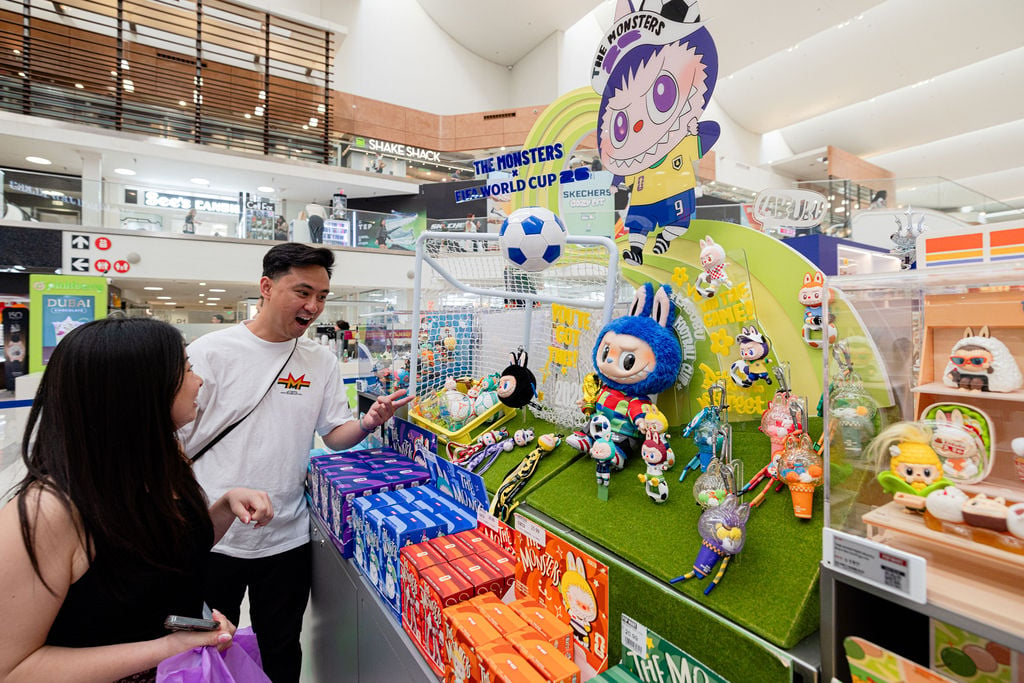
What’s particularly noteworthy is that this behavior is no longer niche. Millennials and Gen Z now possess both the purchasing power and cultural influence to make playful consumption a significant economic force. The rise of “kidulting” has helped transform collectibles into a major cultural category, with brands finding success at the intersection of fandom, self-expression, and community.
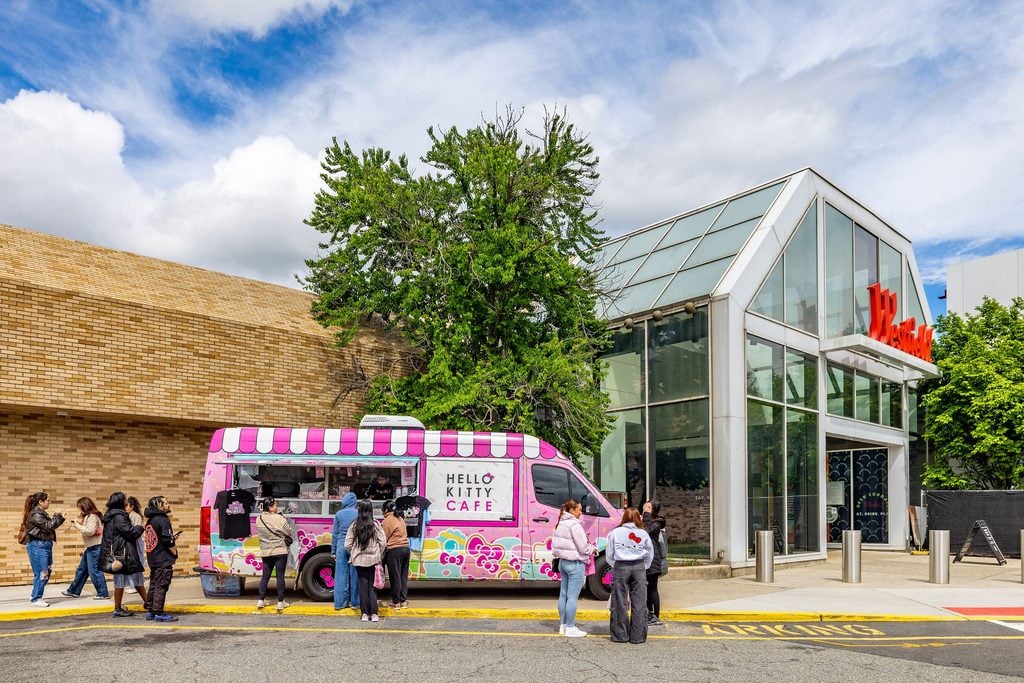
We’ve seen this firsthand through experiences like Pop Mart’s FIFA collaboration at Westfield, where collectible culture collided with one of the world’s most beloved sporting events. Similarly, the enduring popularity of the Hello Kitty Café Truck roadshow, which toured Westfield Culver City, Garden State Plaza, Galleria at Roseville and Southcenter, demonstrates how nostalgic characters can transcend generations, attracting devoted adult fans alongside younger audiences. These experiences aren’t simply retail moments; they’re opportunities for participation, discovery, and belonging.
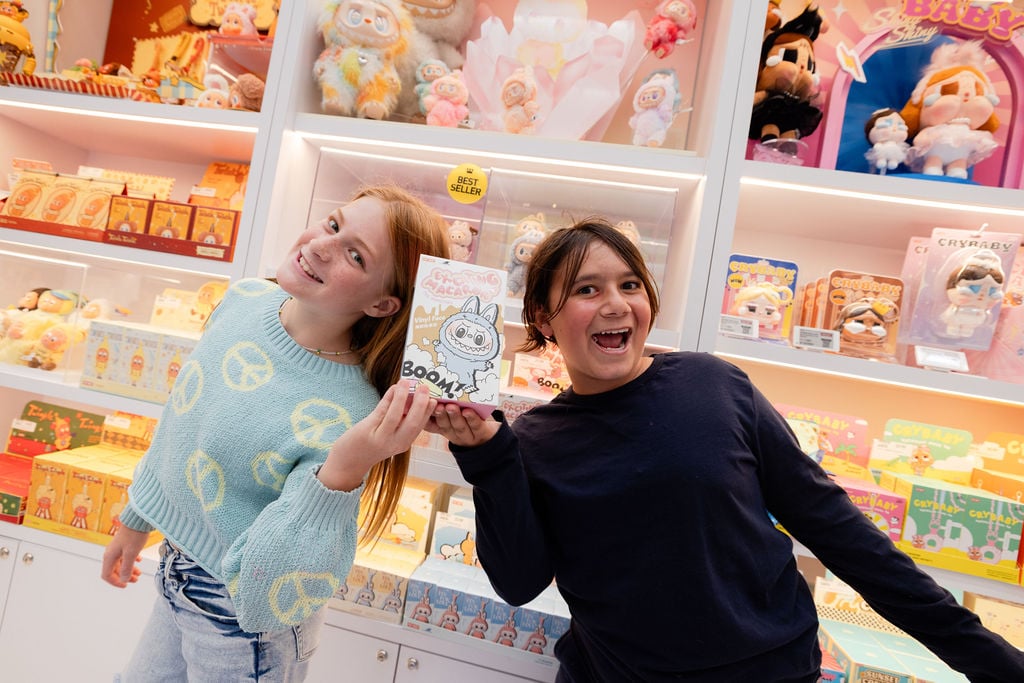
As a result, experiential activations are increasingly borrowing from the mechanics of play, incorporating collectibles, gamification, customization, and hands-on engagement. The most successful experiences don’t ask consumers to watch. They invite them to join.
Nostalgia: Comfort Reimagined
If kidulting is about reconnecting with childhood joy, nostalgia is about reconnecting with cultural memory.
From Y2K fashion and retro gaming to the relaunch of iconic products and childhood franchises, brands are tapping into familiar touchpoints that offer comfort in a rapidly changing world. The resurgence of flip phones, film cameras, and early-2000s fashion signals a broader desire to revisit simpler cultural moments, while brands such as Taco Bell have successfully revived 1990s and 2000s-inspired menu offerings to appeal to consumers seeking familiar comforts.
What’s driving the trend is not sentimentality alone. Nostalgia creates instant emotional shorthand. A familiar character, visual cue, product, or experience can communicate far more quickly and deeply than traditional advertising.
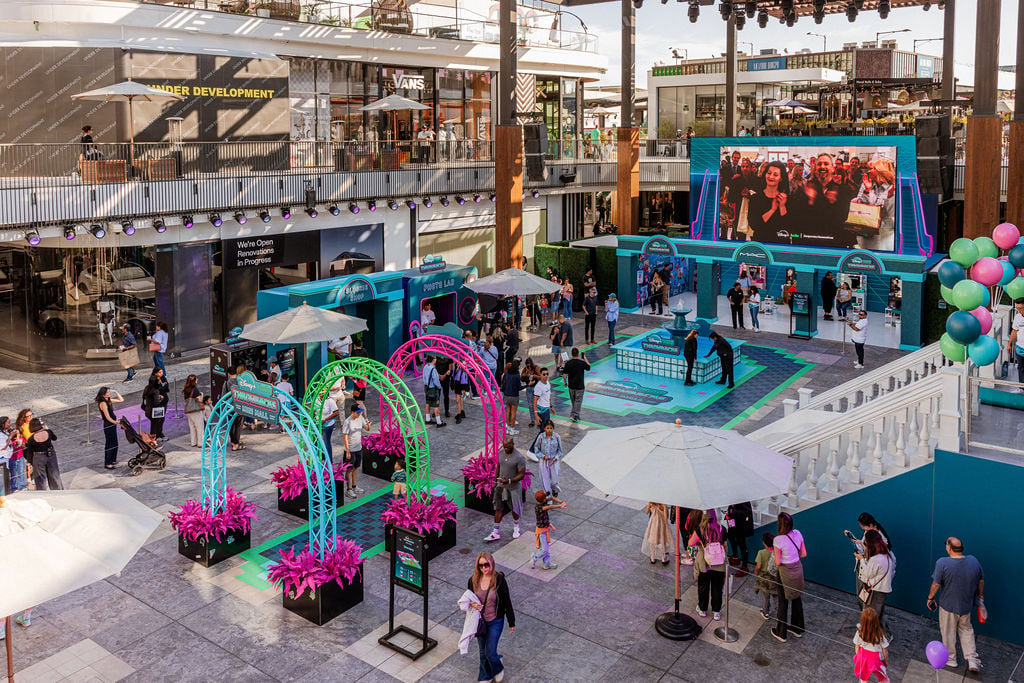
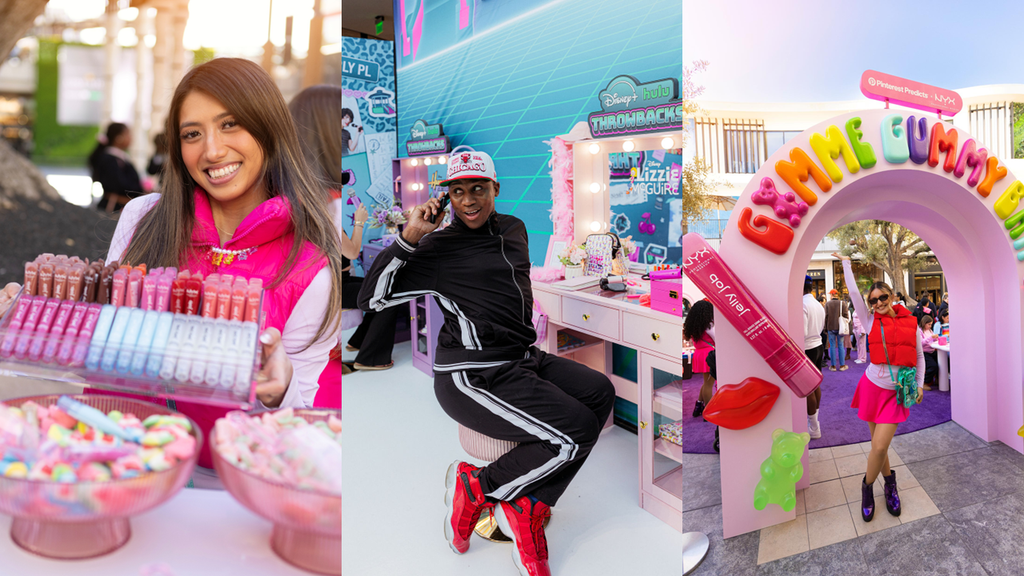
We’re seeing this dynamic play out across culture. Disney continues to activate beloved franchises decades after their debut, while brands revisit iconic aesthetics and products for entirely new generations. At Westfield, experiences like Disney+ Throwbacks transformed beloved content into immersive, shareable environments, while a Toy Story 5 activation recreated the feeling of stepping back into childhood through a life-sized bedroom experience. More than 30 years after the original film, audiences weren’t simply revisiting Toy Story. They were reliving the emotions attached to it.
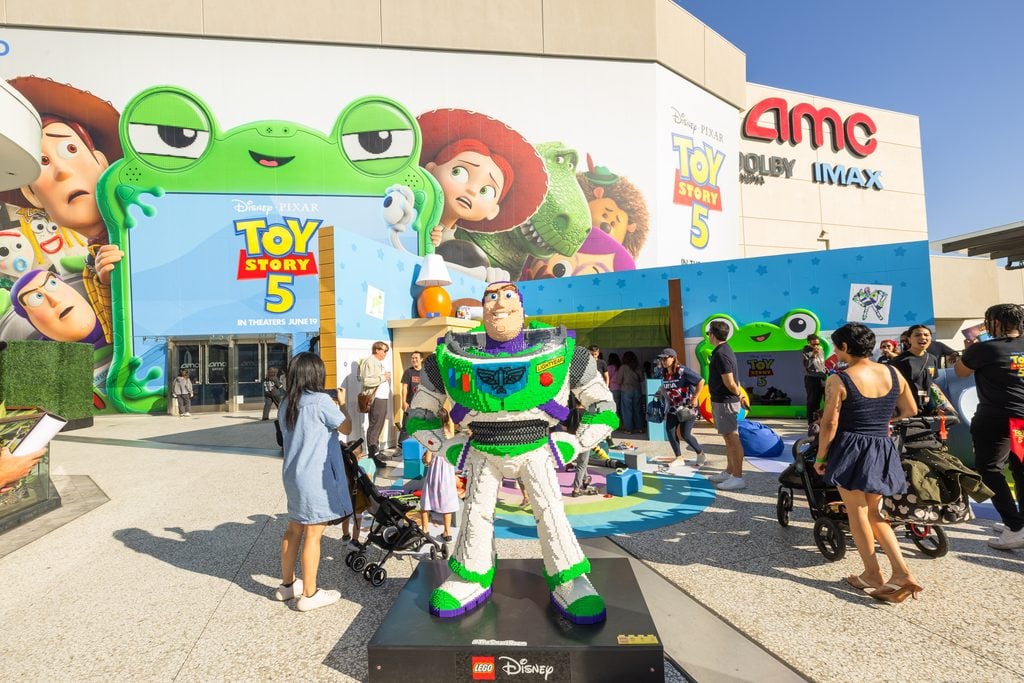
The brands finding the greatest success are not recreating the past verbatim. Instead, they’re modernizing beloved cultural icons for contemporary audiences, blending familiarity with freshness. In doing so, they transform nostalgia from a retrospective exercise into a platform for innovation.
Whimsy: The Power of Joy & Surprise
For years, marketers focused on efficiency and optimization. Consumers, meanwhile, have become increasingly hungry for something less predictable.
Whimsy, once considered a creative indulgence, has become a strategic advantage.
Research consistently shows that people crave discovery, surprise, and experiences that break them out of their routines. In a marketplace dominated by algorithms that increasingly serve consumers more of what they already know, unexpected moments feel refreshing and memorable.
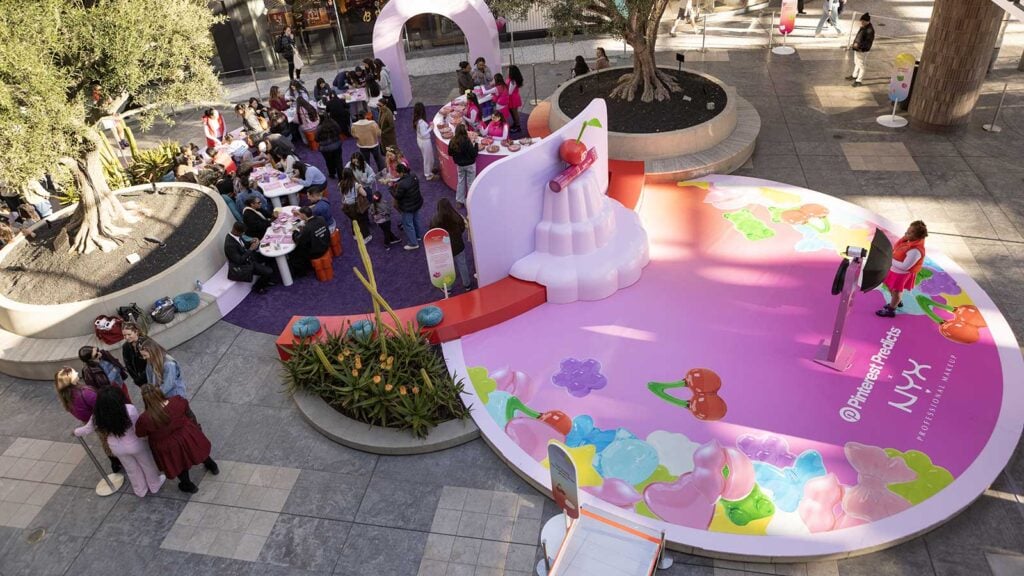
We’re seeing this manifest through bejeweled everything, oversized brand installations, surreal visual storytelling, immersive environments, and unexpected collaborations. Etsy’s first-ever festival activation, created with experiential agency Daisy Chain, is one example of how brands are leaning into highly imaginative environments that prioritize delight over direct selling. Likewise, Pinterest’s pop-up experience with NYX at Westfield Century City transformed beauty discovery into a more playful, immersive experience, allowing consumers to engage with the brand in ways that felt experiential rather than transactional.
At Westfield, we’ve seen similar success with immersive technologies designed to create surprise and delight. A Camp Rock-themed experience powered by Snapchat AR lenses invited visitors to jump directly into a beloved cultural moment, transforming passive spectators into active participants. The most memorable brand experiences today don’t simply entertain; they create moments consumers can’t wait to share.
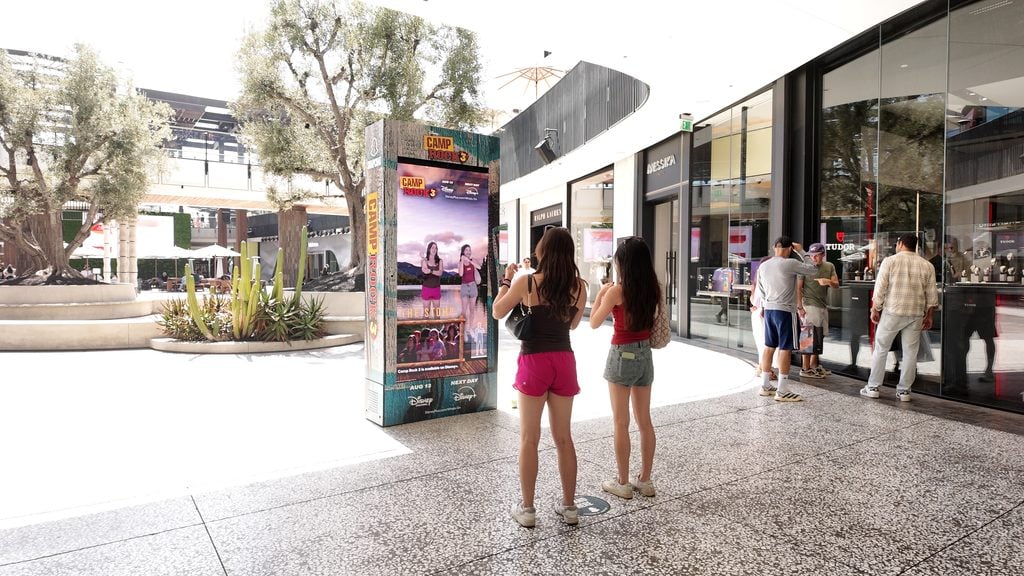
Importantly, whimsy isn’t about randomness. It’s about creating emotional resonance through joy and surprise. The experiences consumers remember most are often the ones they never saw coming.
Real-World Connection: The Return of Shared Experiences
Perhaps the most significant shift underpinning all of these trends is the growing value consumers place on in-person connection.
Despite spending much of their lives online, younger audiences are actively seeking spaces where they can gather, explore, create, and share experiences together. Research continues to point to consumers’ desire for authentic, real-world engagement and environments that foster community rather than passive consumption.
This isn’t a rejection of digital culture. Rather, it’s an evolution of it.
Consumers still discover trends online, but they’re increasingly looking for opportunities to experience them offline. A viral moment becomes more valuable when it can be shared with friends. A fandom becomes more meaningful when it exists in the physical world. Digital content inspires connection; physical experiences bring it to life.
The resurgence of pop-up culture reflects this shift. Whether it’s Delia’s bringing its iconic Y2K brand back to life through physical retail experiences, fans queuing for the Hello Kitty Café Truck, or visitors stepping into immersive entertainment worlds inspired by beloved franchises, consumers are demonstrating a growing desire to move from scrolling to participation.
This dynamic has fundamentally changed the role of experiential marketing. The strongest campaigns today create opportunities for participation, belonging, and cultural engagement, transforming audiences from viewers into active participants.
What This All Means For Your Brand
Kidulting. Nostalgia. Whimsy. Real-world connection.
While each trend appears distinct, they all stem from the same underlying desire: people are seeking experiences that feel more human. In an increasingly automated and algorithm-driven world, we are gravitating toward brands that evoke emotion, inspire discovery, and create moments worth sharing.
The future of brand experience will not be defined by reach alone, but by resonance.
The brands that win won’t simply tell stories. They’ll create spaces for people to play, remember, wonder, and connect.
And in today’s attention economy, those experiences have become the most valuable currency of all.
You May Also Like
The Entertainment Evolution: What Today’s Audiences Want Next
In this special session, presented by Xbox, we explore the changing expectations of today’s audiences, the growing influence of fandom and what the next generation of entertainment experiences means for brands.

How Much Do You Not Know About Your Customers? 3 Ways to Close the Gap
Your analytics capture everything customers do and almost nothing about why. Here is how to bridge the two using data you already own.

The ‘Answer Era’ Blind Spot: Why AI Visibility Is Not the Same as Influence
The goal isn’t simply to improve an AI visibility score, but to understand what information is shaping the customer journey and what influence can reasonably be attributed to it.