The Danger of Over-Polished Ideas: Why Great Creative Needs Room to Breathe

By Ben Golding, Senior Creative at Transmission
The quickest way to suffocate a creative idea is through going too far, too soon. With AI able to bring a tremendous level of polish in an instant, it’s easier than ever for agencies to rush to the finish line, in an attempt to give clients an idea they can buy on the spot.
As budgets are squeezed and timeframes shortened, it’s certainly the easy way out. But we should all be wary of any idea that vaults over tried and tested creative processes that allow ideas to percolate and evolve into a more meaningful outcome. The quicker something is produced, the less it’s been tested or explored to ensure it truly aligns with a brand’s goals.
It’s part of the agency’s job to take the client on the journey, not to pander to expectations of immediacy. Doing so will make you a better, more strategic partner and ultimately deliver better work.
Over-polished ideas limit imagination
When people see a finished-looking execution, they stop imagining possibilities. Clients become attached to the details rather than the strategic thinking behind them. The conversation shifts from exploring ideas to approving or rejecting a specific output.
Then comes the execution gap. Even though the work has naturally evolved through production, testing and design development, that AI-generated, polished idea becomes real and expected. And who can blame them? If you look at a website for a luxury hotel, then get there and the room is smaller than you thought, even if the room is beautiful and better for your needs, you can’t shake the disappointment of what you could have had.
The more finished something looks, the harder it becomes for stakeholders to accept necessary change later. You need to keep communication open to develop work that’s less supposedly flawless and better suited to their objectives.
Subscribe to sketch-led thinking
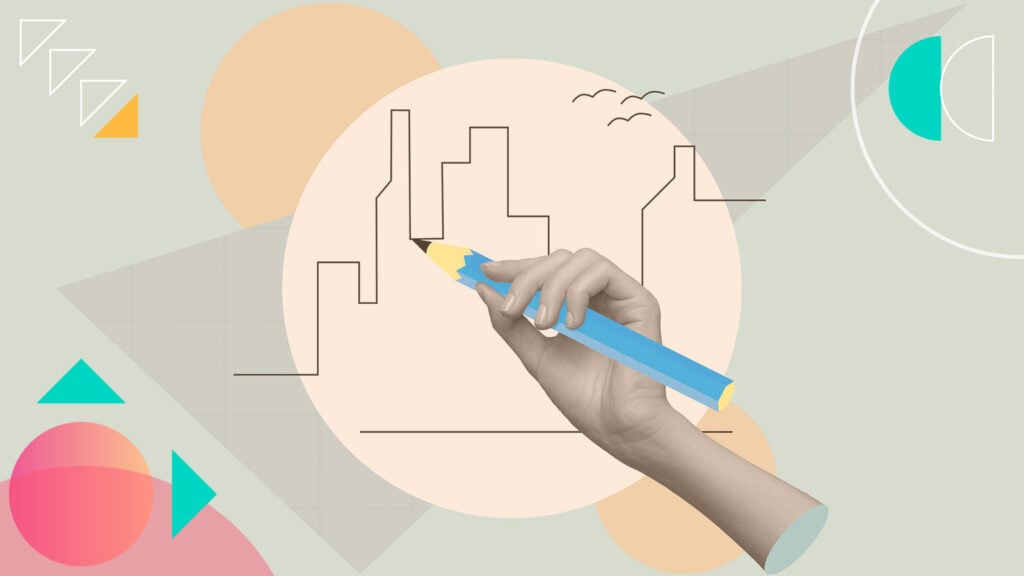
Sketch-led thinking is one way around this as it allows you to show your ideas in a deliberately unfinished way to allow for flexibility.
It might seem risky, but if you’ve interrogated the brief properly and done your research, what you’ll show the client is a deep understanding of the brand, while opening the discussion to develop and strengthen the idea.
You are not experts on the brand, the client is. Use them. Your idea should be rough enough to invite conversation, yet clear enough to inspire confidence.
Sketches, wireframes, and loose creative territories signal that development is still underway and shifts the focus away from cosmetic details. That’s a strength, not a weakness.
Trust the process
Like agencies, clients are under a lot of pressure. They are facing greater competition and demand for results, all against a tighter timeline.
But trusting the process doesn’t mean moving slowly. It means thinking about the right solution to the brief. With a few clicks, we can produce very shiny mock-ups, but this shouldn’t be treated as the final product. Great creative takes exploration, which takes longer than a few clicks, and often prevents costly mistakes in the long term.
Then there’s the AI element. There’s no need to entirely abandon AI in favour of pencil and paper (though I love pencil and paper), as it offers huge benefits in a time-poor industry. But it should be used to stress-test and explore our ideas, not as a factory setting to create the final work.
Results always speak for themselves, and ideas that have been properly forged will always perform better, winning over clients and audiences alike.
Remove the danger with robust ideas
Great creative partnerships blossom when agencies and clients collaborate closely, sharing ideas and building them together. An idea that seems unfinished isn’t necessarily lacking, it just has potential to grow and improve through the creative journey.
Remember, diamonds are made under pressure, and the best ideas often emerge through overcoming challenges. Stand firm and demonstrate to your clients that when an idea goes through the creative process, it becomes even stronger and more refined.
When technology can make every idea look finished from day one, the real competitive advantage may be knowing when not to finish it too soon.
You May Also Like
The Power of the Transaction
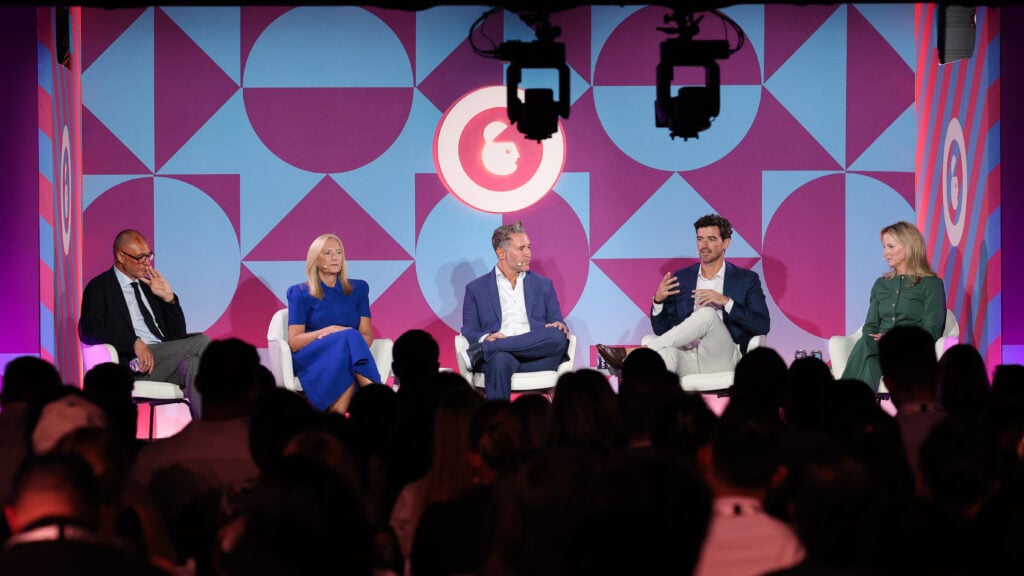
A click can suggest interest, but a transaction shows where someone chose to spend. In our Advertising Week New York session, “The Power of the Transaction,” the leaders behind Citi Commerce Media discussed how purchasing data can help brands identify audiences, deliver relevant offers and assess what happens after an advertisement.

How to Find Authentic Experts in a World of Ai-Generated Content
As AI-generated content floods the internet, how do we know who’s actually an expert anymore? Why businesses need better ways to distinguish genuine human expertise from AI-generated noise.
Brands Can Scale Creator Content Without Sacrificing Authenticity
With platforms and technology providers promising easier discovery, faster campaign setup, and more efficient distribution, creator marketing is starting to look more like the rest of digital advertising. For brands managing a growing number of creator relationships and assets, the appeal is obvious. But it also raises a reasonable concern.