




The Death of the Big Audience

By Katy Arnold, Content Lead, Tug
As audiences fragment beyond Google search, brands will need to move beyond reach and build relevance where influence is already happening. The beginning of the year saw how many brands were still focused on the challenge of declining organic reach and increasing competition for attention across major social platforms. Six months on, one shift is becoming increasingly clear: the future of social performance won’t be built around reaching everyone. It will be built around understanding the right communities.
Broad, sales-led content is becoming harder to scale. Algorithmic feeds increasingly reward content that creates genuine interaction, while audiences are spending more time in smaller, interest-led spaces where conversations feel more personal and trustworthy. Micro-communities are set to become a bigger driver of brand discovery, consideration and advocacy over the coming months. These communities are where audiences share recommendations, validate decisions and influence each other, often before they ever interact with a brand directly. The numbers point to a changing landscape. According to GWI, 76% of internet users say online communities help them connect with people who share their interests. In China, where many digital behaviours emerge early, brands investing in knowledge-sharing communities have seen stronger marketing effectiveness, demonstrating the commercial value of participation over interruption.
Platforms such as Xiaohongshu demonstrate how community-led discovery can reshape search and purchasing behaviour at scale. Unlike traditional search engines, where consumers typically look for direct answers or brand information, users often search through experiences, reviews and recommendations shared by people with similar interests or needs. This behaviour is increasingly visible in Western markets too, where platforms such as Reddit, Discord, TikTok and specialist forums originally built for conversation and connection rather than commerce are increasingly used by consumers to research products and validate decisions. And it’s not just purpose-built community-fostering platforms like Reddit and Discord that are changing the landscape. Today’s micro communities are also emerging organically across platforms like Instagram, LinkedIn and other social channels. UK trades are one clear example, with electricians, plumbers and builders forming splinter groups of professionals from across the country. They exchange advice, review tools, recommend products and champion the brands they trust. And the trend extends far beyond the trades. Running clubs, cold-water swimming groups, campervan enthusiasts, first-time renovators, sourdough bakers, menopausal women, neurodivergent professionals, plant-based families, side-hustle entrepreneurs and local parenting networks are all creating highly engaged micro communities centred on shared interests, life stages or identities. These trusted corners of the internet are increasingly where opinions are formed, recommendations are made and brand advocacy takes hold in a meaningful way.
The opportunity is growing across sectors:
Technology: Developers, founders, AI enthusiasts and specialist communities on platforms such as Reddit, Discord, GitHub and LinkedIn are shaping product adoption and brand credibility.
Finance: Communities focused on investing, personal finance, crypto, fintech and financial education are becoming important spaces for building trust and simplifying complex products.
Entertainment: Fandom communities across Reddit, Discord, TikTok and YouTube are influencing discovery, conversation and cultural relevance long before major campaigns launch. Fashion and
Lifestyle: Niche communities on TikTok, Instagram, Pinterest and creator-led spaces are driving trends, product discovery and purchase decisions.
The opportunity for brands is to stop treating communities as simply another media channel and start viewing them as a source of insight, influence and demand creation.
That means identifying where the conversations that matter are already happening, understanding the people driving them, and letting those insights shape stronger creative, media and performance strategies. It means engaging with the people shaping these niche communities in ways that build credibility and spark authentic conversation, rather than looking to insert a brand message into them. Done well, this is how audience intelligence, creator relationships and measurement start to work together, turning authentic engagement into growth that can actually be tracked. As competition increases in the months ahead, the brands that understand their communities will have an advantage, because relevance is becoming the new route to reach.
The future of social performance will not belong to the brands with the biggest followings but to those that understand the people, places and conversations that matter most.
You May Also Like
The Power of the Transaction
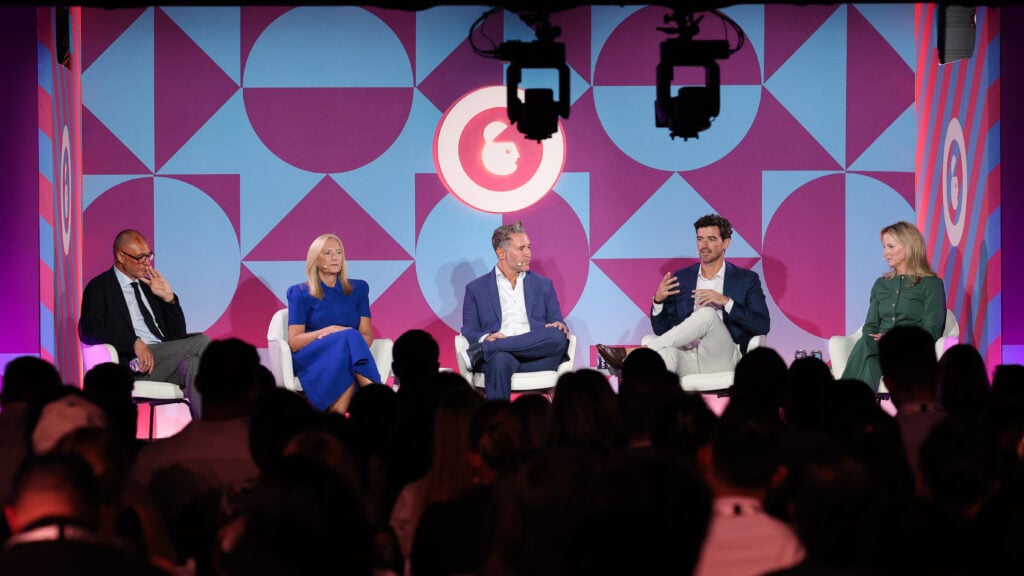
A click can suggest interest, but a transaction shows where someone chose to spend. In our Advertising Week New York session, “The Power of the Transaction,” the leaders behind Citi Commerce Media discussed how purchasing data can help brands identify audiences, deliver relevant offers and assess what happens after an advertisement.

How to Find Authentic Experts in a World of Ai-Generated Content
As AI-generated content floods the internet, how do we know who’s actually an expert anymore? Why businesses need better ways to distinguish genuine human expertise from AI-generated noise.
Brands Can Scale Creator Content Without Sacrificing Authenticity
With platforms and technology providers promising easier discovery, faster campaign setup, and more efficient distribution, creator marketing is starting to look more like the rest of digital advertising. For brands managing a growing number of creator relationships and assets, the appeal is obvious. But it also raises a reasonable concern.