




The Entertainment Revolution: Why Brands Need to Think Beyond the Screen
By Alison Miller, Advertising Week Contributor
As gaming, streaming and social media reshape how audiences experience entertainment, marketers face a fundamental challenge: Learning to participate in culture rather than simply advertise alongside it.
The entertainment industry is undergoing a transformation that extends far beyond the growing number of platforms competing for consumer attention. Audiences are changing how they discover content, interact with their favorite properties and connect with communities, creating a more fragmented but potentially more valuable landscape for brands seeking meaningful engagement.
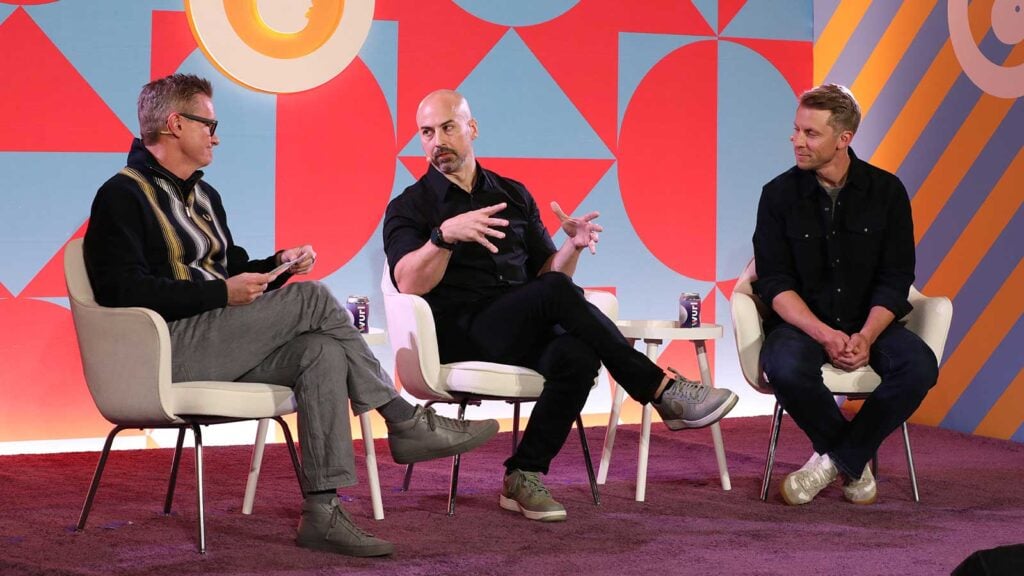
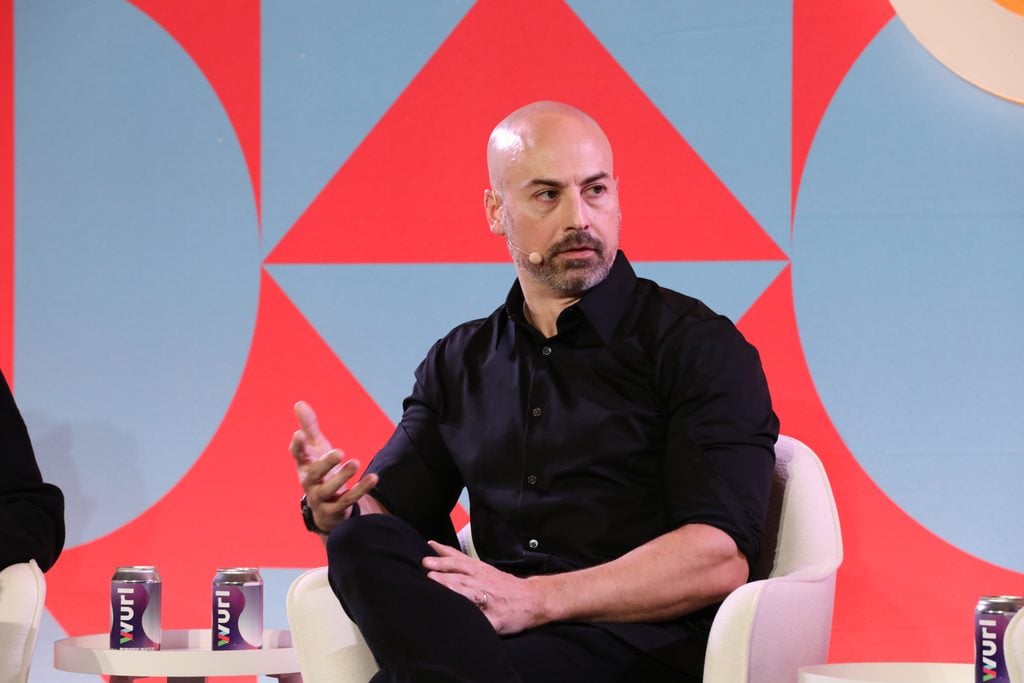
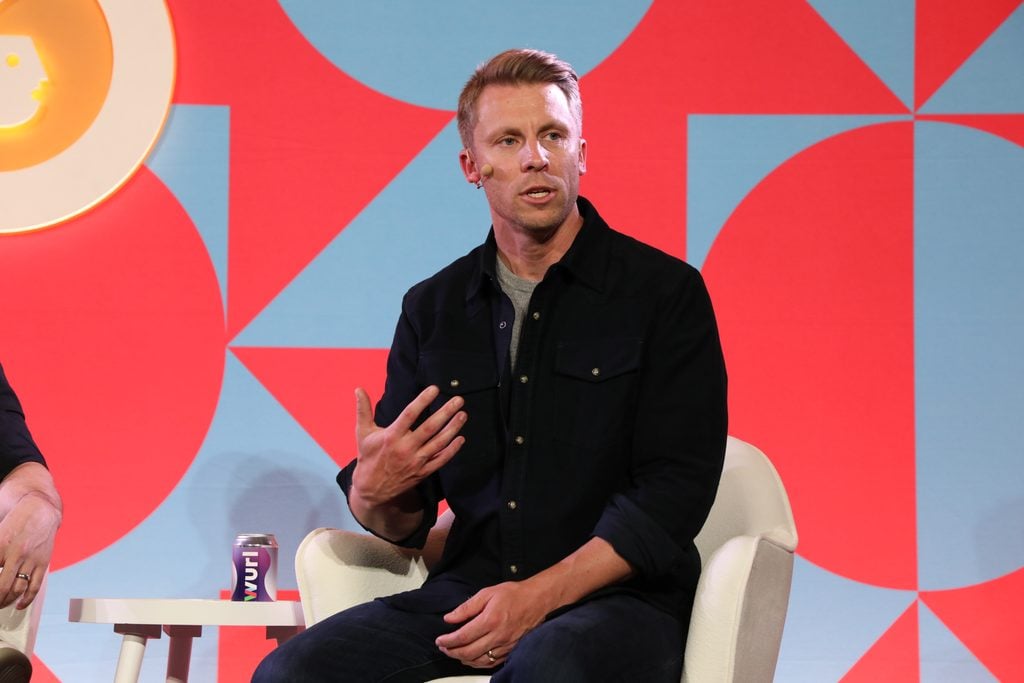
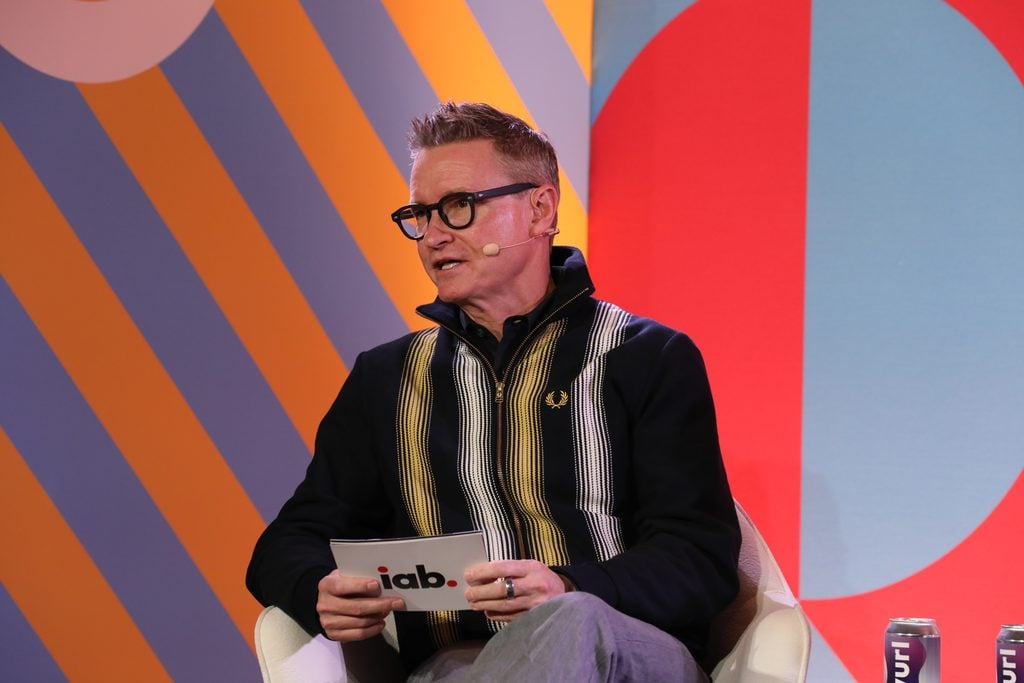
At Advertising Week New York 2026, the Xbox-presented session, “The Entertainment Evolution: What Today’s Audiences Want Next,” put these changes at the center of a broader conversation about consumer behavior, fandom and the future of brand partnerships. The discussion’s central premise was that traditional approaches to reaching entertainment audiences must evolve alongside the experiences those audiences increasingly expect.
Entertainment Is No Longer a Passive Experience
For decades, the relationship between entertainment companies and their audiences was relatively straightforward. Content was created, distributed and consumed, with advertising largely operating alongside that experience rather than becoming part of it.
That model has become increasingly complicated as gaming, streaming services, social platforms and digital communities blur the distinction between entertainment and participation. Consumers now move between experiences, discover new content through creators and online communities, and increasingly expect opportunities to engage with the entertainment they enjoy.
For marketers, this shift challenges the assumption that reaching an audience is equivalent to connecting with it. Traditional measures of exposure remain useful, but they reveal relatively little about the relationships people develop with entertainment properties or the communities surrounding them.
The Growing Influence of Fandom
One of the most consequential developments in modern entertainment is the increasing importance of fandom as a driver of consumer behavior. Fans are not simply consuming content; they are building communities, shaping conversations and extending the cultural influence of entertainment properties well beyond their original formats.
Gaming provides a particularly relevant example of this evolution because participation, community and identity have long been fundamental elements of the experience. The relationships players develop with games, franchises and fellow players demonstrate how entertainment can become a sustained cultural connection rather than a temporary interaction.
This presents a significant opportunity for advertisers, provided they understand the distinction between appearing within an entertainment environment and contributing something meaningful to it. Brands seeking relevance within passionate communities must recognize that authenticity and audience expectations matter at least as much as visibility.
Brand Partnerships Must Deliver Value
As entertainment ecosystems become more interconnected, brands have opportunities to develop partnerships that extend beyond conventional advertising placements. Experiences, collaborations and integrations can create more meaningful connections when they complement the entertainment itself.
The challenge is identifying where a brand genuinely belongs and what it can contribute to an audience already invested in a particular experience. Partnerships that feel intrusive or disconnected from the surrounding culture risk undermining the very engagement they are intended to generate.
For marketing organizations accustomed to planning around individual media channels, this requires a different approach to strategy. Understanding audience interests, community dynamics and cultural context becomes essential to determining where and how brands should participate.
What Comes Next for Marketers
The evolution of entertainment reflects a broader change in the relationship between brands and consumers. Audiences increasingly shape their own experiences, influence the content they discover and determine which commercial messages deserve their attention.
For advertisers, the opportunity is not simply to follow consumers across an expanding collection of entertainment platforms. It is to understand the communities, behaviors and expectations that make those environments valuable in the first place.
The future of entertainment marketing will depend less on interrupting an audience’s experience and more on finding a credible place within it.
Sarah Merians Photography for Advertising Week
You May Also Like
More Than the Game: Earning a Place in the Fan Conversation
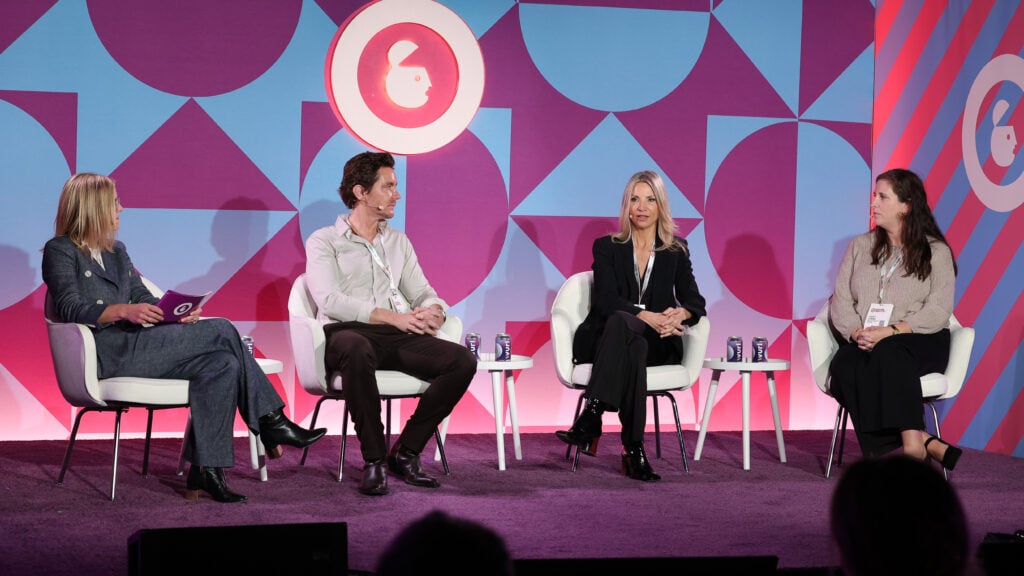
Ann Piper, Head of Sales for the Americas at Spotify, moderated the discussion with Angela Steele, Chief Client Officer, U.S. at WPP Media; Wes Harris, Director of Marketing for YouTube TV at Google; and Juliet Litman, Director of Talent and Operations at Spotify Podcast Studios.

Traditional Attribution and Promo Codes Share the Same Blind Spot
Traditional attribution and promo codes share the same blind spot.
The Next Era of Financial Media Networks
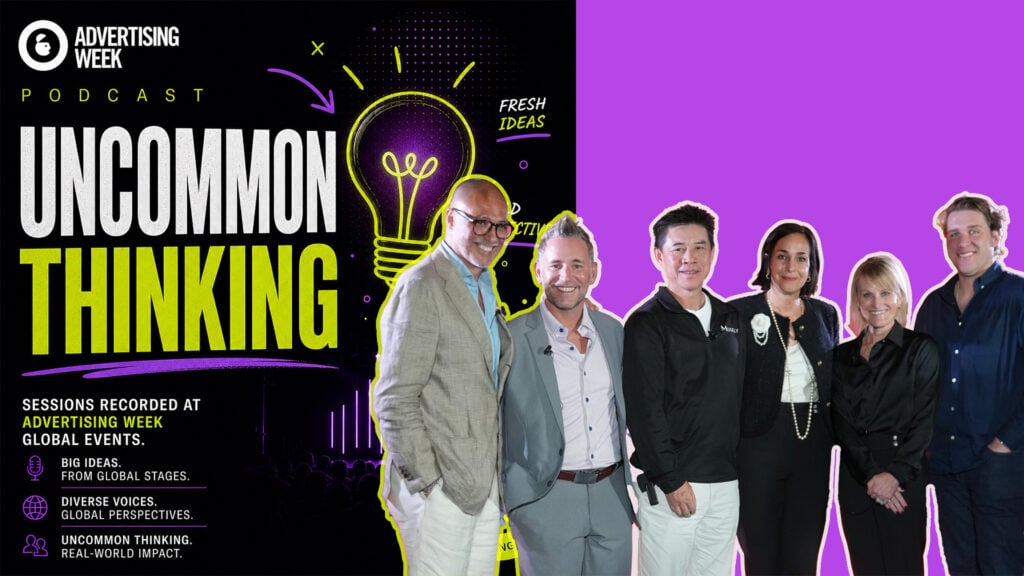
On this panel presented by Citi Commerce Media, Quentin George, Distinguished Partner at McKinsey & Company, joins Jeff Chwast, General Manager of Citi Commerce Media; Jack Jia, Founder and CEO of Musely; Maryam Paez, Head of Marketing & Loyalty at Paze; Jennifer Philo, Global Vice President, Digital Commerce and Partnerships at Blackhawk Network; and Joe Groter, Vice President of Commerce Partnerships at Publicis Media to discuss what financial media networks must deliver for advertisers. The conversation examines how transaction insights, relevant offers and payment capabilities can work together to serve customers.