




The Latest AI Divide Isn’t About Technology
By Mario Diez, CEO, Peer39
Many companies spent the last two years trying to answer the same set of questions about AI: Which tools should we use? Which models are best? Should we build something ourselves, or partner with someone else? How quickly can we get employees using it?
Those questions made sense, particularly given how much of a challenge AI adoption then was. But now that most organizations have rolled out tools, started to establish policies and integrate AI into everyday work, the key question is, ‘What happens now that our people have access?’
Our company has spent a good portion of this year rolling out internal AI tools. What I’ve found myself paying attention to is the way people respond once they start using it and how the informational silos that once existed need to adapt. And that’s where I think a meaningful divide is beginning to emerge.
AI adoption is no longer the challenge
Most organizations have already made their choice about whether to invest in AI. The technology is here, the go-to vendors are largely established, and employees have access.
The issues are increasingly operational. How much freedom should employees have? How much experimentation should organizations encourage? What happens when someone discovers a use case leadership never anticipated? How do you balance exploration with governance?
Those questions won’t generate headlines, which tend to concentrate on how AI may impact the number of available jobs. But they may end up determining which organizations create the most value from AI in the next few years to come.
What happens after people get access
I’ve noticed internally that the AI adoption curve tends to be predictable.
The first reaction tends to be an expression of uncertainty. Sometimes it comes across as concern, sometimes as skepticism. People wonder whether the technology applies to their role, whether it’s worth learning, or whether the entire thing is just hype.
Every major technological advance creates discomfort. What’s surprising is how quickly that can ease. In many cases, it takes only a few weeks before people begin approaching the technology differently. Instead of asking what AI can do, they start asking what they can do with it. The conversation shifts from evaluation to experimentation.
People tend to start by automating repetitive work. Then they solve small problems that have been sitting around for months. They build workflows nobody asked them to build. They discover applications that would never have appeared on a formal roadmap.
What starts as caution often becomes curiosity. When that takes hold, things move quickly to a point of radical excitement, which can lead some team members to become so excited they lose sleep.
Where organizations are diverging
Companies have begun to make very different choices about AI.
Some organizational leaders I speak to are approaching AI primarily through standardization. Their employees get approved tools, approved workflows, and clearly defined use cases. Security, governance, and consistency drive the approach. In some cases, the tools and solutions are reserved for the product and engineering core alone.
This makes a lot of sense given the concerns that AI introduces around data, compliance, intellectual property, governance, and the like. If you’re responsible for protecting customer information or operating in a highly regulated environment, broad experimentation could be dangerous.
Other orgs are creating more room for exploration within guardrails. They encourage their employees to test ideas, compare tools, build solutions, and share what they learn with others. The assumption is that some of the most valuable discoveries will come from employees solving problems that leadership or other groups never knew existed.
Neither approach is inherently right or wrong. Yet they create very different working environments. One tends to produce consistency; the other, discovery and potentially quicker solutions to market and a more energized team. As AI capabilities continue to improve, that choice may come to matter a great deal over time. Most organizations will eventually have access to highly capable models and to employees who are fully adept at building. What won’t be distributed as evenly is an organization’s ability to adapt culturally, breaking down legacy operational silos.
The hidden impact of this divide
The implications of this divide go beyond productivity. Historically, candidates evaluated employers based on compensation, flexibility, culture, and opportunities for growth. Increasingly, I think they’ll also evaluate the way different organizations empower their employees to approach AI.
Can I experiment? Can I build? Can I use the tools I believe make me more effective? Can I connect to systems that were historically reserved for legacy organizational design? Am I encouraged to explore new ways of working, or will I be expected to stay within a narrowly defined environment?
AI access itself probably won’t determine where people choose to work. But for ambitious, curious employees, the freedom to experiment and build value may become a meaningful signal about how an organization operates.
What comes after adoption
Companies need to spend as much time thinking about employee adoption and informational access design as they do vendor selection. Most companies can buy the tools. It’s much harder to rethink who can build what, and how historical silos of information and access need to change.
In the end, the organizations that’ll get the most from AI may not necessarily be the ones with the most sophisticated strategy decks or LLM wrappers. Instead, they’ll be the ones that do the best job helping employees move past the initial uncertainty with the access and freedom needed to create and add value. In that way companies can apply to their bottom lines the radical excitement and pure creation so many are experiencing.
You May Also Like
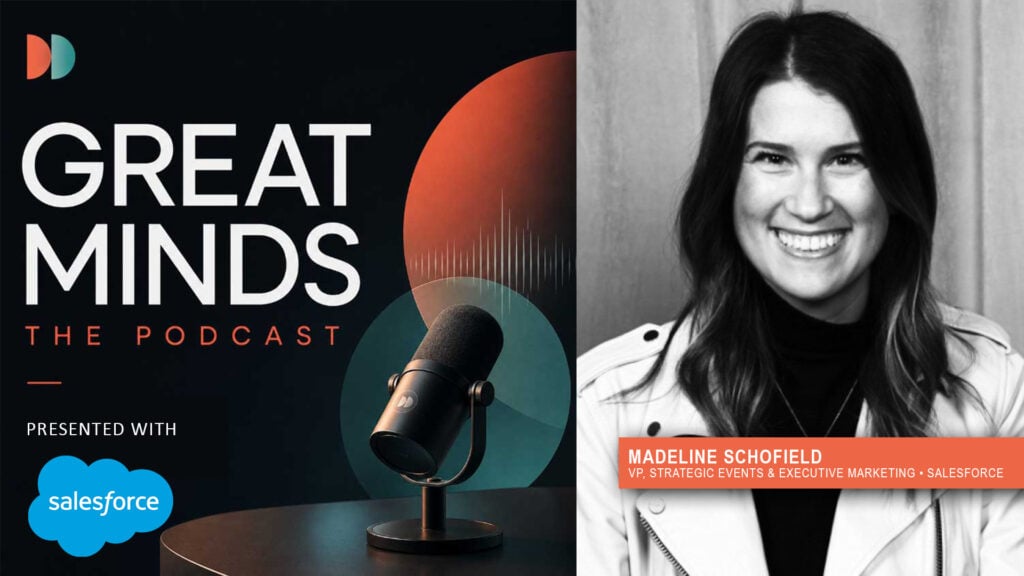
People Still Buy From People Featuring Madeline Schofield of Salesforce
Joining us is Madeline Schofield, VP, Experience Strategy and Executive Marketing at Salesforce, fresh from Dreamforce.
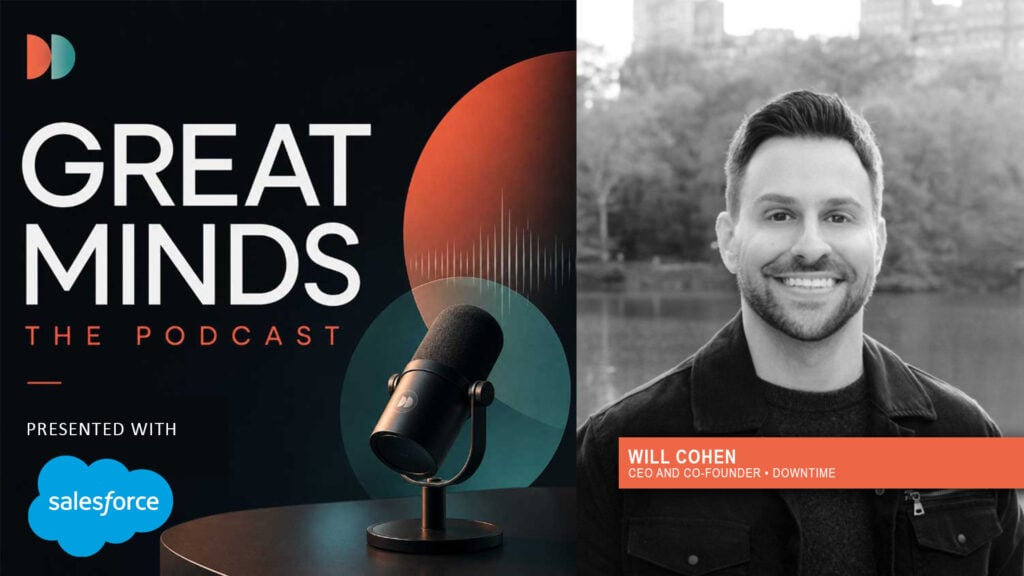
Giving Shoppers a Say Featuring Will Cohen of Downtime
Joining us is Will Cohen, CEO and Co-Founder of Downtime, whose background in retail media led him to build a business around customer participation.
Give People Something Worth Talking About with Pauline Oudin from Gradient Experience
Today, we’re joined by Pauline Oudin, CEO of Gradient Experience, an experiential agency working across luxury, spirits, beauty, and technology.