




The Power of Fandom: From Cultural Moments to Commercial Impact
By Helen Myers, Advertising Week Correspondent
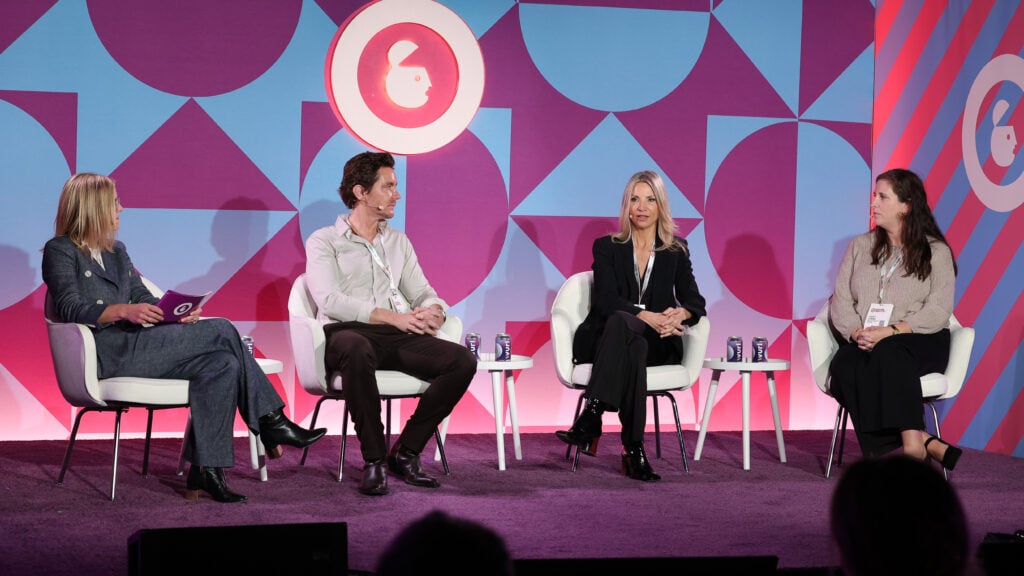
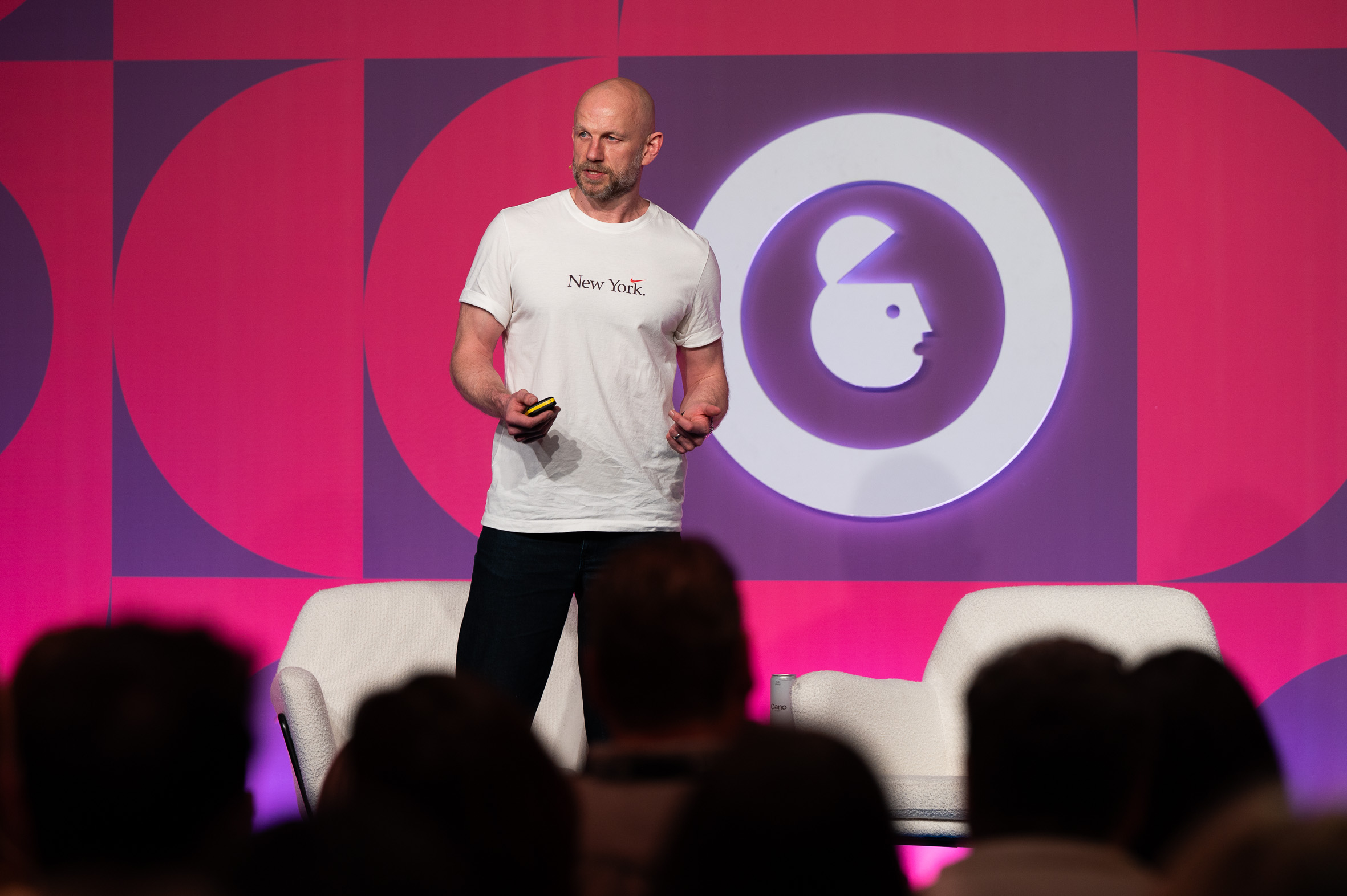
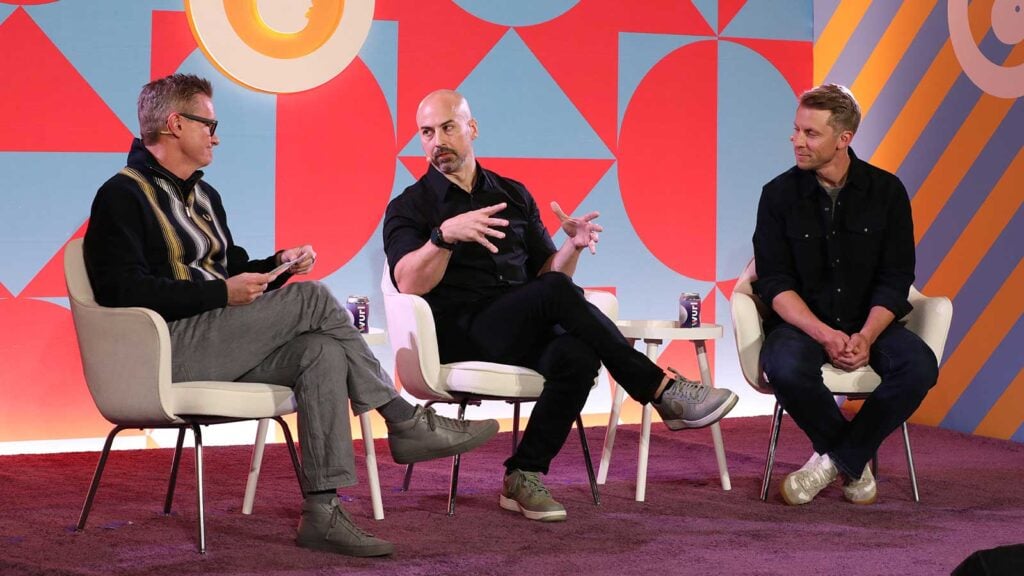
James Cornish, senior VP of international sales and partnerships at Vevo, kicked off this session with a presentation on how brands can leverage global moments across music, sport, and tech.
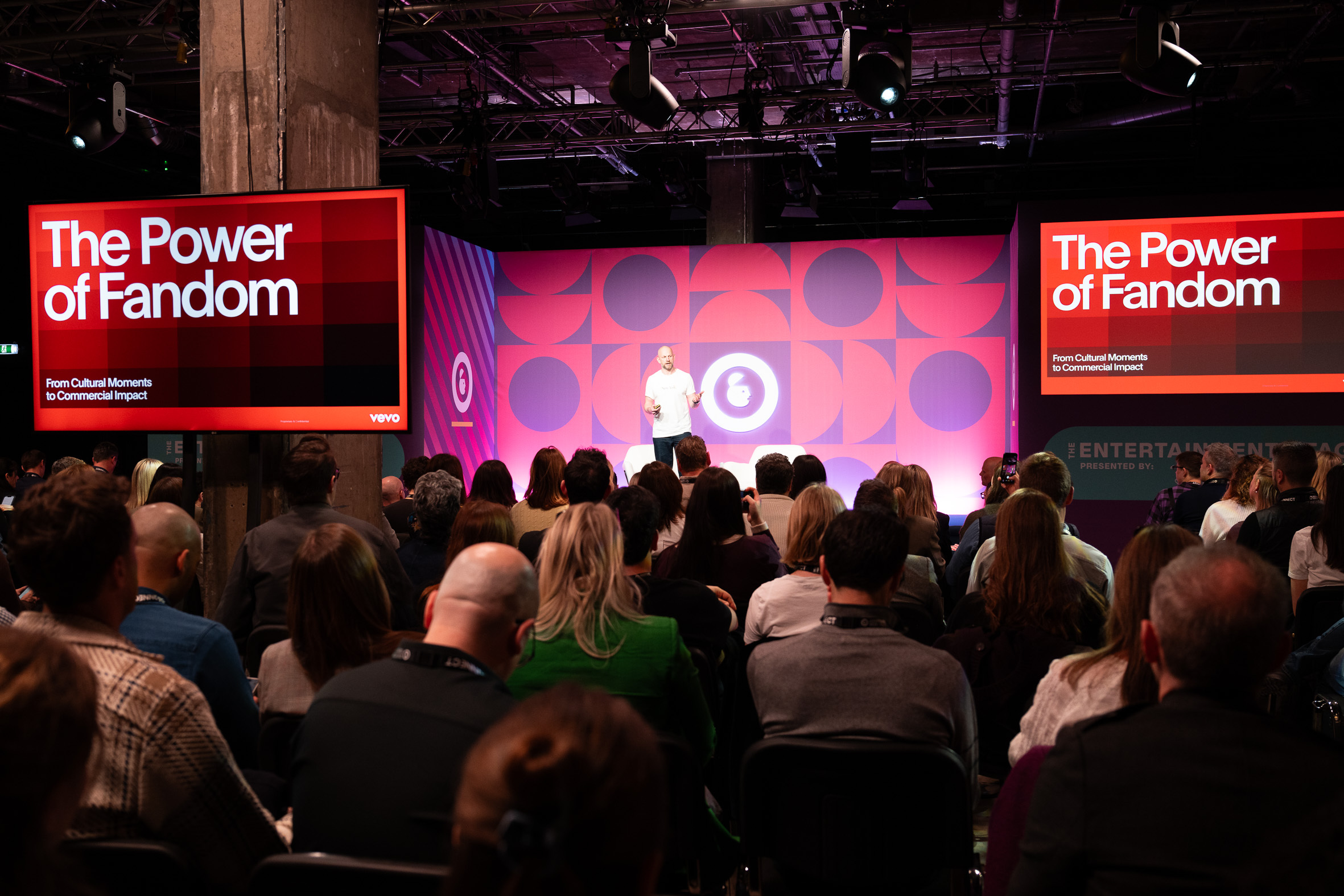
Cornish explained that culture is vast and difficult to define, but it is a form of connection at its core. “Fandom, on the other hand, is the tangible representation of culture. Fandom is how culture lives. It’s how it breathes, it’s how it behaves. Fandom makes culture real, and therefore something which we can tap into,” he said.
“Ultimately, advertising is about winning share of attention and the battle for people’s hearts and minds and I think that utilizing media that connects deeply with people, that resonates with their passions, that is uplifting and positive, ultimately gives you the best chance of being able to do that.”
According to market research conducted in the UK by Vevo, 66% of their audience says that brand support legitimizes the importance of their fandom. Along with that, a large portion of millennials say that music fandom has an influence on their purchase behavior.
“The benefits of fandoms far outweigh and extend beyond just contextual alignment,” Cornish explained. “Operating within culturally relevant and culturally rich environments simply drives ad effectiveness by default,” he said. Effectiveness leads to action. Reaching fandoms in the right way has been proven to increase consumer action following exposure to fandom-targeted campaigns.
Cornish then invited Ben Brown, media director at Allwyn, to offer his perspective on leveraging cultural moments.
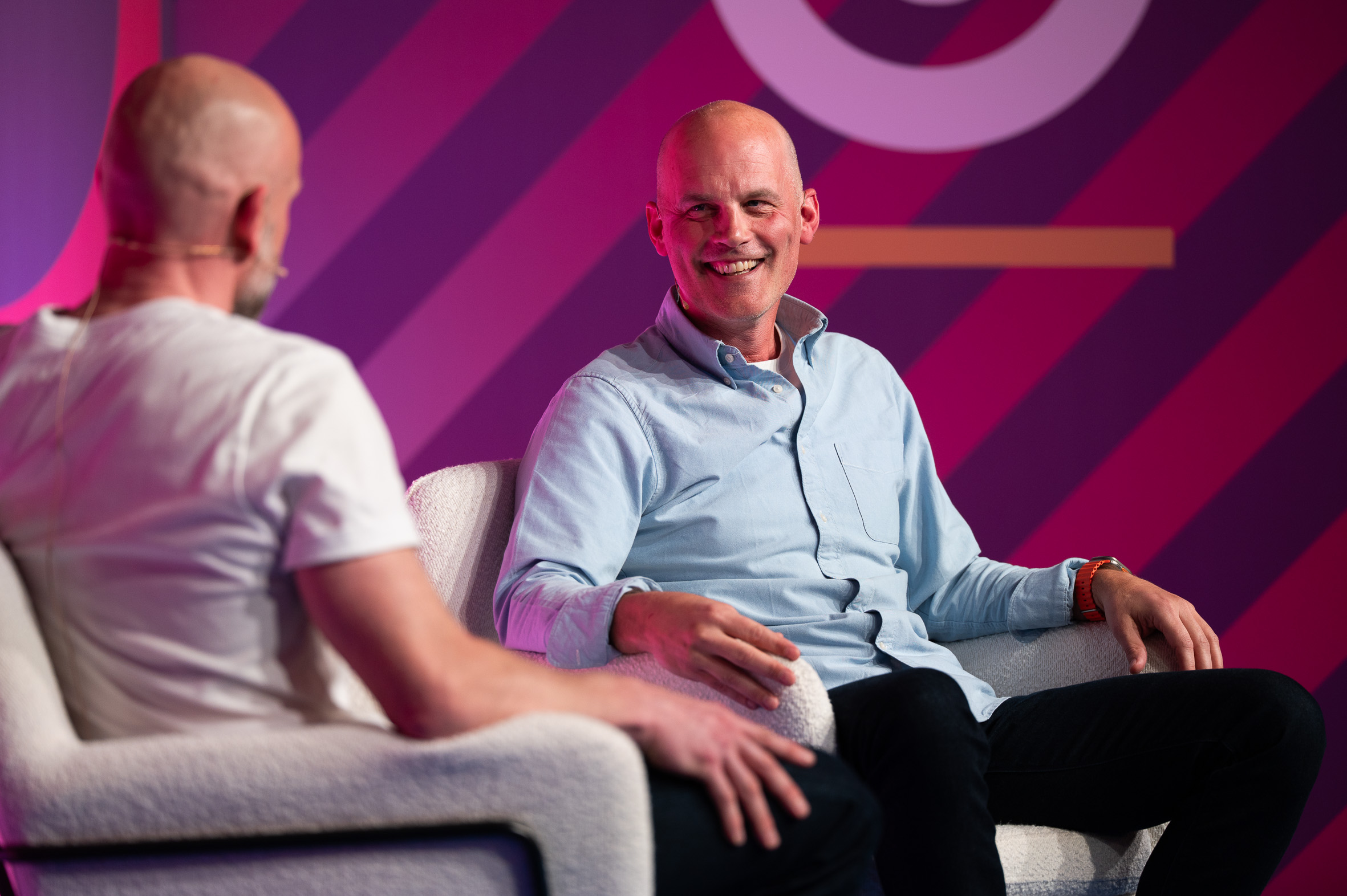
Cornish asked Brown how culture fits into the full cycle loop and what he does to understand it better. Brown explains that there are certain moments where the entire nature is encapsulated in certain TV programs or other forms of entertainment. He said that although tapping into these moments means you can easily reach everybody all the time, you must take advantage of context. We work with the agency, particularly on contextual category entry points, understanding where people are interested in the moment of their journey, and that might well play into passion points,” he said.
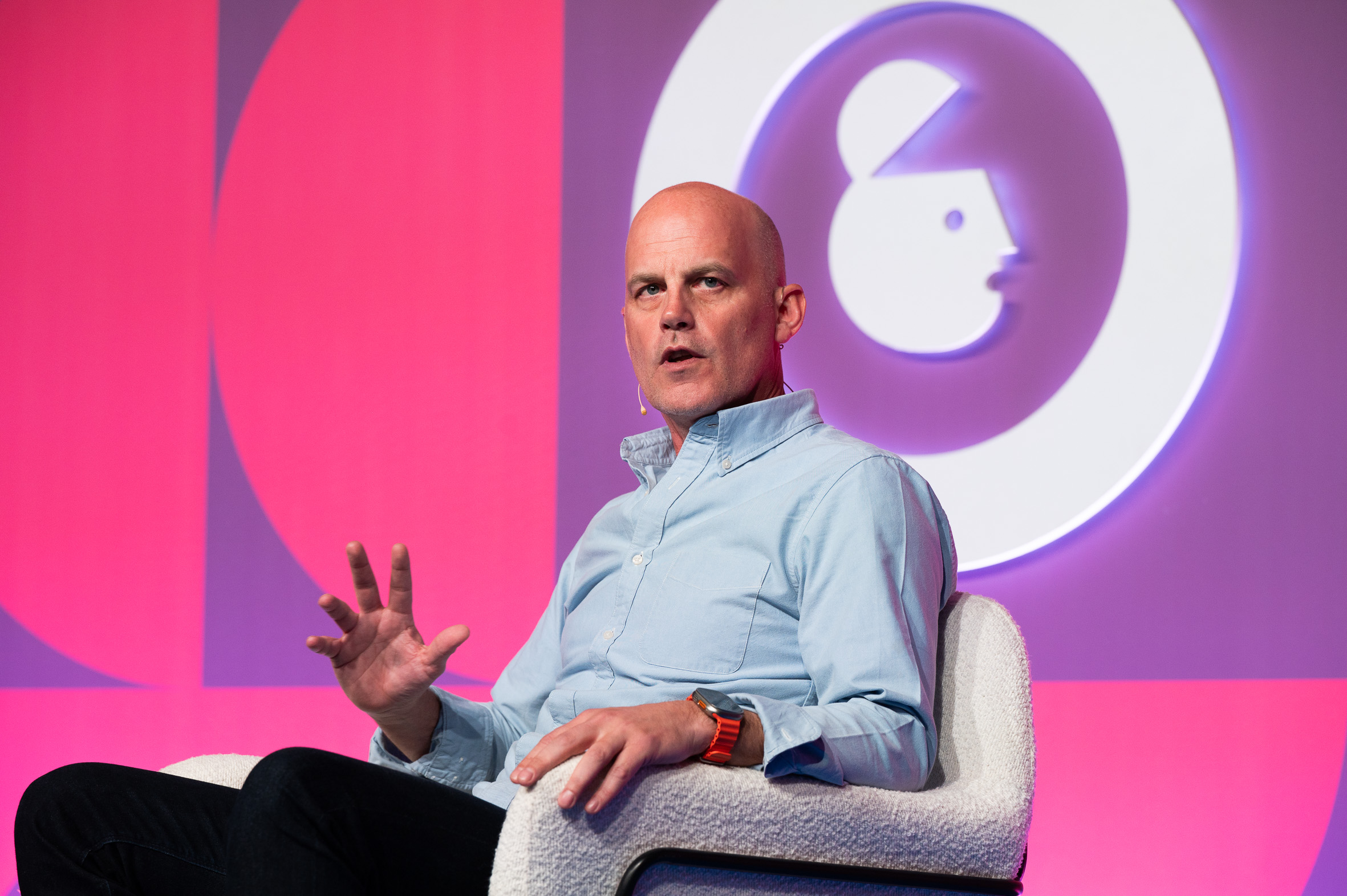
Although marketers should always be thinking about longevity, when it comes to buzzworthy moments, you need to be quick. “If culture is happening right now, and there are moments happening in the calendar, we can react. And we’re setting ourselves up to create content on a rapid scale,” he said.
“How can we react to these super-fast moments and get content out there quickly? Because I think you can leverage cultural conversations, but you’ve got to be moving fast on that, because if you do it a day later, there’s no point.”
You May Also Like

The Best Agency-Client Relationships Are Built in the Trenches
When was the last time your in-house team handed you a Don Draper holy $#!* moment?

Evolving Commerce Media: How Offsite Unlocks the Full Funnel
Commerce media spent the last decade proving one thing exceptionally well: onsite ads drive immediate conversions. But treating commerce media purely as a bottom-funnel sales tool leaves most of the customer journey untouched.
The Entertainment Revolution: Why Brands Need to Think Beyond the Screen
As gaming, streaming and social media reshape how audiences experience entertainment, marketers face a fundamental challenge: Learning to participate in culture rather than simply advertise alongside it.