




The Privacy Payoff: What 11,000 Consumers Want Marketers to Know
By Alison Miller, Advertising Week Contributor
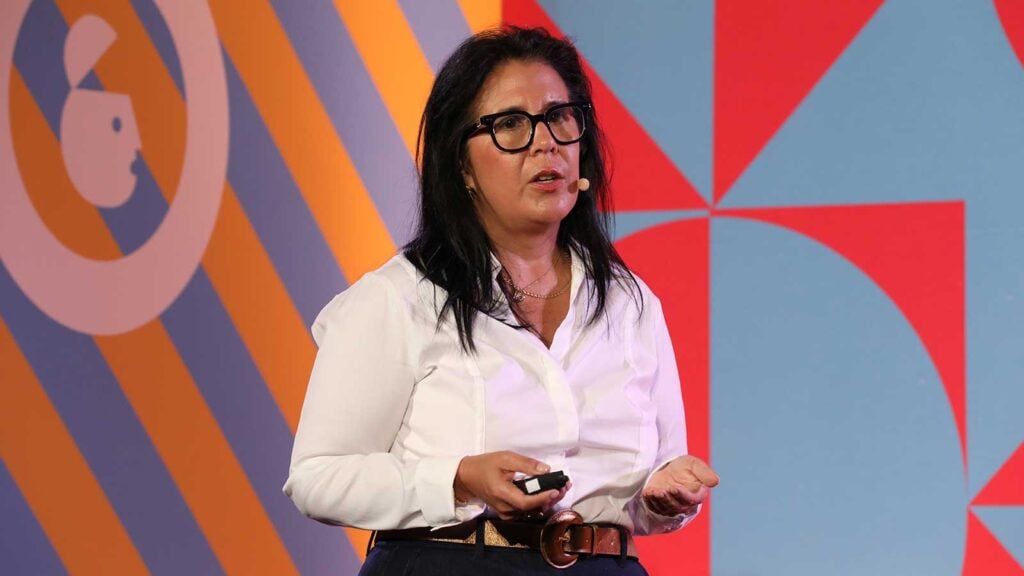
Marketers worried about consumers withholding personal information may be overlooking a more basic problem: They have not earned a meaningful yes. At Advertising Week New York 2026, Usercentrics’ Maureen Prado argued that clearer explanations and greater consumer control can help brands build the trust needed to sustain customer relationships.
Drawing on research involving 11,000 consumers across seven markets, Prado focused her presentation on the United States. Her message challenged marketers to treat privacy as part of the customer experience, with consequences for acquisition, personalization and the relationships that follow an initial sign-up.
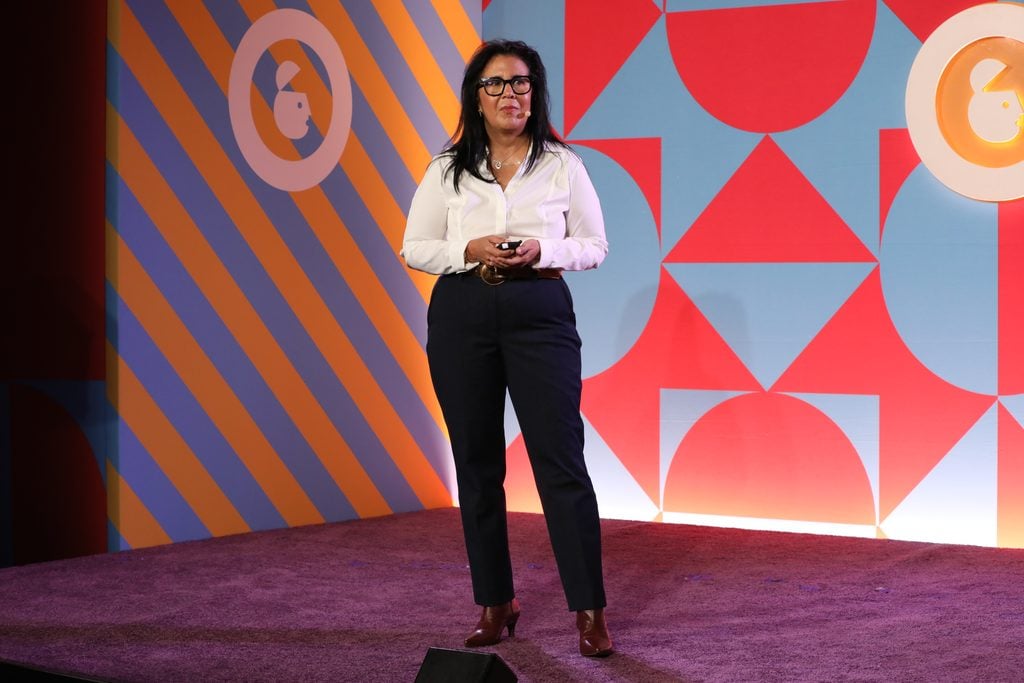
Prado said 29% of consumers in the research simply accept everything, while 53% actively limit what they share. She also said 88% had taken a step to protect the data they share, underscoring how actively consumers manage access to their information.
Those figures carried a warning for brands measuring success by how many people agree to data collection. A consumer’s acceptance may reflect resignation rather than confidence, and a business that treats every yes as equally valuable risks misunderstanding the relationship behind it.
Prado said 57% considered taking a data risk part of everyday life. She called that response “the worn-down yes” and cautioned marketers against treating it as an achievement, saying consumers may later become concerned about information they have already provided.

The business consequences can extend beyond customers who openly complain or leave. Prado said 66% had left a company over its handling of their data, then urged marketers to consider people who abandon an interaction before becoming customers. An advertisement may reach someone, she said, without revealing why that person walks away before entering the marketing funnel.
To bring that problem closer to home, Prado opened by asking attendees to set aside their professional roles and think as consumers. She asked whether they had deleted an app because of tracking or abandoned a sign-up that requested too much information. The exercise connected the research to decisions marketers themselves make when the perceived cost of sharing becomes too high.
Trust also changes what people are willing to share in different settings, Prado said. She contrasted consumers’ willingness to provide sensitive information within a trusted banking relationship with their reluctance to disclose information to a social app. Brands begin with different relationships, she said, and those differences affect how consumers receive a request for data.
Artificial intelligence makes the need for explanation particularly pressing. Prado said three-quarters of consumers viewed AI personalization as intrusive, but she also said 50% would pay more if they understood the AI personalization. That finding describes stated willingness, rather than demonstrated purchasing behavior, but it supports her argument that consumers want visibility into how an experience works.
Prado urged brands to identify when AI powers customer interactions, including chatbots, sign-ups and recommendations. She emphasized plain language that helps people understand what is happening at the moment they encounter it. The objective, she said, is to make the exchange clear enough that consumers recognize what they receive in return.
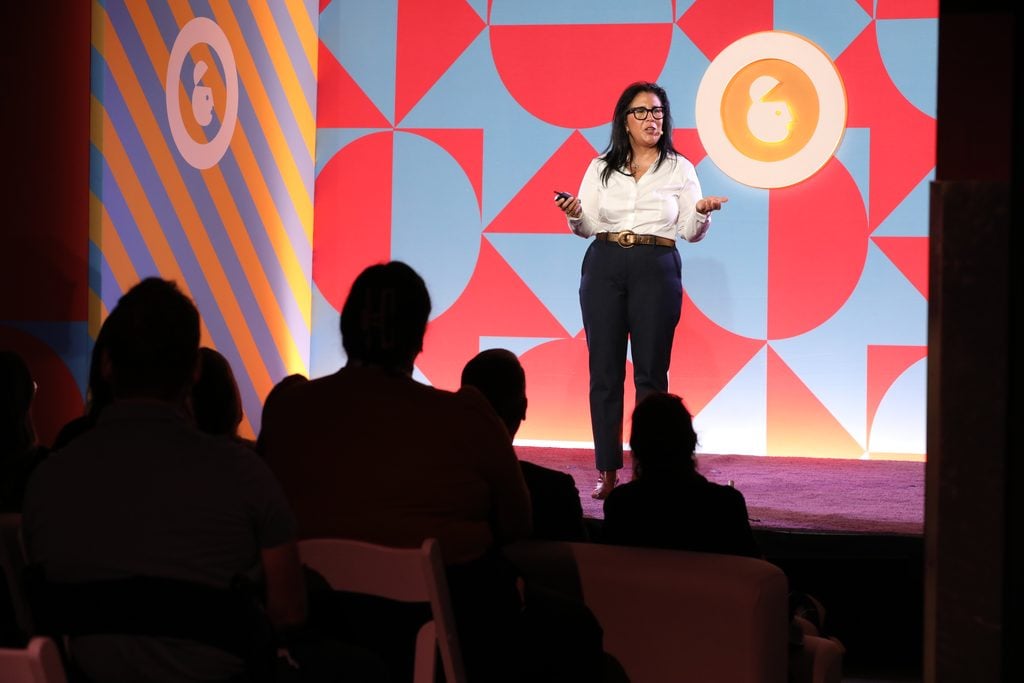
Privacy-conscious consumers may be especially receptive to that approach. Prado said the consumers most aware of how their information is used and what protections surround it were three times more likely to say yes. She described them as a potentially valuable audience because they understand why they agreed and could become advocates for a brand.
Her recommendations centered on giving consumers understandable choices throughout their relationship with a business. That includes clear opportunities to opt out, unsubscribe or seek more information, alongside explanations of AI use. For marketers, the payoff she described begins with an informed decision to participate and continues through a relationship built on trust.
Sarah Merians Photography for Advertising Week
You May Also Like

More Than the Game: Earning a Place in the Fan Conversation
Ann Piper, Head of Sales for the Americas at Spotify, moderated the discussion with Angela Steele, Chief Client Officer, U.S. at WPP Media; Wes Harris, Director of Marketing for YouTube TV at Google; and Juliet Litman, Director of Talent and Operations at Spotify Podcast Studios.

Traditional Attribution and Promo Codes Share the Same Blind Spot
Traditional attribution and promo codes share the same blind spot.
The Next Era of Financial Media Networks
On this panel presented by Citi Commerce Media, Quentin George, Distinguished Partner at McKinsey & Company, joins Jeff Chwast, General Manager of Citi Commerce Media; Jack Jia, Founder and CEO of Musely; Maryam Paez, Head of Marketing & Loyalty at Paze; Jennifer Philo, Global Vice President, Digital Commerce and Partnerships at Blackhawk Network; and Joe Groter, Vice President of Commerce Partnerships at Publicis Media to discuss what financial media networks must deliver for advertisers. The conversation examines how transaction insights, relevant offers and payment capabilities can work together to serve customers.