




The YouTube Formula – How to Crack YouTube Ads, Prove It and Scale It
By Helen Myers, Advertising Week Correspondent
Ice Heggedal, marketing acquisition team lead at Usercentrics, began her presentation with the story of how she went from just being a performance marketeer, to becoming a privacy-led marketeer. In 2024, she saw the opportunity of running creative ads on YouTube and decided to capitalize on the platform.
She then shared her advice on how to optimize these ad spaces and the data to back it.
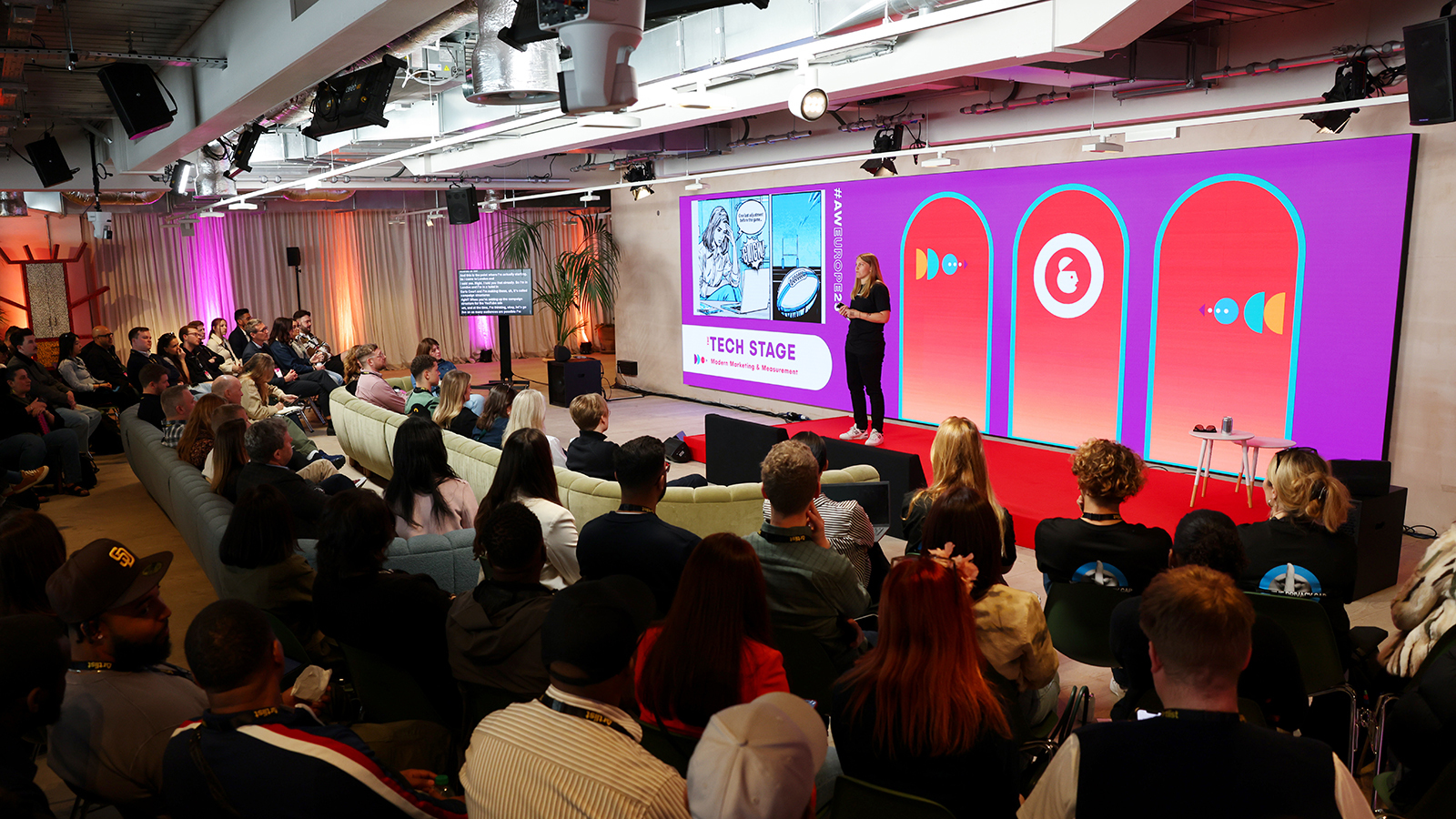
Knowing your audience and learning what content they interact with is more important than people realize. “You really need to take time to consider your users and try to brainstorm. Put live as much as you can, go big, and then narrow it all down and stick to it,” she said.
The ad content itself matters, and Heggedal showed two contrasting ads to convey her point. The first was a simple text-to-speech ad using AI, while the second was more visual and story-based. In the end, the second campaign had a higher click-through rate, and many users even hit the like button on the video or subscribed after watching.
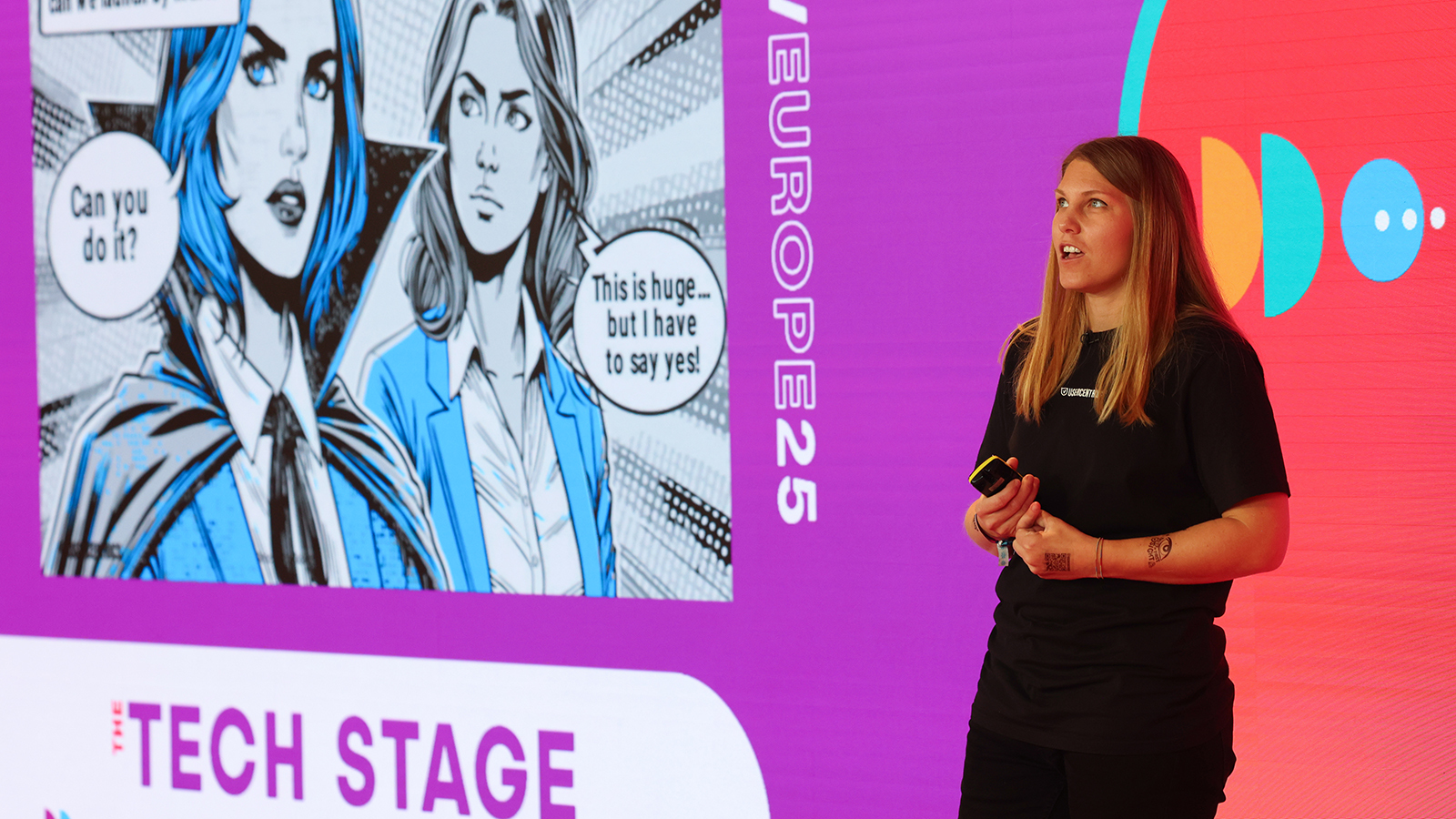
“Google always tells you that the creatives are 50% of the experience, I actually think it’s more. I think the impact of the creatives are so important when you do visual storytelling, and you can’t really cut corners,” she explained. She also advised that half of the budget should be put towards the creatives themselves because they have such a significant impact on the success of an ad.
Filler content is also crucial between sales-driven ads. YouTube offers a space for content in between campaigns that adds value to the user. “[YouTube] is a place that people go to learn. So when you have content that people generally get something from, it tends to perform well,” she stated.
Working with individual content creators and influencers is another way for a brand to level up its impact. Finding creators who have a niche audience that is genuinely interested in the product can also optimize outreach. Cocreating content with these influencers can be extremely beneficial, but Heggedal advises not putting words in their mouths and letting the creators be themselves.
She then explained that through optional surveys, she could see the physical manifestation of the effort put into YouTube ads. “7.5% of all the users that have signed up for our products during this time have quoted that they have seen us on either YouTube ads or in influencer content,” she said.
To Heggedal, this data is basic but often gets overlooked. She states that even if only 50% of people respond, it is still powerful, and at the consent of the user. “I think they kind of forget that this data was never really ours to have in the first place. We should ask people, right? This wasn’t given that we should have it,” she explained.
She closed her presentation by saying that privacy-led marketing is going back to the basics of marketing. “Privacy-led marketing to me is having to do things like thinking about creatives, really thinking about audiences, and not being lazy. Doing things like that provides real value for users, like with courses or giving things to people without expecting something in return,” she concluded.
The Trust Factor: How Privacy is Reshaping Digital Advertising
The digital marketing landscape is undergoing a fundamental shift. Increasing privacy regulations, reduced data access, and evolving platform policies are changing the way businesses collect and use customer data.
This survey from Usercentrics explores how digital marketers are adapting, the challenges they face, and the strategies they are implementing to drive success in a privacy-first world.Your responses will help Usercentrics better understand industry trends and inform future strategies. The results of this survey will be used to compile an industry report.

Also available as an audio podcast through our Uncommon Thinking podcast series. Subscribe now on your favorite podcast platform:



You May Also Like
The Best Agency-Client Relationships Are Built in the Trenches
When was the last time your in-house team handed you a Don Draper holy $#!* moment?
Evolving Commerce Media: How Offsite Unlocks the Full Funnel
Commerce media spent the last decade proving one thing exceptionally well: onsite ads drive immediate conversions. But treating commerce media purely as a bottom-funnel sales tool leaves most of the customer journey untouched.
The Entertainment Revolution: Why Brands Need to Think Beyond the Screen
As gaming, streaming and social media reshape how audiences experience entertainment, marketers face a fundamental challenge: Learning to participate in culture rather than simply advertise alongside it.