




This Is How You Control the Narrative to Keep Your Users and Customers Happy

By Ali Malik, CEO at Bezier Labs
LinkedIn has always been a platform where you connect with other people. For the longest time, users would go on LinkedIn once every few months to browse jobs or to announce a career milestone.
Wind the clock back by even a year and accounts were only just starting to talk about AI. In December 2025, LinkedIn’s 360Brew algorithm kicked in full effect and ended up changing the entire game.
Creators started reporting less reach. New post analytics options like “Followers gained from a post” and “Saves” was added.
Fast forward to May 2026, content went up 14% YoY and LinkedIn has finally started being very public about cracking down on AI slop, while also expanding the access to AI tools to their premium users.
Many are thinking that this is an active contradiction from LinkedIn. It is not. It’s strategic and the numbers make sense.
The ad revenue crisis
Historically, majority of LinkedIn revenue has come from Talent Solutions. But with AI companies pouring money into B2B marketing, and LinkedIn becoming the default platform for reaching executives and decision-makers, the revenue pendulum is starting to swing more in the direction of ads.
“Follow the money”, they say. In this case, when the pockets of the decision makers are deep and LinkedIn is the first place to reach the B2B market, it is not only wise, but necessary to send out a message of being the righteous company that cares about the user experience by “cracking down” on AI slop.
LinkedIn needs its users to produce content that is non-AI so it can enhance the user experience of the CMO or the VP of Marketing who lurks on LinkedIn and is the gatekeeper to the ad revenue.
The math does the talking
Ad revenue constitutes about 46% of LinkedIn’s revenue, a number that was $8.2 billion in 2025 and is projected to cross $9.7 billion by the end of 2026, with the majority of the money coming from Generative AI advertisers, according to WARC Media.
LinkedIn is simply trying to align itself with what these would be ad spending corporations are looking for.
In fact, it has no choice but to evolve with its customers. This lines up with what WSJ reported in December 2025 that companies are “desperately seeking storytellers“, and the percentage of LinkedIn job postings in the U.S. that include the term “storyteller” doubled in the year ended Nov. 26, 2025.
LinkedIn is playing the long game that protects its revenue a decade from now. Being so public about the fact that they’re taking measures against AI content is a masterclass in public relations and narrative control.
The platforms need to put their business needs first because that’s the only way they can provide a good experience for their users and instil enough trust to keep generating revenue.
Earlier this year, we witnessed a version of this with Anthropic where refusing to succumb to the demands of the Pentagon, which was a massive legal risk at the time, actually led to a post-money valuation of Anthropic crossing OpenAI at $965 billion as of May 2026, increasing trust with not only investors but also massive corporate customers.
The pattern is rather clear: Trust is becoming even more critical in the age of AI and LinkedIn is doing everything they can to protect its public image.
If they can crack down on AI slop and be vocal about it to the people with big pockets, they protect their revenue for years to come.
You May Also Like
The Power of the Transaction
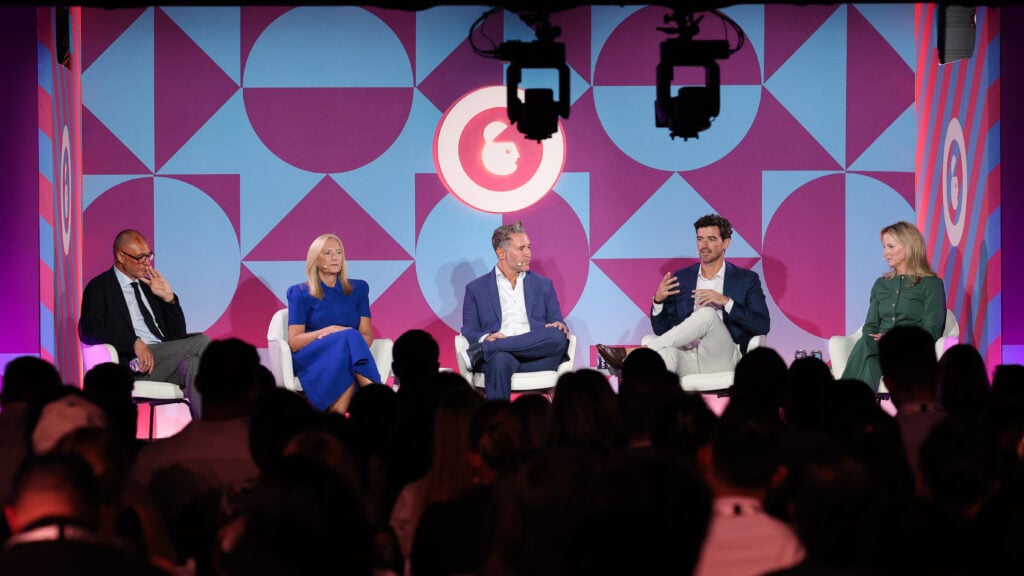
A click can suggest interest, but a transaction shows where someone chose to spend. In our Advertising Week New York session, “The Power of the Transaction,” the leaders behind Citi Commerce Media discussed how purchasing data can help brands identify audiences, deliver relevant offers and assess what happens after an advertisement.

How to Find Authentic Experts in a World of Ai-Generated Content
As AI-generated content floods the internet, how do we know who’s actually an expert anymore? Why businesses need better ways to distinguish genuine human expertise from AI-generated noise.
Brands Can Scale Creator Content Without Sacrificing Authenticity
With platforms and technology providers promising easier discovery, faster campaign setup, and more efficient distribution, creator marketing is starting to look more like the rest of digital advertising. For brands managing a growing number of creator relationships and assets, the appeal is obvious. But it also raises a reasonable concern.