




Three Ways to Turn Creative Into a Performance Lever Across a Fragmented Media Landscape

By Rhea Rizk Sauma, Sr Product Marketing Manager at Kargo
Brands do not simply need more versions of an ad. They need to know what works, where it works, which outcomes it influences, and why. Media buyers have spent years improving nearly every other variable in digital advertising, from audience targeting and inventory selection to bidding and campaign optimization. Creative, however, has remained largely outside that feedback loop. Campaigns now span display, mobile web, in-app, online video, connected TV, native, commerce media, and other emerging formats. While increased inventory creates more opportunity, it also makes performance harder to understand. The same campaign idea can build awareness in one environment, generate clicks in another, and drive conversions somewhere else. Aggregate results can hide those differences.
Media technology can show buyers where an ad ran, what it cost, and which outcome followed, but it’s less effective at explaining why an execution worked. Was performance driven by the image, headline, offer, pacing, format, or the relationship between the creative and its environment? For many marketers, creative remains a black box.
AI is beginning to open that box. Beyond automating resizing, reformatting, tagging, and quality assurance, creative intelligence can connect specific attributes with outcomes across inventory types. Paired with sound measurement, it can help marketers understand what contributes to awareness, engagement, clicks, and conversions – and use those insights to improve creative, select inventory, and direct spend toward stronger combinations. Here are three ways to put that idea into practice:
Detect Creative Fatigue Before It Erodes Performance
The first step in opening the creative black box is recognizing when performance begins to change. Creative is often assessed after a campaign ends or after an asset has already begun to decline. By the time that drop appears in an aggregate report, marketers may have spent days or weeks funding an execution that is losing effectiveness.
Inventory fragmentation makes fatigue more nuanced. An asset may be fading in one placement while continuing to perform in another. Looking only at the overall average can cause marketers to retire a strong asset too early – or keep supporting a weak one for too long.
By examining performance at the element and inventory level, creative intelligence can shorten the distance between detection and action. Marketers can refresh the image, message, offer, format, or placement that needs attention while preserving what still works. Creative refresh becomes an active media strategy, focused on the changes most likely to improve the outcome.
Test Creative and Inventory Hypotheses at Scale
The traditional A/B test is too narrow for campaigns running across many audiences, devices, formats, and inventory types. It may identify a winning ad without revealing which element made it successful or whether the result will hold in another environment.
A better approach starts with a hypothesis. Does a product-forward image generate more clicks in commerce media while a lifestyle image builds awareness in video? Does a shorter opening improve attention on mobile while a longer narrative performs better on connected TV? Does an offer-led headline drive conversion across every placement or only in lower-funnel environments?
Automated tagging can identify attributes such as imagery, copy, offer, logo placement, pacing, and sound, then analyze them alongside inventory, audience, and outcome data. Controlled experiments remain essential for determining causation, but AI can surface the hypotheses worth testing. Over time, those results form a proprietary intelligence library that informs both the next creative brief and the next media plan.
Use Creative to Strengthen Audience and Contextual Targeting
The value of opening the creative black box comes from acting on what it reveals. As third-party signals become less precise or less available, creative has a larger role in making an impression relevant. Audience targeting identifies who a marketer hopes to reach; creative determines what that person actually sees.
AI can express the same campaign concept through different tones, talent, imagery, messages, and pacing. Contextual and inventory signals add another layer, helping marketers choose an execution suited to both the audience and the environment in which it appears.
The objective is not endless personalization; it is a better match among the creative, audience, environment, and campaign goal. Awareness executions should be evaluated against awareness signals; action-oriented creative should be optimized against clicks, visits, or conversions. When creative and media data work together, buyers can evaluate the combination and adjust both sides of the equation.
Start Where You Are
Automating resizing, adaptation, tagging, and quality assurance is a practical first step. Removing that work should create room for closer collaboration among creative, media, analytics, and measurement teams.
Marketers can begin with a consistent taxonomy for creative elements, clear outcomes for each stage of the funnel, and a small number of tests across priority inventory types. Each result can inform the next brief and gradually build a repeatable learning system.
As inventory choices grow, bringing media and creative intelligence together will help marketers scale strong combinations, replace weak ones, and make every media dollar work harder. The opportunity is not to produce more creative for its own sake, but to create a continuous feedback loop between what runs, how it performs, and what happens next. When teams understand which creative elements influence awareness, engagement, clicks, and conversions in each environment, creative becomes a measurable, adaptable performance lever, one that can inform both the next creative brief and the next media plan.
You May Also Like
Add to Cart, Add to Culture: The Full-Funnel Commerce Evolution
Joining us is Abhay Singhal, co-founder and CEO of InMobi Advertising. Abhay explains what he means by agentic advertising and where early experiments with conversational ads are taking the industry.
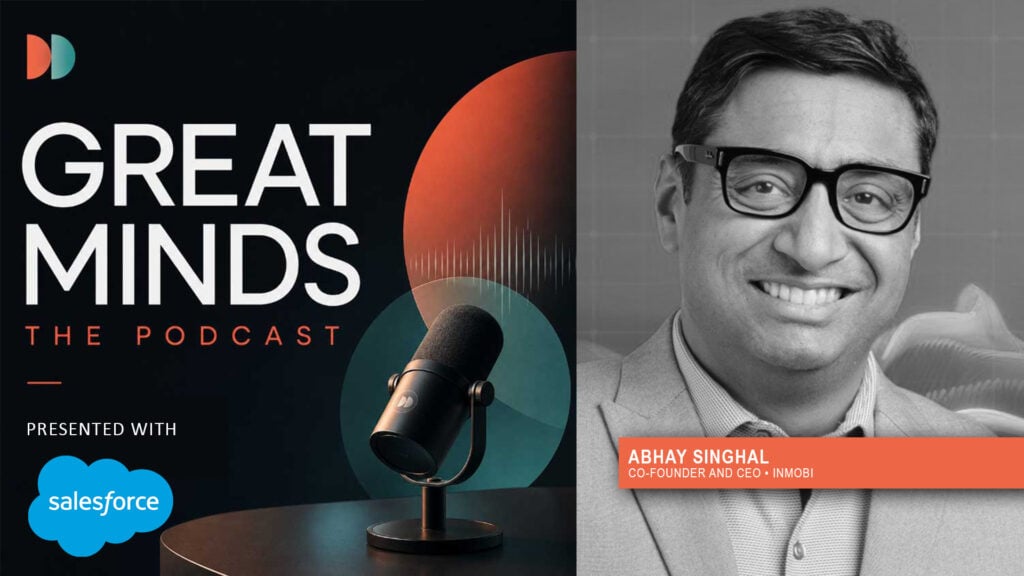
When the Customer Sends an Agent with Abhay Singhal of InMobi & InMobi Advertising
Joining us is Abhay Singhal, co-founder and CEO of InMobi Advertising. Abhay explains what he means by agentic advertising and where early experiments with conversational ads are taking the industry.
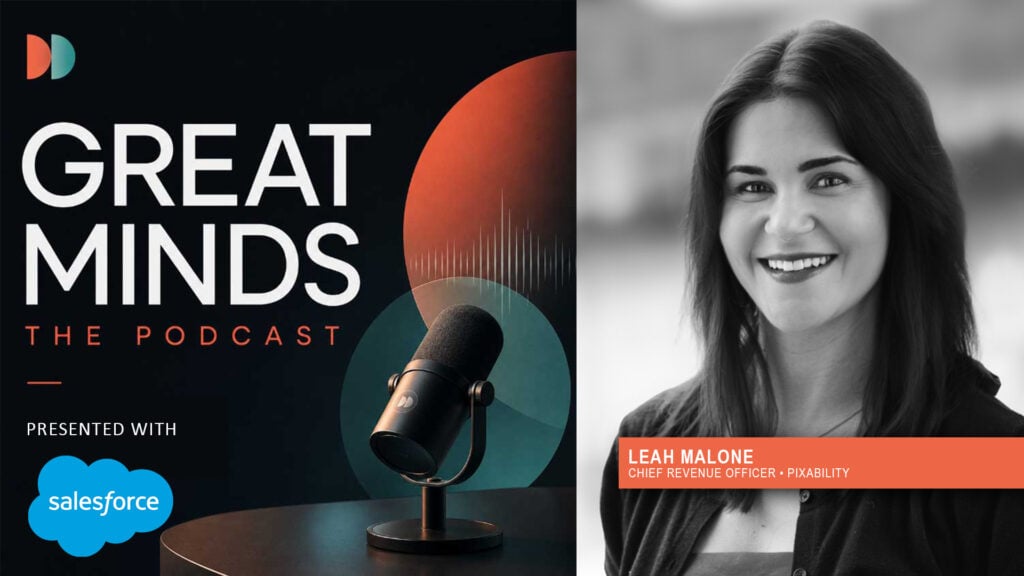
One YouTube, Too Many Strategies with Leah Malone of Pixability
Leah shares how brands can find relevant creators beyond subscriber counts, approach YouTube viewing on television screens, and distinguish content improved by AI tools from low-value videos generated entirely by AI.