What Genuine Curation Requires

By Filippo Gramigna, Co-CEO of Onetag
Curation is one of the most talked-about trends in programmatic, and one of the least understood.
Supply platforms miss the key ingredient when they treat curation as a cosmetic upgrade of previous approaches: Package a few domains, add a data partner, and throw a bow on it. The result is more deal IDs and complexity, but not necessarily better outcomes.
Here’s the thing: if no one reshapes the underlying infrastructure, then we’re not curating. We’re just repackaging.
More Than Dumb Pipes
Platforms that continue pushing volume through legacy systems not built for today’s demands are often called dumb pipes. Programmatic is about volume at scale, but it’s also about precision at speed. The only way to deliver both is through modern infrastructure and a fundamentally different approach to shaping inventory for demand.
What might that involve? Here are three possibilities:
- Placement-level shaping: One could filter inventory based on core quality and attention signals before it reaches a DSP.
- DSP seat-level shaping: One could optimize traffic based on how each DSP, agency, or advertiser seat bids and performs.
- Buy-side data shaping: One might incorporate KPI feedback to refine supply around what truly converts.
Curation along those lines would affect not only who sees supply, but also which impressions would perform.
Why Infrastructure Matters
Curation isn’t just a data problem. It’s also an infrastructure challenge.
DSPs have traditionally operated in a “burn-and-learn” environment, sifting high-quality impressions from a flood of irrelevant supply in the bidstream. QPS (Queries Per Second) limits and deal throttling were introduced to manage this flood, but they didn’t improve access to all the impressions that matter for specific buyer needs. Problematic ads still slip through, including high ad-refresh and ads-to-content ratio placements on reputable sites. Meanwhile, high-quality, high-attention placements across the diversity of the premium open Internet are easily overlooked.
The result? DSPs keep buying the same limited slices of inventory on the same generic basis.
Advanced curation platforms could apply sell-side decisioning to dramatically reduce this technical burden for DSPs, simplifying the path to high-quality, more performant media.
This approach would also provide significantly higher addressability and scale for data targeting, and would enable earlier inventory decisioning, dramatically improving quality outcomes for the demand side.
Publishers would increase revenue through higher CPMs on well-defined inventory segments. Buyers would benefit from greater confidence, improved campaign outcomes, and simpler planning. The overall ecosystem would exhibit reduced complexity, stronger performance, and increased transparency.
If your platform is still built on legacy architecture, static pricing, and post-bid optimization, you’re not curating. You’re flooding the market.
True curation could begin behind the scenes, by shaping impressions at the placement level, by dynamically adapting pricing to specific buyer needs, and by processing decisions at scale.
That’s what it would take to make the open web perform better for both advertisers and publishers.
You May Also Like

A Creator Brief Should Make the Next Decision Easier
A creator campaign brief should tell a team what it needs to learn before it spends the next part of its budget. That sounds straightforward. Yet a list of videos, posting dates and preferred formats can leave the most consequential question unanswered: what decision will this work help us make?

The Sameness Trap — Why the Brands Breaking Their Category’s Unwritten Rules Will Outshine the Rest This Season
Seasonal advertising tends to converge on the same safe, predictable formula within each category, so brands that follow it blend into the noise they’re paying to cut through.
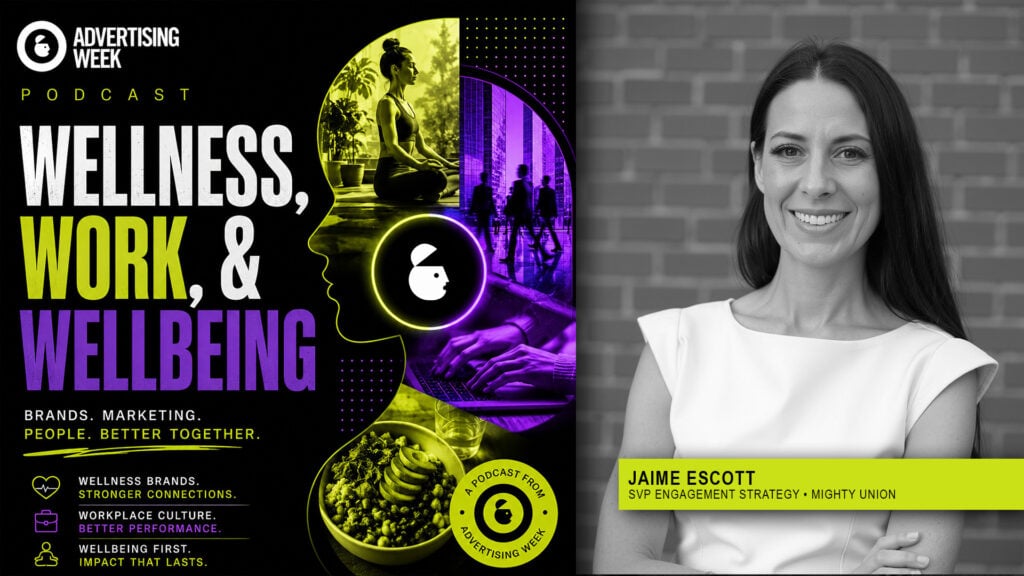
Healthcare Websites Need to Start Thinking Like Their Patients, Featuring Jaime Lyons of Mighty Union
In this episode of Wellness, Work & Wellbeing, we’re joined by Jaime Lyons, SVP of Engagement Strategy at Mighty Union, to discuss why hospital websites need to evolve beyond traditional marketing platforms.