




What it Takes to Be an Iconic Global Brand Leader
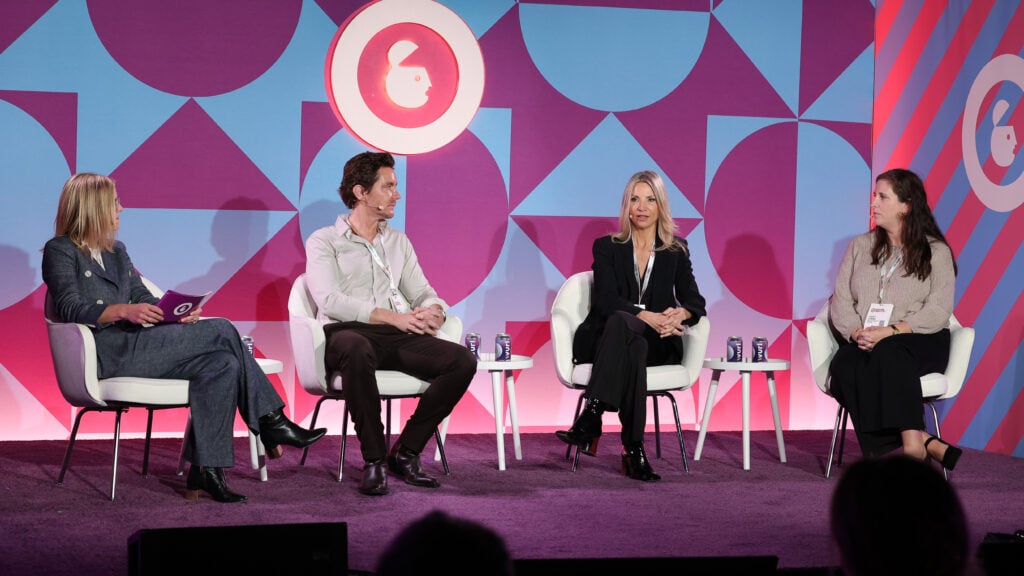
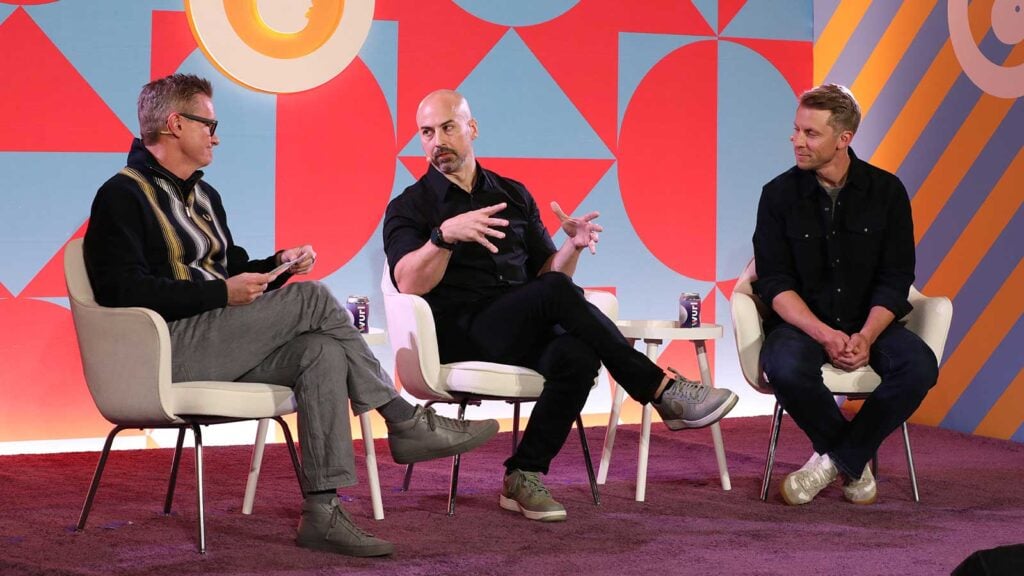
With a challenging macro-environment across the globe, what does it take to become and maintain your position as a global brand leader in today’s market? Hear from experts at McLaren Racing, Samsung and LEGO, on what they are doing that is considered ‘iconic’ and their lessons for other brands to make bolder moves in a complex world. They will also share insights into how brands can effectively adopt a global outlook and approach – flexing their brand to different markets.
Other discussion points include:
How to build deeper customer relationships through innovation and experience
The evolving role of brand – Today’s most relevant and valuable brands effortlessly balance power and responsibility. They do this by translating values and beliefs into actions, by setting standards of excellence and ethics across markets and by shifting people’s expectations of what brand delivers and means. These brands do things right and they also do the right things.
What brands need to consider when extending into new arenas and areas of business
How brands are using/looking to use AI and data in their strategies
You May Also Like

The Best Agency-Client Relationships Are Built in the Trenches
When was the last time your in-house team handed you a Don Draper holy $#!* moment?

Evolving Commerce Media: How Offsite Unlocks the Full Funnel
Commerce media spent the last decade proving one thing exceptionally well: onsite ads drive immediate conversions. But treating commerce media purely as a bottom-funnel sales tool leaves most of the customer journey untouched.
The Entertainment Revolution: Why Brands Need to Think Beyond the Screen
As gaming, streaming and social media reshape how audiences experience entertainment, marketers face a fundamental challenge: Learning to participate in culture rather than simply advertise alongside it.