




Why the Women’s Sports “Moment” Is So Much More for Advertisers

By Beth Miller, Vice President, New York Interconnect
The current surge in women’s sports is not just a fleeting moment—it’s a significant shift, marking the arrival of women’s sports as an essential part of an advertiser’s media buy. This evolution is not to be ignored—everything from historic milestones to shifting viewing habits is sparking this change.
The personality factor alone is palpable. Historically, women’s sports have seen iconic athletes like Billie Jean King, who broke barriers and brought women into the sports spotlight. Serena and Venus Williams revolutionized tennis with their dominance and charisma. Today, athletes like Caitlin Clark, Alex Morgan and Simone Biles continue to draw significant attention, contributing to the expanding popularity and influence of women’s sports. Slowly and now, undeniably indeed, this has led to increased engagement. We are seeing more enthusiasm than ever before.
The engagement statistics are undeniable. In 2024, the NCAA Women’s Basketball Tournament saw over 90% impression growth amongst adults aged 25-54 in every round of the 2024 NCAA women’s basketball tournament, compared to 2024. The Women’s Elite 8 games on ESPN averaged 186,000 impressions, and the Final 4 averaged 172,000 impressions in the same demographic. This growth reflects a substantial increase in viewer engagement and interest. Whenever fans are this riveted, that translates to opportunities for everyone working in the space.
Further, audience growth is equally impressive. The 2024 WNBA regular season is averaging 23,000 Adult 25-54 impressions to date, an increase of +188% over the 2023 full season average. The Indiana vs. Connecticut game on May 15, 2024 averaged 41,000 Adult 25-54 impressions and ranked as the #8 cable program for the day. It also outperformed the highest delivering game in the 2023 regular season by +52%. (Source: The Nielsen Company LLC; Live + SD; NY DMA; 2023 (5/19/23-10/18/23); 2024 (5/14/24-6/9/24); ESPN/ESPN2 only)
With this surge in viewership, big numbers are sparking incredible change. The inventory of available advertising placements within women’s sports has grown. The expanded playing field offers advertisers more opportunities to place their brands in front of engaged and passionate audiences. From there, brands can flex with new and ever-increasing creative executions, taking advantage of the opportunity as engagement, audience, and inventory grow. There is plenty of room on this playing field, and there is no safer place to be.
Women’s sports provide a brand-safe environment. This setting is not just a platform for advertising but a space that intuitively and naturally uplifts and empowers, aligning with positive brand values. Advertisers can confidently place their messages within women’s sports content, knowing it promotes and supports women in a wholesome and inspiring context.
Investing in women’s sports is not just about capitalizing on a trend. It’s a longer game than that. The play recognizes the rising potential and staying power of this category. Women’s sports have secured a significant place in today’s world and will continue to do so in the future. Advertisers who recognize and capitalize on this opportunity will join a dynamic and influential movement.
You May Also Like
The Power of the Transaction
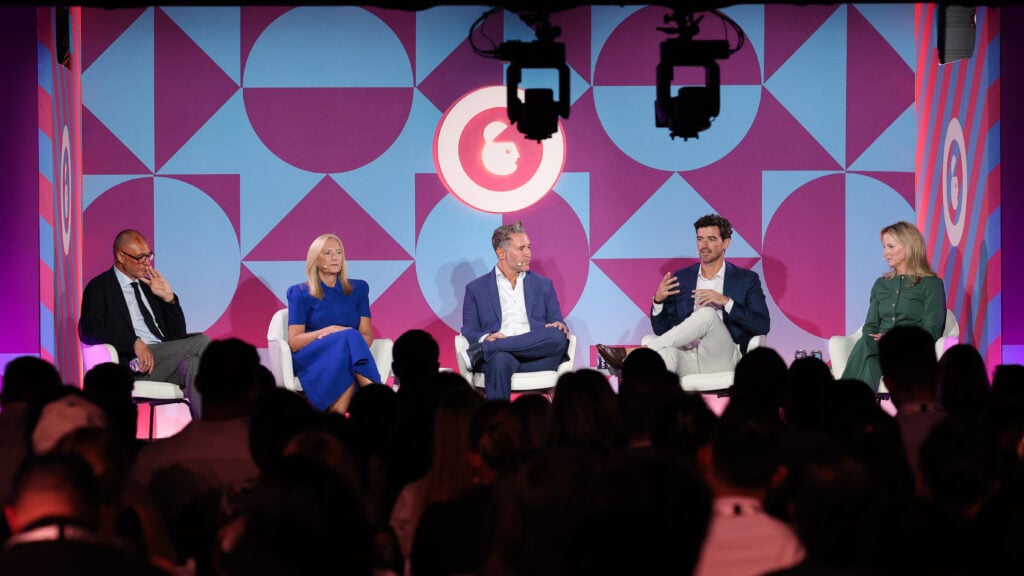
A click can suggest interest, but a transaction shows where someone chose to spend. In our Advertising Week New York session, “The Power of the Transaction,” the leaders behind Citi Commerce Media discussed how purchasing data can help brands identify audiences, deliver relevant offers and assess what happens after an advertisement.

How to Find Authentic Experts in a World of Ai-Generated Content
As AI-generated content floods the internet, how do we know who’s actually an expert anymore? Why businesses need better ways to distinguish genuine human expertise from AI-generated noise.

Brands Can Scale Creator Content Without Sacrificing Authenticity
With platforms and technology providers promising easier discovery, faster campaign setup, and more efficient distribution, creator marketing is starting to look more like the rest of digital advertising. For brands managing a growing number of creator relationships and assets, the appeal is obvious. But it also raises a reasonable concern.