




Your Definition of Culture Is Wrong

By Joe Lige, Founder & CEO, Culture Hive Media
For years, marketers have chased culture as if it were a trend report. A viral TikTok, the latest aesthetic, the hottest show on Netflix. Somewhere along the way, we reduced culture to whatever was happening on everyone’s “For You” page.
But that’s not culture. That’s the output of culture. Take the recent success of KPop Demon Hunters. Many have described it as the moment K-pop went mainstream but the opposite is true. KPop Demon Hunters resonated because K-pop was already a deeply rooted global culture. The film didn’t create that culture, it entered an ecosystem of shared symbols, fandoms, aesthetics and emotional connections that already existed. It understood the language before it started speaking.
Why is this important for advertisers? When brands mistake trends, demographics, or representation for cultural understanding, they risk showing up in ways that feel shallow, forced, performative, or ineffective.
We’ve all seen it happen, the ads that suddenly everyone is talking about because of how off base it was. The questions are always the same: Who approved it? How did it make it into the market? The answer is because somewhere in the process, the people making the work lacked the cultural context of the audience they were trying to reach.
To resonate with people, brands need to understand culture at its base level; the shared language, values, symbols and rituals that shape how communities see themselves, connect with one another and make sense of the world.
This is also why creators have become so valuable. Their advantage isn’t distribution; it’s interpretation. They understand communities because they’re part of them, or because they have spent years cultivating them. They know which references need no explanation, which symbols carry meaning and which partnerships will feel authentic, or painfully forced before audiences ever weigh in.
Consumers seem to recognize the difference. Edelman’s latest Brand Trust research found that 73% of people say they are more likely to trust brands that authentically reflect today’s culture. That suggests consumers aren’t asking brands to comment on every cultural moment. They’re asking brands to understand the cultures they hope to be part of.
That’s also where marketing’s definition of culture has become too narrow.
Culture is broader than representation alone. Culture is the context that gives representation meaning. For instance, two campaigns can feature equally diverse casts and produce entirely different outcomes because one understands the community it’s speaking to while the other simply casts it.
The next shift in marketing won’t be from television to social or from search to AI. It will be from demographic targeting to cultural intelligence. Instead of asking who an audience is, brands will need to understand what that audience believes, values and shares.
Consumers are already telling us what they want. A 2025 global consumer study found that 81% of consumers ignore irrelevant marketing messages, while 96% are more likely to buy from brands that personalize their messaging. Relevance isn’t simply about better creative—it’s becoming a prerequisite for earning attention.
Consider Heinz’s recent “Mustaaaaaard” campaign with producer DJ Mustard. On the surface, it looked like a clever play on a viral pop culture moment. In reality, it succeeded because it understood the culture behind the moment. Heinz didn’t try to manufacture relevance or force itself into the conversation. It recognized an existing cultural signal, the crossover of music, fandom, memes, and internet language and showed up in a way that felt authentic to the audience.
For decades, that kind of understanding depended on instinct and lived experience. Today, advances in social intelligence and AI are making cultural signals more observable and measurable than ever before. That’s important because relevance has always been advertising’s missing variable. Reach tells us whether an ad was seen. Cultural intelligence helps explain whether it will matter. That means brands need to understand not just who they are reaching, but the communities, references, rituals, and permissions that shape how their message will be received.
The brands that win over the next decade won’t be the ones that produce the most content or reach the most people. They’ll be the ones that understand culture well enough to create work that people recognize as being for them, not because an algorithm targeted them, but because the brand genuinely speaks their language.
You May Also Like
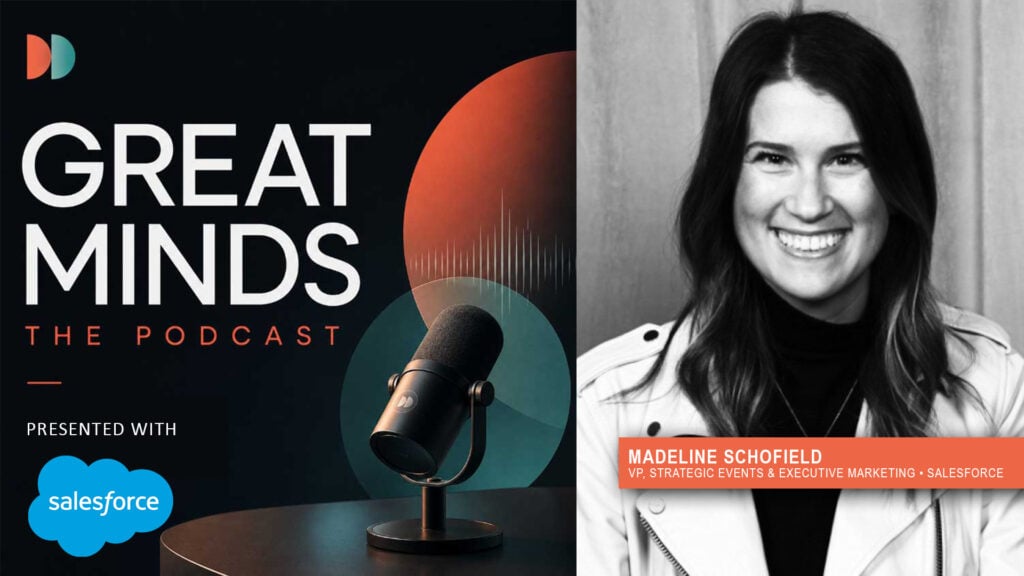
People Still Buy From People Featuring Madeline Schofield of Salesforce
Joining us is Madeline Schofield, VP, Experience Strategy and Executive Marketing at Salesforce, fresh from Dreamforce.
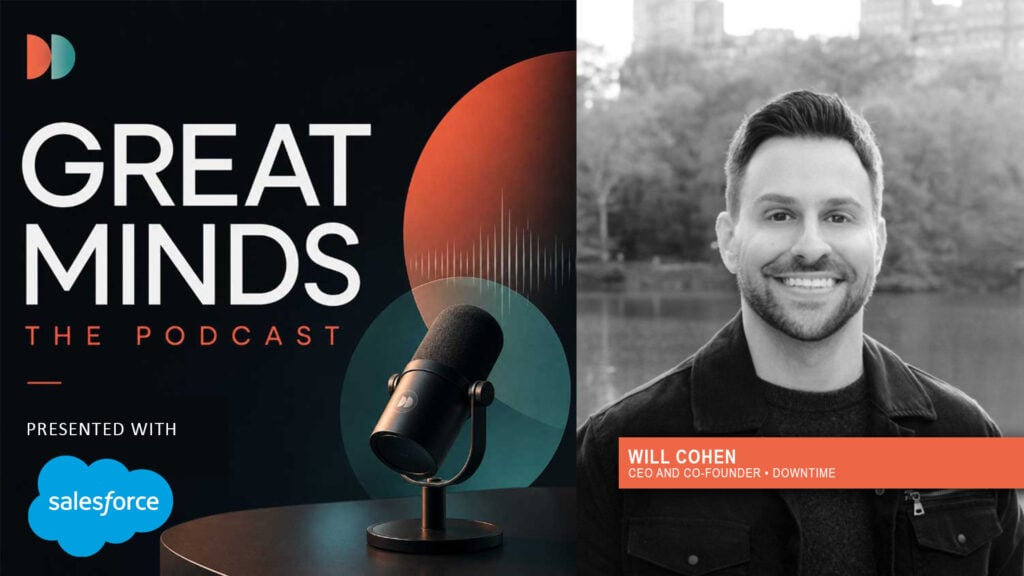
Giving Shoppers a Say Featuring Will Cohen of Downtime
Joining us is Will Cohen, CEO and Co-Founder of Downtime, whose background in retail media led him to build a business around customer participation.
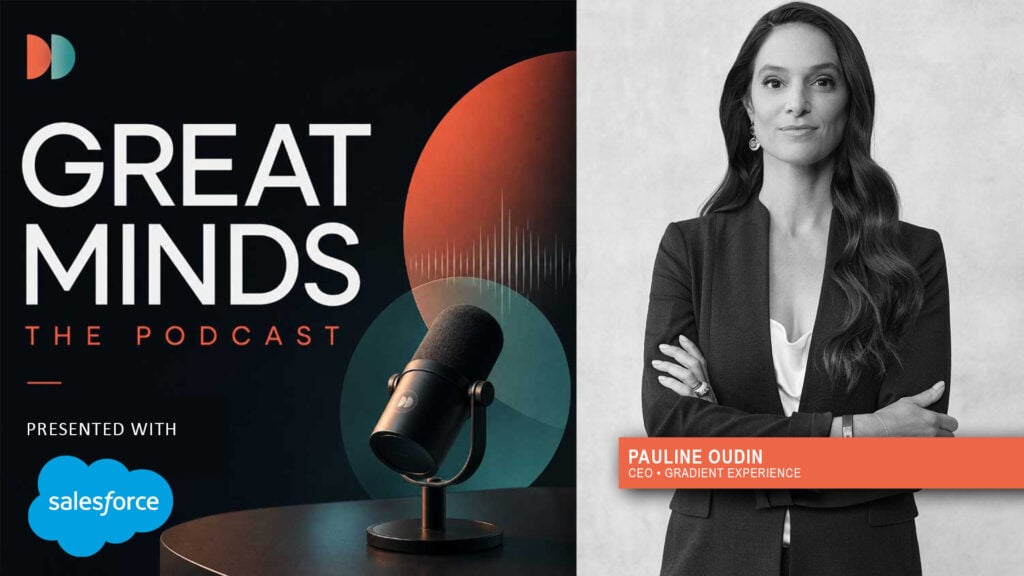
Give People Something Worth Talking About with Pauline Oudin from Gradient Experience
Today, we’re joined by Pauline Oudin, CEO of Gradient Experience, an experiential agency working across luxury, spirits, beauty, and technology.