




The Forgotten Factor in Great Work: Why Client–Agency Relationships Matter More Than Ever
By David Anders, Executive Vice President and GM, RAPP
The modern marketing industry is increasingly defined by its obsession with technology. Platforms, data infrastructure, and AI-driven products have become primary points of differentiation. Agencies compete on being faster, cheaper, and more scalable, emphasizing how work is delivered. While these tools have transformed the industry, they have also shifted attention away from a more fundamental driver of success: the strength of the client–agency relationship.
In many cases, agencies have become reactive partners, responding to briefs, optimizing outputs, and executing predefined requirements. Efficiency has improved, but something essential has been deprioritized. In the race toward automation and scale, the human foundation of the business is often overlooked.
Agencies have always been expected to do more than produce deliverables. Successful brands need agencies to think, develop big ideas, identify emerging markets, and influence human behavior. The roots of our business – the unique value we bring – is understanding people, both consumers and clients, and translating that understanding into impactful work that produces business results.
Over time, pressure for speed and cost efficiency has shifted the industry’s focus. Process, production timelines, and automation have become central. While these advancements increase output, they also contribute to a drift away from the relational core that once defined the business and fueled its magic.
At its base, marketing is about people. It requires understanding them, communicating with them, and influencing their decisions. The same principle applies to client–agency partnerships. Strong relationships are not a soft factor; they are performance drivers. Trust, accountability, and transparency create conditions for better thinking and better work.
There is a direct correlation between the strength of a client relationship and the quality of the output. When trust is present, conversations are more open, feedback is more constructive, and teams are more willing to take informed risks. Speed and efficiency follow as a result, not as substitutes for trust, but as outcomes of it.
The most effective partnerships are built on an understanding of the humans behind the brand. This goes beyond roles and project scopes to include motivations, incentives, risk tolerance, and organizational pressures, many of which are not explicitly stated. Navigating this complexity requires skill: active listening, reading between the lines, managing difficult conversations, and knowing when to challenge assumptions or push back in service of better outcomes.
Yet these critical capabilities are often underdeveloped. Agencies invest heavily in training teams on platforms, tools, and data systems, but far less in interpersonal skills such as listening, negotiation, and constructive disagreement.
This imbalance presents a broader risk. As agencies focus more on technology and standardized offerings, differentiation becomes harder. When capabilities look interchangeable, competition shifts toward price and efficiency, creating a race to the bottom. Technology alone is not a sustainable differentiator.
What remains distinctive is the quality of relationships. Clients do not choose agencies based solely on tools. They choose people: partners they trust to understand their business, challenge their thinking, and help them navigate complexity.
Looking ahead, technology will continue to reshape marketing. The organizations that succeed will be those that rebalance the equation, pairing technological capability with stronger human connection.
Key takeaways:
- Invest in relationship skills: Train teams in listening, communication, and constructive challenges—not just tools and platforms.
- Prioritize trust as a performance driver: Strong relationships enable better work, faster decision-making, and more effective outcomes.
- Use technology to enhance, not replace, connection: Existing tools are only as effective as the relationships guiding their use.
- Align shared outcomes: Move beyond transactional execution toward partnership built on mutual accountability.
Great work does not start with a platform or a dataset. It starts with people who trust each other enough to pursue bold ideas. When relationships are strong, conversations become more candid, risk-taking increases, and work improves as a result.
The future of marketing will not be defined by technology alone. It will belong to the agencies that reinvest in the human side of the business.
You May Also Like
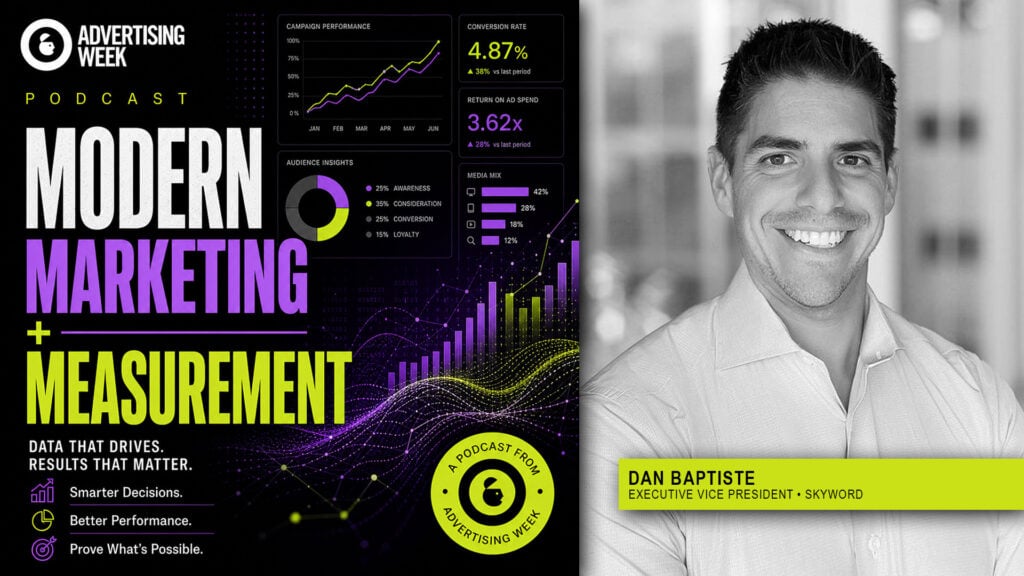
Please Stop Chasing Prompts, Featuring Dan Baptiste of Skyword
Dan Baptiste, Executive Vice President, Skyword, joins Modern Marketing and Measurement to discuss how brands can build authority through original expertise, a clear point of view, and teams that actually work together. Drawing on his experience helping companies tell their stories, Dan explains how a Vegas resort can accidentally become known for gambling instructions, why being cited is different from being recommended, and what marketing departments might learn from looking beyond their own org charts. He brings humor to a serious question: What does a brand contribute that customers cannot get everywhere else?

Your Marketing Looks Like Your Org Chart. Dan Baptiste Has Some Notes.
Choosing a position can make executives nervous. If a brand becomes more specific about what it believes and whom it serves, what happens to everyone else?
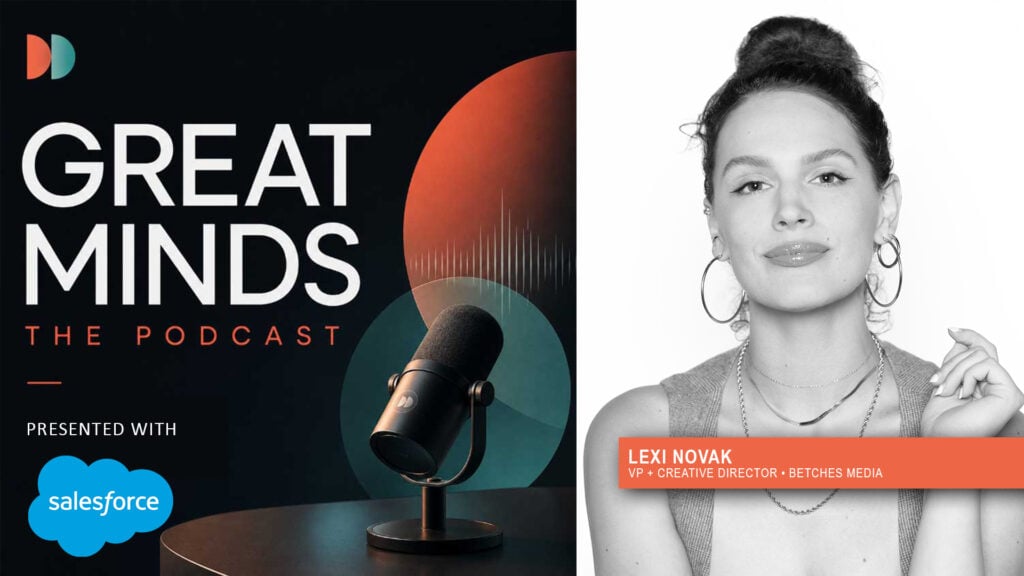
Lexi Novak of Betches Media on Why Audience Connection Beats Content Creation
What does it take to build a media brand that audiences genuinely connect with, and what can marketers learn from a company that has made humor, honesty, and cultural relevance its calling cards?