




All Commerce Media: Cross-Vertical Insights and Playbooks for Growth
By Helen Myers, Advertising Week Correspondent
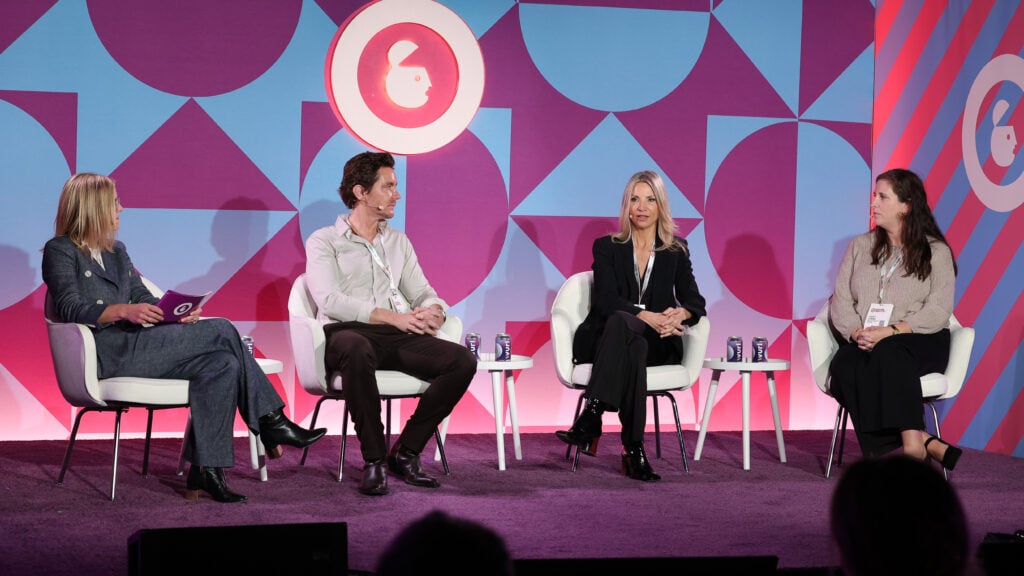
Nicholas Ward, the President of Koddi, spoke with Nikhil Lai, Senior Analyst at Forrester, about their recent work on running commerce media surveys.
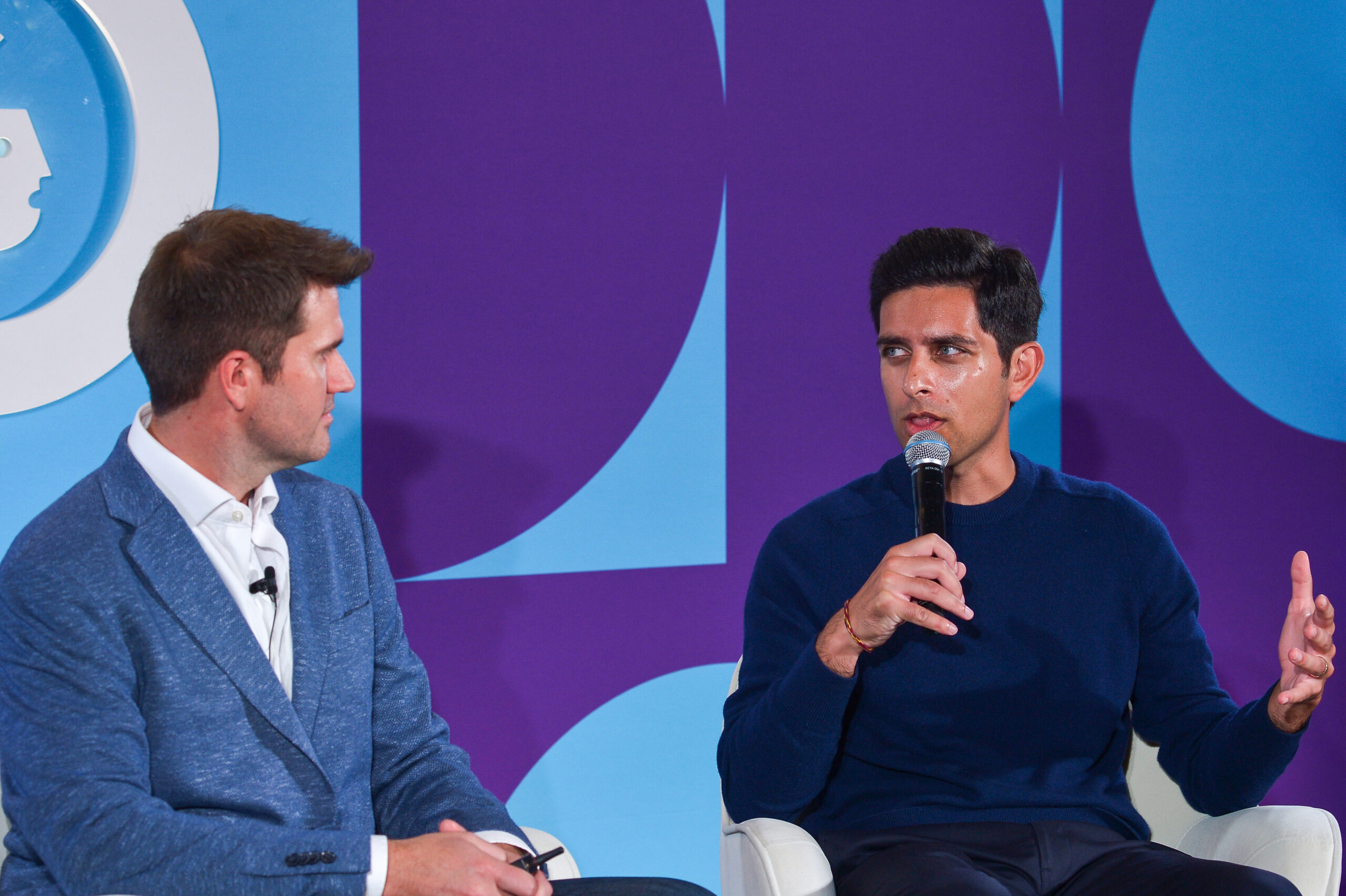
Ward kicked off the conversation by asking how the definition of commerce media has evolved, and where it stands today. “Commerce media was a channel a few years ago, now, I think it’s a cultural discipline that involves shopper marketers learning the language of ROAs. There’s so much new vocabulary and new cultural trends that are being unlocked by this, and now it’s really become this operating system. And I think this cultural discipline is more than just a media channel,” Lai said.
Changes in the space mean that publishers are now having to learn how to deal with fragmentation, measurement, and incrementality. The data recently run by Forrester shows that utilizing first-party data to more effectively measure commerce media within networks is a main goal for marketers.
With incrementality, Ward explained that it’s important to understand the incrementality that is associated with ads in general, and then understand its incrementality across different types of experiences.
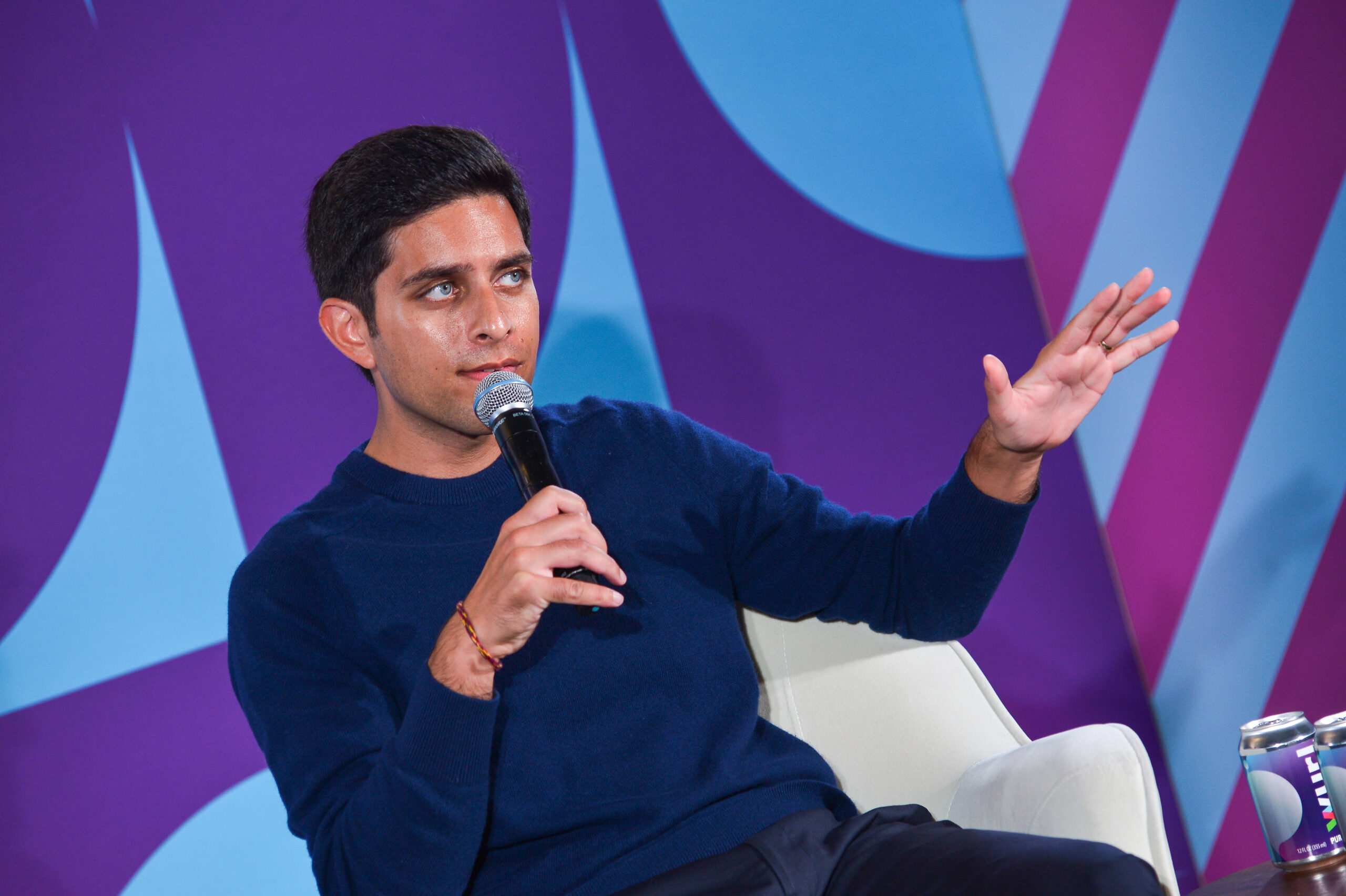
Lai added to that point and said that oftentimes, you are advertising to the people who are already in the market. “When I talk about incrementality, it’s not serving out to someone who’s in market and using retail data to reach them, it’s someone who’s in category, and you’re shifting them from one brand to the other. That’s incremental and still a really good application of retail data,” he said.
Their data revealed gaps in targeting and optimization, as only 19% of respondents are offering real-time AI-driven targeting and optimization based on behavior. Lai then explained that AI should be able to predict what users will type into a retail website’s search bar or cause them to recall a brand that they haven’t thought about in a while, but these features are often not implemented. “That is the promise of AI-driven targeting, an optimization that’s that’s beginning to be fulfilled,” he said.
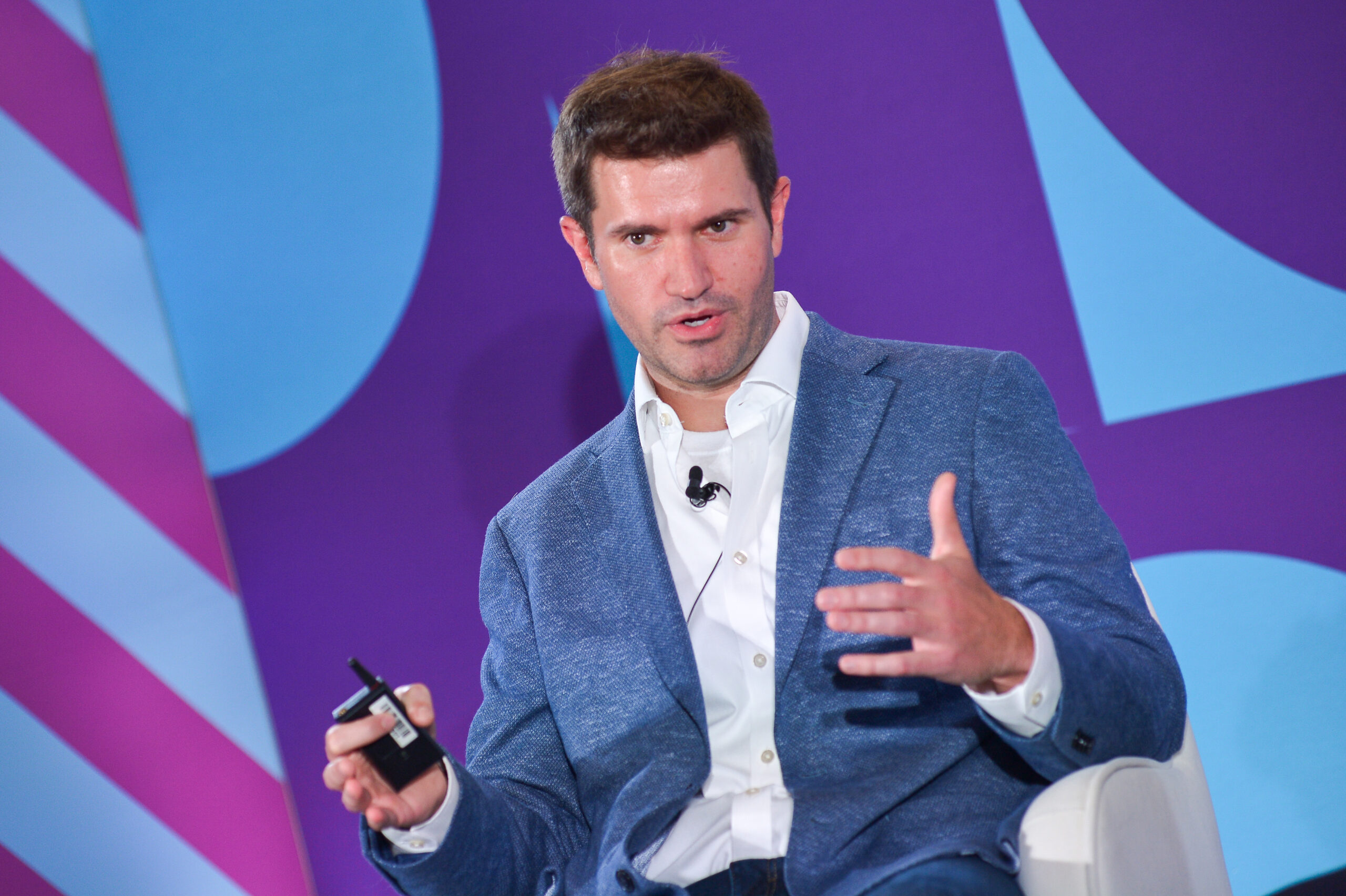
According to Ward, targeting should work differently than when they first came up in the marketing space. “If I think about traditional marketing, you’re focused on a number of segments. You’re trying to target across those segments, you’re really trying to tell the story of what’s working in the business,” he said. “The promise of commerce made is that you’re close to the transaction, and we should be really good at understanding all of the different paths that consumers can take along the way,” he added.
Ward then wrapped up the discussion by asking how marketers can set themselves and their network up for success in 2026.
“My advice is to map out the stakeholders involved across the content marketing team, the IT team, and the shopper marketing team. Find ways to get them on the same page and speak the same language. And when that happens, then the processes are united, then the technology can perform to its fullest,” Lai concluded.
Also available as an audio podcast through our Uncommon Thinking podcast series. Subscribe now on your favorite podcast platform:



You May Also Like

The Best Agency-Client Relationships Are Built in the Trenches
When was the last time your in-house team handed you a Don Draper holy $#!* moment?

Evolving Commerce Media: How Offsite Unlocks the Full Funnel
Commerce media spent the last decade proving one thing exceptionally well: onsite ads drive immediate conversions. But treating commerce media purely as a bottom-funnel sales tool leaves most of the customer journey untouched.
The Entertainment Revolution: Why Brands Need to Think Beyond the Screen
As gaming, streaming and social media reshape how audiences experience entertainment, marketers face a fundamental challenge: Learning to participate in culture rather than simply advertise alongside it.