




Brand Ambassadors—The Clue is in the Name
To effectively prove the ROI of experience marketing, we spent the last five years undertaking lab and in-market research. In the past year alone, we observed over 55 events in 41 states, where more than 450 brands delivered 550+ unique activations to a diverse group of fans, ethnicities, and cultural tastes. Along the way we uncovered a few golden nuggets that on the surface may seem obvious, but in the absence of data weren’t provable. We’re letting you in on just one of those secrets here, but you can find them all in the GMR Brand Experience Index.
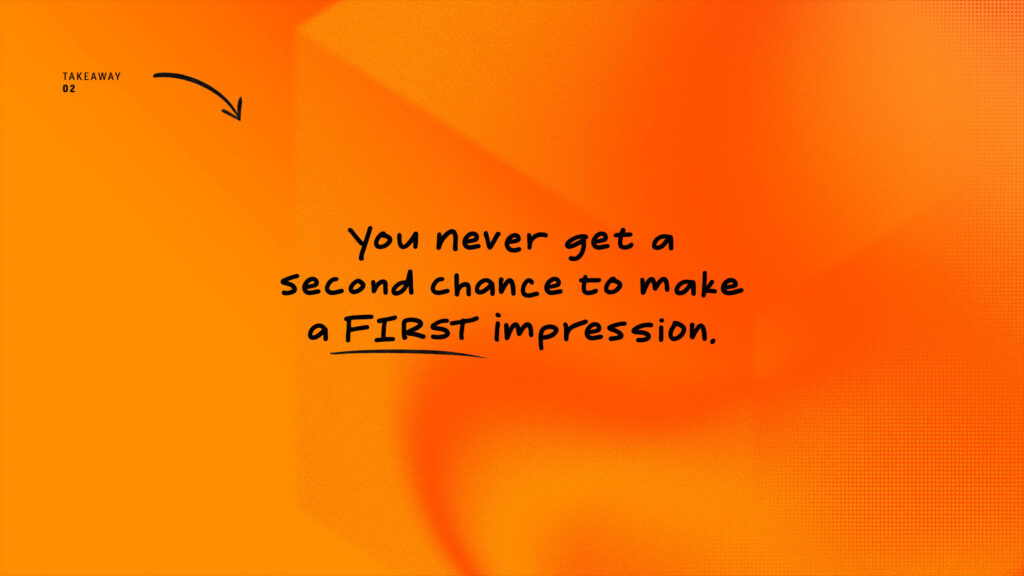
You never get a second chance to make a first impression
Without the presence of brand ambassadors (BAs), many if not all live experiences would simply fall flat. Yet we regularly observed unengaged and/or uninformed BAs, which is far worse than having none onsite. If the first touchpoint with your brand is a negative one, you as the brand marketer must work twice as hard to win that person back, assuming they’re willing to give you a second chance.
Imagine for a moment that you’re just “you” attending Event X
[fill in the blank]
and not your brand marketer self. Was there a time when you were put off by a grumpy or disinterested BA? Did it ruin the moment, change your perception of the brand, or get your hackles up so badly that you went straight to social and called out the brand? Perhaps you haven’t, but others have and will.
Here’s an observation from one of our data collectors at Country Thunder in 2: “I entered this footprint twice. At no point did anyone engage with me in a meaningful way. I had to approach the BA and ask what I was signing up for or entering to win. What a miss!”
Brand ambassadors aren’t simply extensions of your brand – they ARE your brand and should be as well trained as a full-time team member to accurately represent your company’s values, mission, and objectives. These folks can make or break an experience and help or hinder the growth of your brand community. Relegating them to basic hype roles or collecting typically unwelcome data capture should ideally be avoided.
Don’t be that brand.
You May Also Like
Design Is Britain’s Unsung Hero. It’s Time We Said So.
The UK design economy is worth £136.7bn and growing almost twice as fast as the wider economy. So why are we still so bad at recognising its value?

Count Me In – The Case for Total TV
We know that television still fills the room. Ask almost any advertiser and they will tell you the audience is larger than ever, gathered around bigger, brighter TVs.

Research Designed for the Decisions Advertisers Make
Advertisers have more choices than ever when deciding where to invest their media budgets.