

Proactive Media Buying Is the Only Way to Achieve Brand Safety

By Rosie D’Amato, Director of Publisher Development at Kargo
Across nearly every advertising channel, advertisers have mounting brand safety concerns to contend with. Including CTV advertisers
,Advertisers are questioning their agencies and partners to find out what they can do to combat these issues head on, but the real answer isn’t an easy pill for them to swallow. For too long, advertisers have accepted a reactive strategy to brand safety – perhaps without even realizing it. Advertisers allow their agencies to buy across the vast open web, social and CTV universe using keyword block lists and brand safety screeners that react to fraudulent content after it’s been discovered. Scale and low prices have been placed higher on their priority list than long term value creation and truly brand safe advertising.
Rather than play “whack a mole” to block the wrong content, the answer lies in a proactive approach that seeks out the right content and real value.
Exclusions and Bad Incentives Expose Advertisers
Advertisers are concerned about brand safety. Ask an advertiser if good quality or fraudulent content is more likely to help them reach their campaign goals and they’ll rightly pick the good quality option. But their media buying habits don’t match up. Advertisers typically require their agencies to reach as much of their target audience as possible at scale for the lowest CPMs possible across the open web – with the caveat that the content is brand safe.
Agencies end up with competing incentives. If agencies are too cautious, they won’t be able to reach the scale their clients expect. So, agencies take the approach of considering all content acceptable, as long as it passes a minimum threshold of brand safety hurdles such as a keyword list or site exclusion list.
This approach creates clear issues. As new content is added to the web, it is included in a media buy if it’s not part of the exclusion list. The MFA scandal showed us that content is added in huge quantities all the time. AI generated content is actually accelerating the issue and shows no signs of slowing down.
Fraudulent content creators also learn the brand safety rules and create content that passes the screening process. Advertisers and their agencies often look the other way when ads are on somewhat questionable content, and react only after major brand safety issues are uncovered.
Brave Advertisers Shift Focus to Good Content
Asking advertisers and their agencies to build a strategy based on good content shouldn’t be hard, but it is. Shifting focus from scale and low prices to campaign outcomes has been difficult for many advertisers, but the results speak for themselves.
A proactive media strategy trades block lists and scale for site lists and transparent partnerships built on quality content. Advertisers need to approach media buying through their agencies and partners with some new proactive rules:
- Use inclusion lists instead of block lists – Yes, an inclusion list is going to mean that advertisers aren’t advertising across every corner of the open internet, and that’s a good thing. The SSPs that avoided the recent brand safety issues have huge scale, but they are proactive about hand-selecting only vetted content rather than allow nameless AI, MFA and worse.
- Use contextual targeting – Content with the right context is going to help advertisers avoid brand unsafe content seamlessly. Often, advertisers think of contextual targeting for specific campaigns, but similar techniques can be used for contextual relevancy in general.
- Employ AI analytics – AI is becoming adept at evaluating content at a depth that’s much more sophisticated than keyword analytics. AI also works fast and at a huge scale, which means it can find quality content quickly as well as avoid back content quickly.
These approaches to brand-safe media buying need to be employed strategically across an advertiser’s plan – not just as point solutions for specific campaigns. Otherwise, agencies and tech companies will still gravitate towards the bad incentives that make them money from skating on thin, (brand unsafe) ice.
You May Also Like
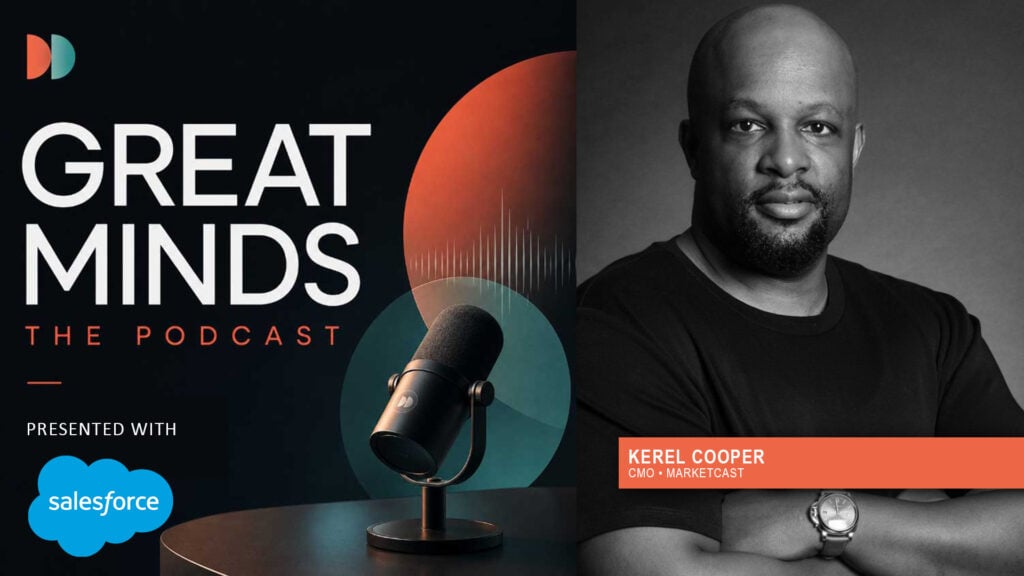
What the Dashboard Can’t Tell You About People Featuring Kerel Cooper of MarketCast
Joining us is Kerel Cooper, Chief Marketing Officer at MarketCast. Kerel shares why he believes marketers can learn from the strongest consumer brands and how human judgment should guide the use of AI in creative work.
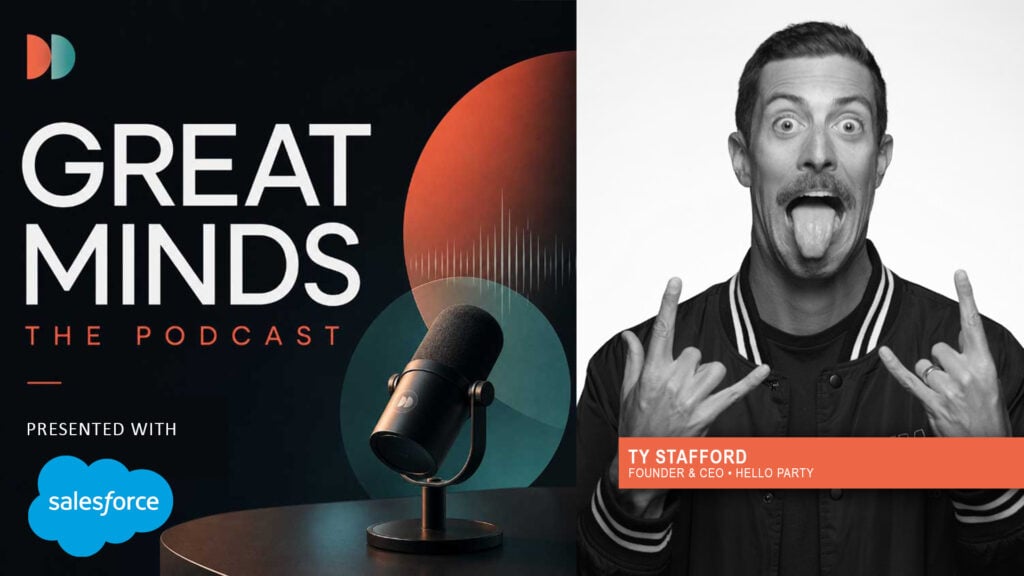
Would You Share It If You Didn’t Work Here? Featuring Ty Stafford of Hello Party
Joining us is Ty Stafford, Founder and CEO of Hello Party, whose experience spans making YouTube videos in his dorm room and working at Red Bull Media House.

From the Conference Floor to the Boardroom: How Kindle Scribe Is Changing the Way Executives Capture Ideas
At Advertising Week New York 2026, Amazon’s Kindle Scribe offers a glimpse into how business leaders are combining the familiarity of handwritten notes with the convenience of digital technology to make the most of an increasingly demanding professional world.