




What the Midterms Revealed About the Evolution of Political Ad Targeting
By Brian Wohlert, Head of Political and Advocacy at Seedtag
Midterm election ad spending surpassed $11 billion, with totals likely reaching $12 billion or more. That’s a huge amount of money that worked directly to persuade voters about which candidate aligned more with their values and to motivate them to cast a ballot. However, more money doesn’t necessarily equal a winning strategy.
Yes, billions of dollars were nothing to sneeze at, but so much of that buying power would have been wasted if it wasn’t used properly. After all, a political message (or any message, for that matter) only resonates if people care about what you’re saying and reaches them when they’re open to hearing it.
Historical Data is Only Part of the Story
Throughout this midterm election cycle, like so many campaigns before it, candidates largely relied on targeting audiences based on past behavior and propensities. Campaigns counted on polling data and voter files to understand who voters were and what mattered to them. But as polling became harder and traditional signals offered diminishing returns, campaigns didn’t get a full picture of how to connect with or motivate voters.
Political candidates resorted to what they’ve done in the past, spending their money on traditional TV. Political consultants and media buyers still defaulted to it because that’s how it’s always worked. Plus, with the rise of streaming, smart campaigns also allocated budgets to CTV. Yet even campaigns targeting newer media and trying to reach new voters stayed too narrowly focused on party affiliation and voting history, rather than understanding who that voter is and what would make them want to vote. The wasted ad spend was enormous.
Context Creates Opportunities to Connect with Voters
For candidates looking to spend wisely, it came down to finding the right person at the right moment. In other words, it meant looking to contextual signals for guidance.
For example, rising grocery prices put affordability front and center for many households nationwide. That created an opportunity to connect with voters around something they were already thinking about and experiencing firsthand every day. Moments like these were a window into what people were really feeling and how everyday costs affected their lives in bigger ways.
On affordability, candidates also needed to consider where people were most willing to receive a message. Campaigns that reached potential voters with targeted video ads at gas stations, where they were inevitably feeling the pinch, had time to engage with a video while watching the price climb at the pump. That kind of environment, where the message seamlessly connects to an everyday experience, creates a natural opportunity to engage with someone when they’re already thinking about the issue. It makes the message more relevant and more meaningful.
Another issue that political campaigns faced was the pressure to churn out so much content so quickly that the media buyers often didn’t know what the content would be until it went live. The right audience and environment is one thing, but the message itself needs to make sense in those contexts. When content isn’t married to creative, it’s a missed opportunity. In an ideal world, creative teams and ad buyers would be in lockstep to execute ads aligned to the environment in which they appear. It’s likely to be more effective and resonate better.
Better Insights, Smarter Campaigns
Looking back on this midterm election cycle, one takeaway out of many is that it’s not always going to come down to who spent the most. It came down to who understood their potential voters better.
What mattered to them? What were they experiencing? When were they most open to hearing a message? Campaigns that brought these factors together and answered those questions with relevant, reactive, and well-placed media had a better chance of working harder to make every dollar count.
You May Also Like
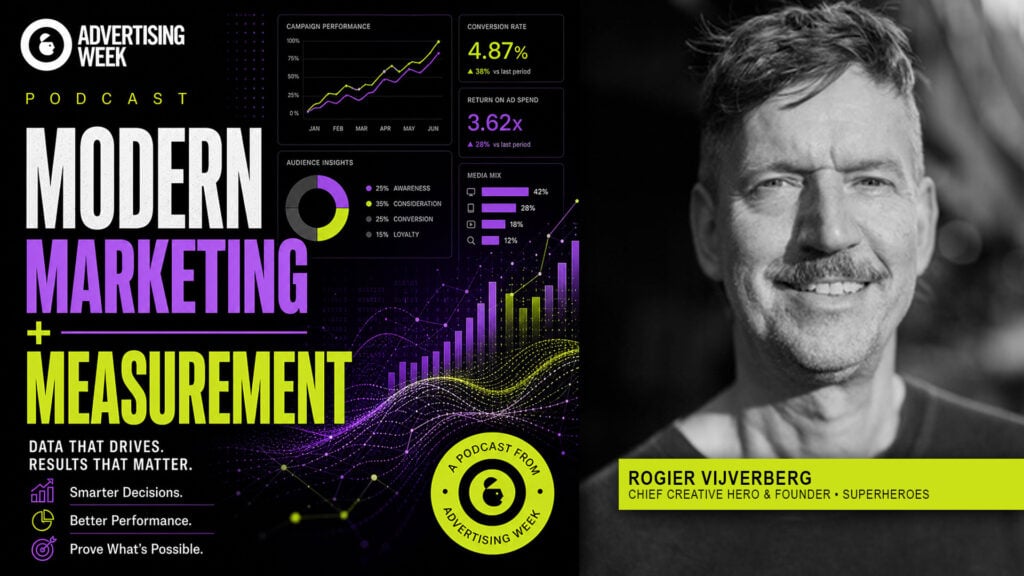
Making Advertising Worth Looking At, Featuring Rogier Vijverberg, SuperHeroes
In this episode of Modern Marketing and Measurement, we talk with Rogier Vijverberg, Chief Creative Hero and Founder, SuperHeroes, about putting some fun back into advertising and making it work for the business.

A Little Fun Can Do Serious Business
If you don’t have attention, you won’t have conversion.

Programmatic Proved Automation Only Goes So Far, Profitable Partnerships Need People
Programmatic advertising has been automating decisions for years. Long before generative AI became the industry’s favourite talking point, algorithms were already deciding which impressions to buy, how much to bid and where advertising budgets should go.