




A Little Fun Can Do Serious Business
By Becky Johnson, Advertising Week Writer & Podcast Host
Before my interview with Rogier Vijverberg, Chief Creative Hero and Founder at SuperHeroes, I spent more time than I intended on the agency’s website. There is a button that turns the site gray for anyone who would prefer it boring, which tells you quite a bit about the people behind it. The work brought me back to campaigns that were fun, surprising, and worth talking about, and I wanted to know how the agency keeps that spirit connected to business results.
Rogier traces the approach to his earlier work on Heineken, where the team created campaigns designed to attract conversation and coverage without buying media. Sometimes a case of beer went to a journalist or an early blogger, but the idea had to give them something worth sharing. That expectation carried into SuperHeroes: whatever the agency makes should give people a reason to pay attention, whether it makes them laugh, moves them, or connects with something they recognize in their own lives.
“If you don’t have attention, you won’t have conversion,” Rogier says. He follows that with two requirements that keep the work focused on its commercial purpose: the product needs to be included in a relevant way, and there needs to be a path to action. The campaign’s objectives determine what success looks like, and that path will differ between a digital out-of-home placement, a website, and a social channel.
Understanding What Matters to the Audience
For Rogier, cultural relevance comes from understanding behavior and what sits behind it. He is less interested in reacting to a fleeting trend than in learning what people care about, what worries them, and what they find exciting. When SuperHeroes established its U.S. presence, he wanted a better understanding of American culture than his own Dutch background could provide, even with an American team around him.
The agency created The Robins, a Gen Z collective that contributes to those conversations on an ongoing basis. Members respond to brands, taglines, and potential spokespeople, and sometimes suggest ideas or people who could help bring the work closer to its audience. Those discussions feed into creative development, giving the agency a way to examine its assumptions before turning an idea into a campaign.
That process also puts the agency’s definition of “not boring” into context. Rogier is talking about work that people can connect with culturally or personally, including something heartfelt or unexpected. Humor is one option, but the point is to give the audience a reason to stay with the idea.
A Buick Campaign With More Than One Starting Point
The Buick Envista work shows how that thinking carries into channel planning. Rogier describes the limitations of producing a large hero film and then relying on a small set of assets across platforms with very different identities. SuperHeroes approached the campaign by asking what would feel right in each environment, using AI to help produce several distinct creative ideas.
Pinterest leaned into design and aesthetics, while Reddit got stoplights talking about the cars waiting in front of them. Instagram featured polished films with a more modern take on cars driving through Southern California. The car remained the subject throughout, with each execution giving people a different way into the campaign.
Rogier describes the evaluation as very positive, though he did not have performance figures to share during our conversation. He also talks candidly about the production challenges the team encountered while testing the technology. The experience gave the agency a way to explore a different production model and develop creative for the channels themselves, rather than asking one film to do every job.
Choosing How to Make the Idea
SuperHeroes’ artist collectives give the agency several ways to approach that production. JIMMY began with CGI artists bringing imagined creations into real-world settings and later expanded to include AI artists. Rogier describes how those capabilities make ideas possible that would be difficult to film, from a story set on the moon to a journey through the history and imagined future of soccer.
He is equally clear that the approach needs to suit the brand. A company whose value rests on human craft, for example, may have good reason to choose a different kind of production. SuperHeroes also established LOIS, a human craft storyteller collective, and works across both groups according to what the project needs.
The agency’s AI creative director brings knowledge of the technology alongside experience producing campaigns for major brands. Rogier sees value in having that expertise inside the team, where it can inform both the ideas and the decisions about how to execute them. Fair pay for artists, actors, and storytellers, along with ethical production practices, remains part of that responsibility.
What excites him most is the range of people now contributing to the work. Alongside more familiar creative disciplines, he describes collaborating with mathematicians, architects, and stay-at-home mothers, with talent coming from small villages in Georgia as well as Australia and Brazil. Those perspectives give the agency fresh ways to tell stories and keep the work from becoming a repeat of the same playbook.
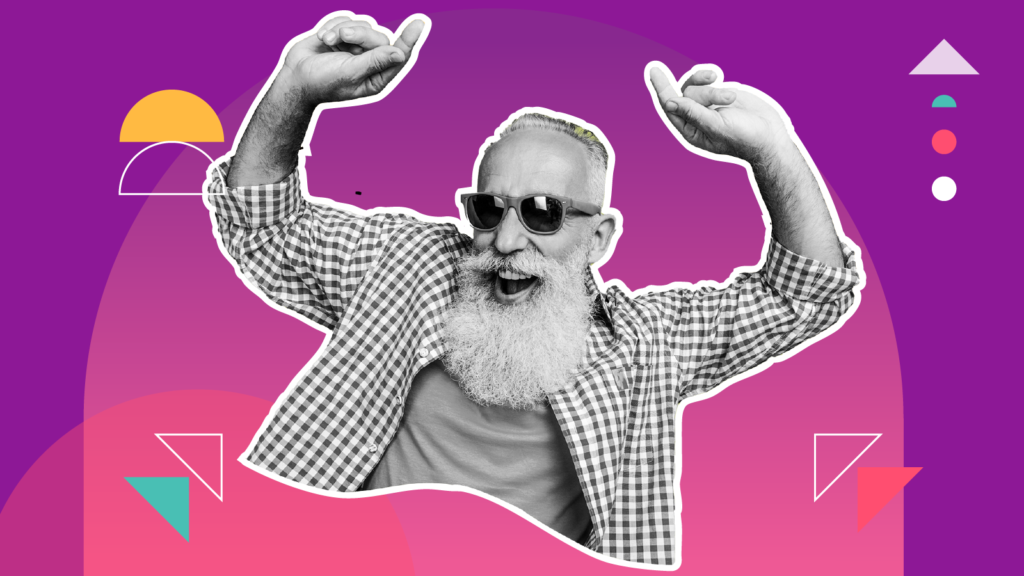
That brings us back to the fun that drew me to the website in the first place. Rogier calls the work commercial creativity, with artists and agency teams collaborating toward brand success. There is room for a talking stoplight, a heartfelt story, or an unexpected visual, provided the audience has a reason to care and understands what the brand has to offer.
You May Also Like

Programmatic Proved Automation Only Goes So Far, Profitable Partnerships Need People
Programmatic advertising has been automating decisions for years. Long before generative AI became the industry’s favourite talking point, algorithms were already deciding which impressions to buy, how much to bid and where advertising budgets should go.

The Fight for Credit Is Holding Back Omnichannel Advertising
Let’s play this out. Your omnichannel campaign hits its sales goals. Then renewal comes around, and the team reviews performance by channel. One channel shows fewer directly attributed conversions than the others, so it becomes the obvious cut. Its budget moves to the channels that claimed more of the sales.

DoorDash + Instacart: What Advertisers Should Do Now
The race to deliver products to your door just got more competitive with DoorDash’s proposed acquisition of Instacart.