




The Agency of the Present

By Isaac Mizrahi, co-President and CEO at alma
One of the many drivers of change within U.S. advertising is related to the demographic trends it’s experiencing, best exemplified by the population growth of Hispanic, Black and Asian Americans. In fact, demographers estimate that by the early 2040’s the U.S. will become a minority-majority country, a transformation that some cities and states are already experiencing.
With these changes also come new consumer behaviors, preferences, and expectations – all of which will eventually shape how brands market to them and why. These shifts will also raise questions that the advertising community has already been actively debating: What does it mean to connect with one of the most diverse consumer marketplaces in the world? And what kind of agency can do it efficiently, and what kind of agency can do it effectively?
And probably most importantly: How can U.S. brands start answering these questions?
Recent studies such as those by Nielsen and the Association of National Advertisers’ AIMM highlight that diverse consumers are comfortable within mainstream American culture, and often shape it themselves. These consumers, especially from Gen Z and Gen Alpha, expect brands to recognize and celebrate individuality beyond stereotypes. Brands that fail to do so risk appearing inauthentic and irrelevant.
Until now ad agencies have traditionally fallen into “General” or “Multicultural” categories, but this distinction is becoming increasingly blurred as subcultures and popular culture continue to merge. As they do, general agencies are hiring more diverse talent, and multicultural agencies are strengthening their general market experience. But with these positive changes, two main issues persist.
First, diversity efforts in general market advertising often rely on superficial strategies, which consumers often dismiss or simply don’t connect with deeply enough.
Second, the approach of creating one message to appeal to all consumers is ineffective, because it lacks the needed personalization.
To address these issues, marketers should actually be moving away from “general market” thinking. Here are a few ideas to consider.
- Reject the general for the specific. To better reflect the desires of diverse consumers, brands should consider more specific, targeted campaign messaging. They should lean on angles that complement inclusivity and leverage more unique insights that tap into both an emotional appeal and brand connection.
- Create with a multicultural mindset. While general agencies struggle with effective multicultural campaigns, multicultural agencies are becoming strategic brand partners by leveraging deep consumer insights. Marketers need to embrace this kind of partnership, working with talent who are immersed in the “ungeneral” cultural landscape, and who can more easily move along the spectrum of human connections.
-
Be driven by insights.
As consumer behaviors continue to evolve and subcultures/younger generations become harder to reach, standing out will require even more dedication to understanding your audience. You want ideas that speak strongly to your target, not ones that are mildly acceptable to everyone.
The message to the industry is clear: the evolving consumer landscape is calling for a new type of agency, one that represents the diverse mainstream, and balances inclusivity with specificity.
You May Also Like

The 90-Day Contract: What B2B Marketing Leaders and CEOs Owe Each Other
Something ominous is happening in marketing right now, and no, it’s not AI.
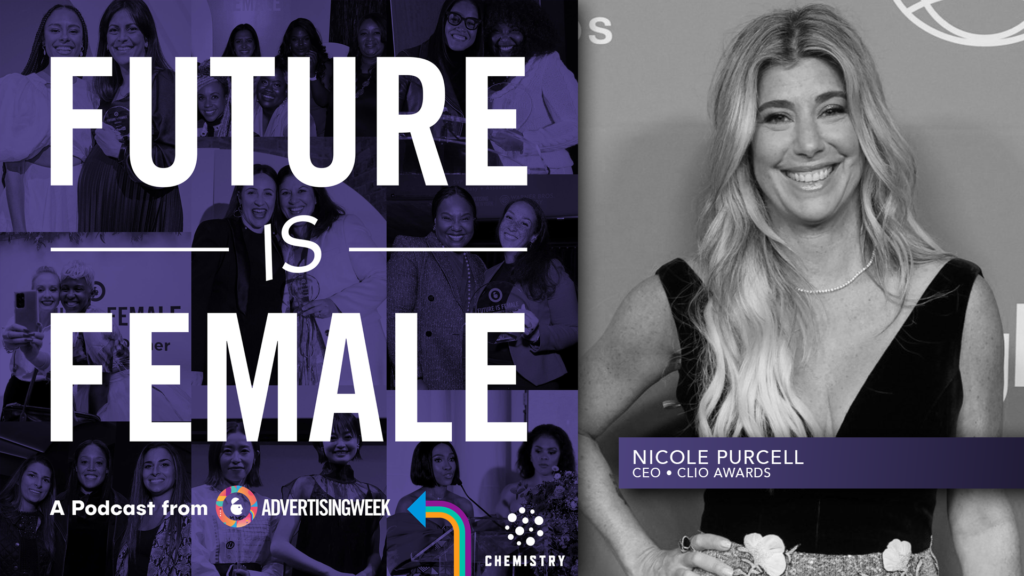
Leading with Kindness: Clio CEO Nicole Purcell on Creativity, Confidence, and the Power of People
In this episode of Future is Female, Advertising Week Global President Ruth Mortimer sits down with Nicole Purcell, CEO of the Clio Awards, for a candid conversation about leadership, resilience, and why kindness and empathy might be the most underestimated qualities in business.
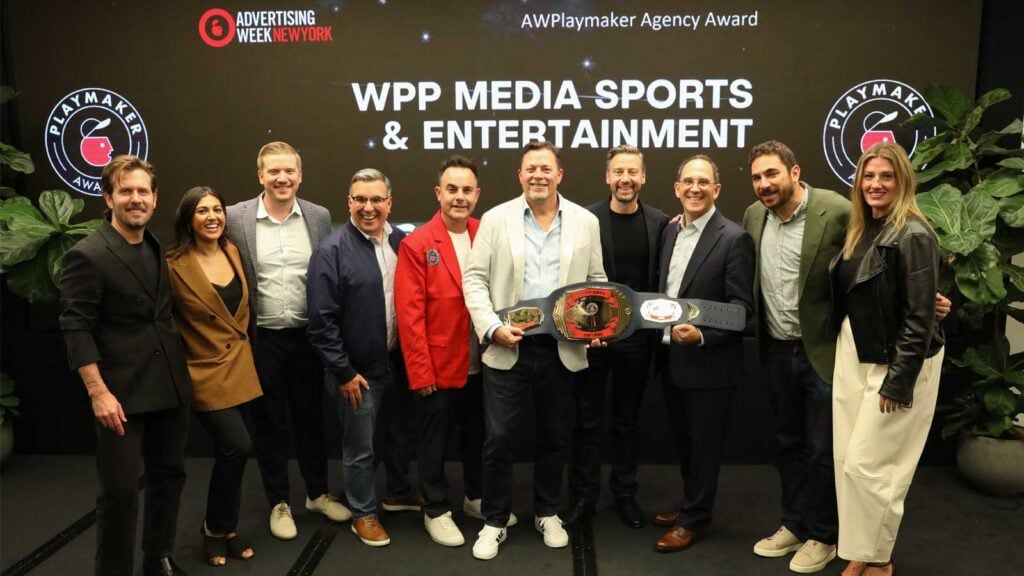
AW Playmaker Agency Award: WPP Media Sports & Entertainment
As part of Advertising Week New York’s AWPlaymaker Awards series, we caught up with the Sports and Entertainment team at WPP Media to explore how creators are redefining fan engagement, why authenticity remains essential to successful brand partnerships, and how marketers can measure cultural impact beyond traditional engagement metrics.