





The Forecast Factor: How Weather Affects Consumer Behavior

How historical weather forecasts help businesses anticipate demand before it happens.
By Sean McCafferty, Director of Business Development at Visual Crossing
Weather shapes consumer behavior in unexpected ways. A sunny weekend might spur demand for outdoor gear, while a snowstorm forecast sends shoppers scrambling for winter essentials. But here’s an often-overlooked insight: it’s not just the actual weather that drives sales—it’s the perception of what’s coming.
By analyzing historical weather forecasts businesses can uncover patterns in how consumers respond to expected weather. This creates opportunities to anticipate demand, align inventory, and prepare marketing and logistics strategies well before weather-driven shifts occur.
How Can Forecasts Shape Smarter Marketing Strategies?
Businesses can transform forecasted weather data into actionable strategies for inventory, marketing, and logistics. Here’s how:
Avoid Stockouts and Overstock
Historical weather forecasts reveal how predictions—accurate or not—affect consumer behavior. For example, winter boots may sell out ahead of a forecasted snowstorm, even if snowfall never materializes. Similarly, sunscreen might stay on shelves when cloudy skies are predicted, despite sunny conditions.
By overlaying forecast data with sales trends, businesses can identify patterns and plan inventory accordingly. A wet spring forecast, for instance, signals retailers to stock up on rain gear. Alternatively, predictions of warm weather could delay heavy winter coat orders, reducing markdown risks.
Walmart exemplifies this at scale. During a wetter-than-usual autumn forecast in certain U.S. regions, Walmart discounted sunscreen earlier than usual and shifted inventory to meet changing demand. This approach avoided overstock while maintaining strong sales performance.
Weather-Triggered Ads That Resonate
Forecasts enable targeted, timely marketing campaigns. For example, if colder weather is predicted, retailers can promote coats, hot beverages, or cozy home goods with messaging like, “Cold days ahead. Are you ready?” Such campaigns create urgency and encourage early purchases.
Similarly, sunny weekend forecasts can inspire ads for outdoor furniture, sunglasses, or summer apparel. Integrating weather APIs into marketing platforms enhances these strategies, automating campaign launches when forecasts align with consumer expectations.
Enhanced Reliability
Severe weather events like hurricanes, storms, or heatwaves disrupt supply chains and frustrate customers. Historical forecasts provide tools to anticipate disruptions and act preemptively.
Analyzing past weather-related delays allows businesses to pre-position inventory, adjust delivery routes, or scale operations in affected areas. Grocery stores, for instance, might stock bottled water and batteries days before a forecasted hurricane to meet peak demand.
Amazon’s response to Winter Storm Elliott in 2023 highlights the potential. Acting on forecast data, Amazon adjusted operations across 177 facilities, rerouted deliveries, and prioritized critical shipments, ensuring essential products reached customers despite widespread disruptions.
Even smaller businesses can leverage forecast data. E-commerce companies, for example, can proactively alert customers to potential delays, while logistics teams adjust staffing and prioritize delivery routes.
Forecasted weather data empowers businesses to anticipate rather than react. By understanding how customers respond to expected weather, companies can optimize inventory decisions, align campaigns with consumer expectations, and prepare logistics for potential disruptions.
Weather may be unpredictable, but your strategy doesn’t have to be.
About the Author
Sean McCafferty is the director of business development at Visual Crossing, a leader in geospatial data and weather analytics.
You May Also Like
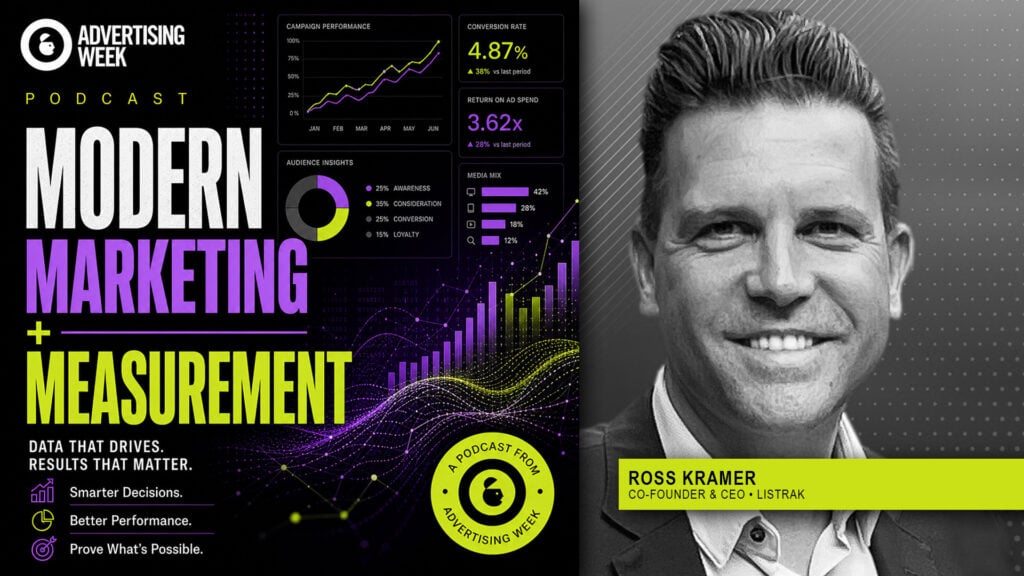
The Computer Has Eyes So Fix Your Discoverability with Ross Kramer, CEO & Co-Founder of Listrak
Today’s guest is Ross Kramer, Co-Founder and CEO of Listrak, a digital marketing platform for retailers and brands. A unified customer profile is necessary for creating better personalization, but Ross also breaks down how AI agents are changing product discovery, and why being discoverable now goes beyond traditional SEO. As Ross puts it, “computers have eyes,” which means if AI is doing the shopping, brands have some new rules to learn about getting found.

Beyond the Visit: What the Bayeux Tapestry Tells Us About the Real Value of an Exhibition
The risk is treating an opportunity like this as a straightforward merchandising exercise; just put the tapestry on a mug and wait for the queue to convert.

Retail Marketing Needs to Be More Emotionally Intelligent
The industry spends a lot of time talking about platforms and emerging technologies. But consumers rarely think in those terms.