




The Rise of the Accountability Partner: Why Agencies Are Evolving Beyond the Media Buy

By Chris Wilson, CEO, Tenetic
Brands used to hire agencies to place the buy. Now they hire them to prove it worked.
Brands don’t need help spending money. They need proof it worked.
It’s a bigger shift than it sounds. For years, execution was the heart of the relationship: plan the buy, place it, optimize it. That work still matters, but it’s no longer what brands are short of. Execution has become a commodity. What brands need now is validation, independent proof the money worked.
That need is redefining what an agency is for. The best agencies aren’t becoming obsolete. They’re being elevated, from the team that places the buy to the one that can stand behind it. Call it the accountability partner.
The Buy Became a Commodity
The industry is already moving this way. Omnicom and Interpublic merged in a roughly $13.5 billion deal to create the largest advertising holding company in the world, with some $750 million in targeted cost synergies. At its core, that’s a bet on scale and efficiency in execution. The logic is sound, and it settles where execution sits now: optimized, consolidated, increasingly automated. The cost of entry, not the reason a brand picks an agency.
When everyone can place the buy, placing the buy stops being the difference. What rises in its place is the ability to prove the buy was right, before the money is committed and after it’s spent.
None of this is new to brands. P&G’s Marc Pritchard spent years pressing the industry for independent, third-party verification, calling out a “crappy media supply chain” and telling marketers to drop partners who couldn’t prove their worth. That pressure never eased. It hardened into the baseline.
It shows up in every brand review. The question is no longer which agency has the most awards or the slickest reel. It’s which one can show, line by line, that last year’s spend worked, and defend it when finance pushes back. A plan that looks flawless at thirty thousand feet loses to one that can prove what happened where the business actually runs.
Whose Side Is Your Data On?
That puts a harder question on the table, and brands are starting to ask it out loud: whose side is my data partner on?
It isn’t hypothetical. Agencies increasingly trade as principals, buying media on their own books and reselling it to the clients they advise. The ANA’s principal-media research found that 27% of marketers had seen principal media in an agency pitch, 41% expected to use it within a year, and 62% of the largest advertisers already had. The practice can lower media costs, but it also means the partner recommending the buy can profit from it.
Add tightening privacy rules and the slow erosion of third-party signal, and the value of a partner with no parallel position to protect gets obvious. Independence isn’t a marketing line. It’s a structural feature of the work. A partner can’t hold a stake in the answer it delivers. For the brand, that isn’t philosophy. It’s budget protection. If the firm recommending the buy also profits from it, the validation isn’t independent, and independent validation is the entire job.
From Media Buyer to Accountability Partner
The accountability partner does more than place the buy and report on it. It cuts through fragmented, often conflicting data and hands the brand a clear, defensible read on what worked, an answer the client can carry to its own board. That takes proof the agency doesn’t own both sides of, and a willingness to be measured on outcomes, not activity.
In practice, it’s less a quarterly performance deck and more a standing answer to one question: is this working, and how do we know? The agencies building toward that are investing in independent measurement and clean, comparable data, the layer that lets them speak to the whole plan, not just the parts they placed. It’s a harder business to run. It’s also the one brands will pay to keep.
A wave of agency reviews is reshaping the landscape. The agencies that come through it strongest will have made the same move: away from selling the buy, toward selling proof it worked.
Anyone can place the buy. Proving it worked is the whole business now.
You May Also Like
The Power of the Transaction
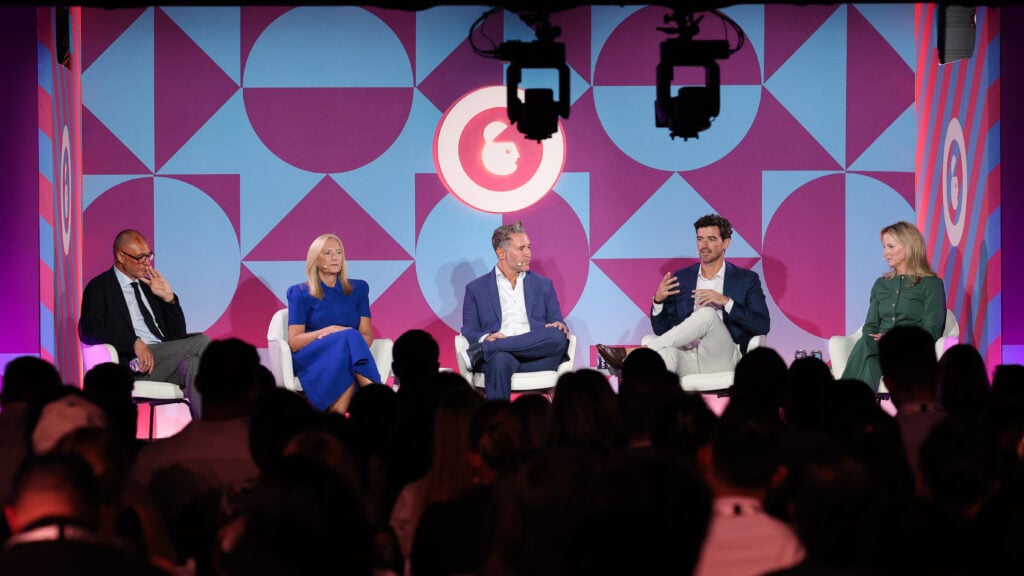
A click can suggest interest, but a transaction shows where someone chose to spend. In our Advertising Week New York session, “The Power of the Transaction,” the leaders behind Citi Commerce Media discussed how purchasing data can help brands identify audiences, deliver relevant offers and assess what happens after an advertisement.

How to Find Authentic Experts in a World of Ai-Generated Content
As AI-generated content floods the internet, how do we know who’s actually an expert anymore? Why businesses need better ways to distinguish genuine human expertise from AI-generated noise.

Brands Can Scale Creator Content Without Sacrificing Authenticity
With platforms and technology providers promising easier discovery, faster campaign setup, and more efficient distribution, creator marketing is starting to look more like the rest of digital advertising. For brands managing a growing number of creator relationships and assets, the appeal is obvious. But it also raises a reasonable concern.