



-

Why Real-World Behaviour Is Becoming Advertising’s Most Valuable Signal
By David Graham, COO, Mobsta The advertising industry already operates within an overwhelming volume of signals, but as consumers move fluidly between digital and physical environments throughout the day, advertisers are increasingly recognising that digital activity alone only tells part of the story. The real challenge is no longer access to data but understanding how to interpret behavioural signals in…
-

How Agentic Advertising is Reshaping Audience Data Strategy
By Dharmesh Patel, Global Curation Strategy Lead at OnAudience As agentic AI systems take on more responsibility for campaign optimization and activation, advertisers are paying much closer attention to the quality of the data shaping those decisions. This shift arrives at a delicate time. Consumer behaviour is becoming harder to predict, particularly around seasonal peaks, major sporting events, and sudden…
-

The Buyer Finally Owns the Scoreboard
By Spencer Potts, CEO, Precise Programmatic was built for speed. Agentic buying will be built for speed squared. The discipline the industry owes its clients is the one we have skipped for twenty years: understanding every decision in the chain, one at a time. Every market eventually builds a scoreboard. Finance has audits, manufacturing has quality control, commerce has accounting. Sports…
-

My Holidays with Claude
Luxury travel could take us where it was once impossible to go.
-

The Power of the Pocket: How Podcast Advertising Drives Performance
By Arthur Larrey, CEO at Audion Even though podcast advertising has become one of the most deeply embedded media behaviors in the U.S., it’s still often evaluated as a niche awareness channel rather than a core performance environment. But that disconnect is becoming increasingly difficult to justify. By some estimates, 58% of Americans are now monthly podcast consumers, spending 773…
-

Navigating Political Waters: Tips for Managing Political Discussions in the Workplace
A clear and well-communicated policy will help prevent employees from feeling that the enforcement of norms is an ad hoc, case-by-case, discretionary practice.
-
Monkeys on Typewriters: Why AI Is Forcing Creativity to Rediscover Its Humanity
The most interesting creative businesses right now aren’t the giant monoliths.
-

Creativity and Kindness: Still Undefeated
In the age of AI, human skills win.
-
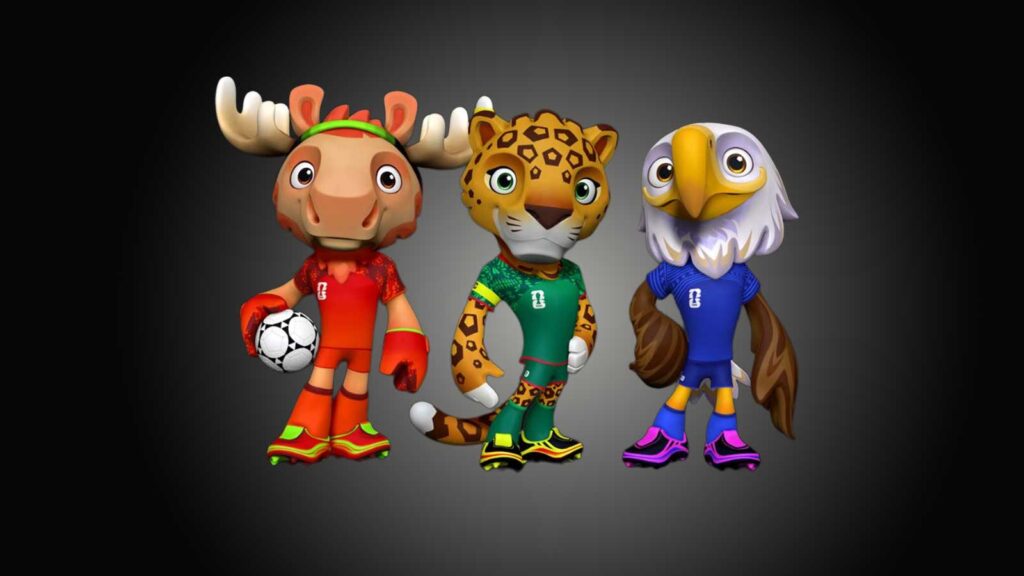
FIFA World Cup 26 Unveils Three Mascots and a New Playbook for Global Sports Branding
As FIFA prepares to welcome the world to North America next summer, Maple, Zayu, and Clutch offer an early glimpse into how the organization plans to market the largest World Cup in history.
-
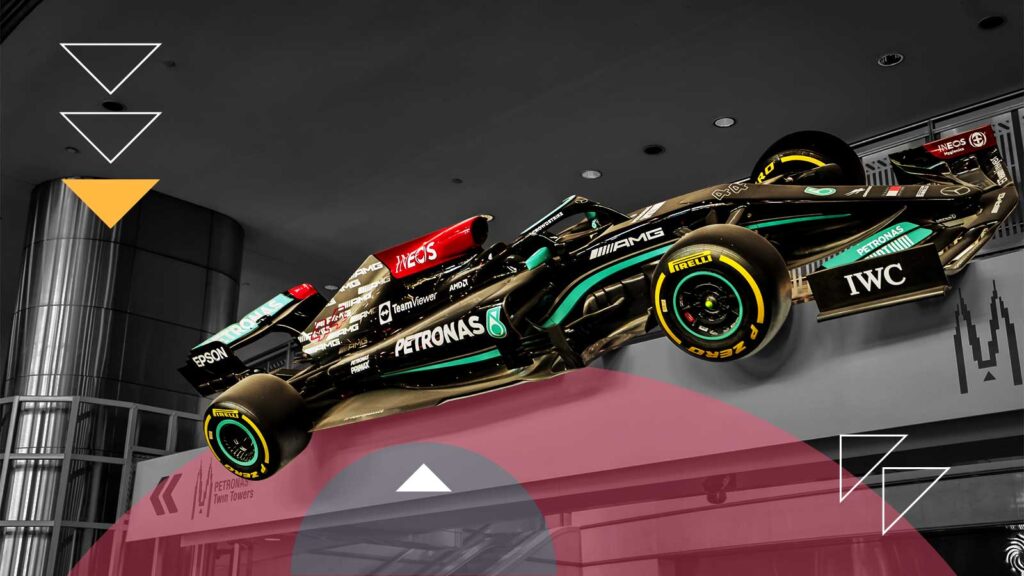
Formula 1’s Greatest Innovation Wasn’t on the Track
At a time when brands are searching for new ways to break through fragmented media environments and shrinking attention spans, Formula 1 offers a compelling reminder that the most valuable marketing asset may not be a platform.
-

The Future of AI Won’t Be Won by Better Models. It Will Be Won by Better Connections
The future of AI may look like magic to the end user. Behind the scenes, however, it will be powered by something far more practical.
-

The Architectural Debt of AI: Why Agentic Systems Demand a Foundation First
Technology alone does not create value. Only a solid data foundation can turn AI from a costly experiment into a genuine growth engine.
-

The Algorithm Killed the Gen Z Monolith
The mandate for marketers is clear: Stop chasing the myth of the Gen Z monolith.
-

Retail Media Got Easier to Buy. But Harder to Run.
The companies outperforming in retail media aren’t usually the ones with dramatically different tools.
-

Glasses Provide the Marketing Industry With a Creative Opportunity
With many concerned about job losses due to AI, AR technology has the potential to create new jobs to support the development of AR marketing experiences.
-

OpenAI Wants Your Attention. Anthropic Wants Your Work.
By Nataly Kelly, CMO, Zappi OpenAI’s ads pilot reportedly crossed $100 million in revenue within six weeks. It’s a reminder of the extraordinary monetization potential of these platforms. A recent survey of LLM users found that 56% already use AI tools daily or more. Adoption is happening faster than almost any SaaS category before it. Consumers are still deciding who…
-

FOX Sports and ReachTV to Bring All 104 FIFA World Cup 2026™ Matches Live to 51 Million Monthly Travelers Across U.S. Airports
Live Matches, Pregame Shows, Daily Highlights and Premium Shoulder Programming with Sports Wall Activations Planned in FIFA World Cup 2026™ Host City Airports
-

Why Brands Need to Start Committing to Creators
The shift required is not complicated, even if it demands more intention.
-

Women in AdTech Are Already AI Power Users. Here Is How We Lead From the Front.
The next decade of AI is being built right now, in decisions happening this quarter inside companies whose leaders are reading this piece.
-

Share of Search Is Dead. Share of Recommendation Is What Marketers Should Track Now.
By Julian Diep, Paid Acquisition Consultant, Blue Grid Media Only 11% of cited domains overlap between AI engines. That changes everything about how you measure brand visibility. For two decades, marketers had a clean answer to the question is my brand visible. The answer was share of search. You looked at search volume on your brand terms, compared it to…