





FIFA World Cup 26 Unveils Three Mascots and a New Playbook for Global Sports Branding
By Alison Miller, Exclusive to Advertising Week
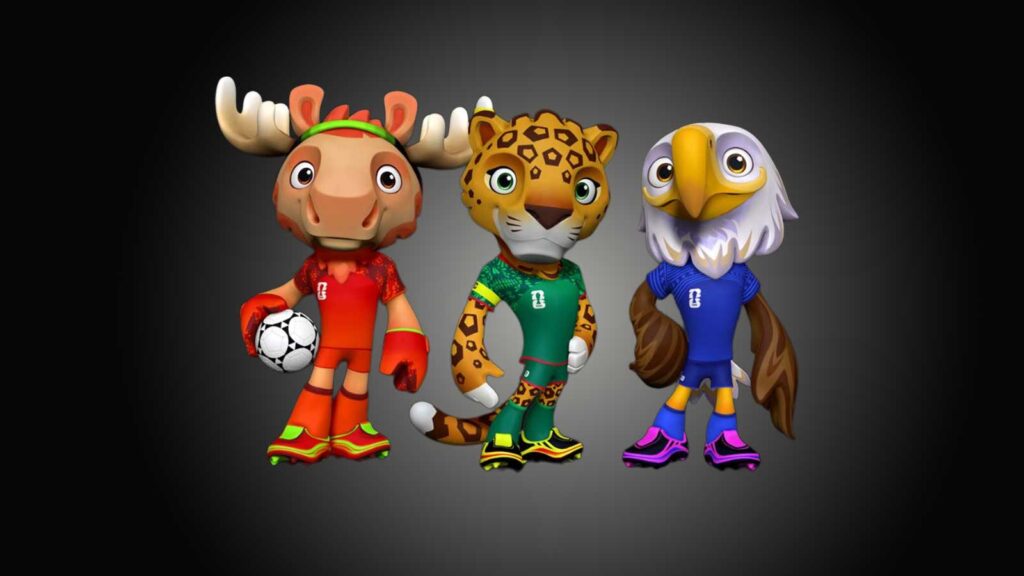
As the countdown to the FIFA World Cup 26 continues, FIFA has unveiled one of the tournament’s most visible brand assets: its official mascots. But unlike previous tournaments, this is not a story about a single character designed to represent one host nation. Instead, FIFA has introduced a trio of mascots—one for each host country—reflecting the unique nature of the first men’s World Cup to be staged across three nations: Canada, Mexico, and the United States.
The three characters—Maple the Moose, representing Canada; Zayu the Jaguar, representing Mexico; and Clutch the Bald Eagle, representing the United States—are designed to celebrate the culture, identity, and sporting spirit of each nation while collectively embodying the tournament’s broader themes of unity, diversity, and shared passion for the game.
On the surface, mascots may seem like a nostalgic piece of tournament marketing. In reality, they remain one of the most effective tools for building emotional affinity, driving merchandise sales, and introducing younger audiences to a global event. For FIFA, the launch signals a recognition that modern sports branding increasingly requires both local relevance and global resonance.
From Symbol to Storytelling Platform
Mascots have long been a fixture of major sporting events, serving as accessible entry points for fans and families. Yet the World Cup 26 approach reflects a broader shift in how brands think about intellectual property.
Rather than creating a single character tasked with representing an entire tournament, FIFA has effectively built a portfolio of personalities. Maple is positioned as a creative and resilient goalkeeper inspired by Canada’s vast geography and cultural diversity. Zayu draws from Mexico’s rich heritage, embodying agility, strength, and passion as a striker. Clutch represents American optimism, leadership, and determination as an adventurous midfielder.
Together, they create multiple points of connection for fans across North America while giving FIFA additional storytelling opportunities across media, merchandise, and digital experiences.
The strategy mirrors a broader trend across entertainment and consumer brands: audiences increasingly gravitate toward character ecosystems rather than singular brand icons. In a fragmented media environment, more characters mean more opportunities for engagement, personalization, and cultural relevance.
Extending the Tournament Beyond the Pitch
Perhaps the most notable aspect of the announcement is not the mascots themselves but where they will appear.
For the first time in FIFA history, World Cup mascots will become playable characters in a FIFA-licensed video game, FIFA Heroes, extending their reach far beyond traditional event marketing. FIFA has also confirmed integrations within gaming platforms and digital experiences aimed at younger audiences.
That move reflects an increasingly important reality for marketers: major sporting events no longer compete solely for attention during match broadcasts. They compete across gaming platforms, social networks, creator ecosystems, and digital communities where younger audiences spend much of their time.
For brands investing around the tournament, the opportunity is clear. The World Cup is evolving from a month-long sporting spectacle into a year-round content ecosystem, with characters, creators, merchandise, and interactive experiences working together to sustain fan engagement long before the opening match and long after the final whistle.
A Tournament Built for Three Cultures
The 2026 tournament will be historic in several ways. It will be the first FIFA World Cup hosted by three nations and the first men’s tournament to feature 48 teams.
Those milestones create significant operational complexity, but they also create unique branding opportunities.
Rather than attempting to flatten three distinct national identities into a single visual system, FIFA’s mascot strategy embraces cultural specificity. Each character reflects local symbols and traditions while contributing to a larger narrative about connection across borders.
That approach aligns with a broader marketing lesson increasingly relevant for global brands. Consumers expect organizations to demonstrate cultural understanding rather than simply applying universal messaging across markets. Success often comes from balancing local authenticity with global consistency.
The World Cup 26 mascots may be designed for children and casual fans, but they also represent a sophisticated exercise in modern brand architecture. They are not just mascots. They are content engines, merchandising platforms, gaming assets, and cultural ambassadors rolled into one.
As FIFA prepares to welcome the world to North America next summer, Maple, Zayu, and Clutch offer an early glimpse into how the organization plans to market the largest World Cup in history—through stories that feel local, experiences that feel interactive, and a brand strategy designed to travel far beyond the stadium.
You May Also Like

Live Nation Backs New Creator-Economy Company Creator Nation
Live Nation is expanding its involvement in the creator economy, backing a new company designed to acquire, support and scale creator-management firms and adjacent businesses.

The Programmatic Stack Has Become Too Complex. AI Could Finally Simplify It
For three decades, digital advertising has added technology layers in the name of efficiency. The result is a programmatic ecosystem that can be remarkably sophisticated — and remarkably inefficient.

The Next Generation of Media Networks Starts with Infrastructure
As more brands turn customer relationships into media businesses, AI-ready infrastructure will determine which companies can transform audience data into intelligent, measurable commerce experiences.