




The Algorithm Killed the Gen Z Monolith
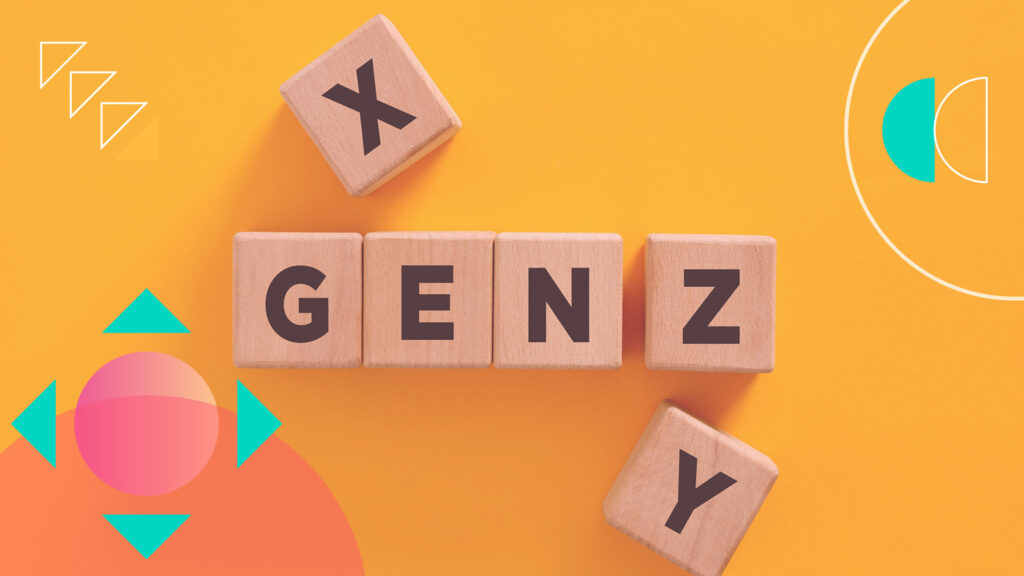
By Kris Yuan, Talent Producer, Portal A
As a Gen Zer working in branded content, I’m constantly asked to explain my generation in just a few simple terms. This quest for a “Gen Z Rulebook” is understandable, but frustrating. If you can define a generation, you believe you can easily advertise to them. It makes strategizing, scaling, and selling feel straightforward—but this logic collapses on contact with our reality.
These claims are often trend-based, fleeting, and frequently contradictory. What works in one moment or niche gets mistaken for a universal truth. We’ve seen the cycle: mob wife versus tradwife, the parallel rise of 6-hour video essays and “touching grass” anti-screen sentiment, and “skibidi brainrot” competing with productivity-maxxing. The trend lifecycle is so accelerated we can go from sunset blush to boyfriend blush to blush blindness all within a year.
At best, these rules are an oversimplification of the most diverse and well-educated generation yet (Pew). At worst, it’s a recycled, dismissive narrative turning into the avocado toast fallacy of a new era. The truth is, as much as we want it to, the Gen Z monolith doesn’t exist.
Subculture is the Monoculture
What makes Gen Z behavior unique isn’t a shared list of likes, but a shared condition: we are the first generation of true digital natives. We grew up with the internet in our pockets, accustomed to hyper-personalization in every avenue. From our FYPs to targeted ads, we get to demand, and have come to expect, that our world is built for us. Difference is rewarded algorithmically; every interest can find a perfect niche community. The result is the total fragmentation of monoculture.
Our feeds are so finely tuned that when something unfamiliar slips through, the immediate reaction isn’t curiosity, it’s confusion. Cue the comments: “Why am I on the wrong side of the internet?” Consequently, what works in one corner of Gen Z can actively repel another. Any one-size-fits-all strategy is doomed.
So, how do you reach a generation that likes everything? You stop trying to reach “a generation.” You reach people. Subculture is the monoculture. The key is cultural listening: understanding what specific groups actually like and what behaviors already exist organically within their communities.
Here’s What Works
Support Community Trends, Don’t Hijack Them
Instead of forcing a trend, research where your brand appears organically. IKEA masterfully did this with its DRÖNJÖNS & DRAGAN collection. The brand noticed that its product names were often used as place names in fantasy tabletop RPG home games. IKEA didn’t invent this; they elevated it. They created elaborate fantasy room setups, hosted guided game sessions, and published a “lore manual” of product names. They became a supporter within the community, someone who was in on the joke, not the butt of it.
Don’t seek the spotlight; improve the scenery. Nobody wants a billboard at their book club.
Let Creator Passion Lead Your Partnership
Finding the right niche is only half the battle. Brands must learn to step back and let the creators who own their space steer the collaboration. A perfect example is the partnership between beloved TikTok artist Bobbie Goods and marker brand Ohuhu. Everything from content to packaging design was creator-first, and therefore, community-first. No scripted ad reads, no forced product close-ups. Just an artist genuinely excited about her tools.
When you partner with a community leader, they aren’t just a mouthpiece for your brand. Give them creative sovereignty, because their authenticity is the asset you’re investing in.
Invest in Ambition, Not Just Eyeballs
True cultural listening means understanding what a community values, not just what it consumes. For Gen Z athletes, sharing one’s progress and passion is second nature. Online fitness communities are booming, and recognition and growth are ever-valuable. Dick’s Sporting Goods’ “Varsity Team” program gets this. It doesn’t just shout about products into the void. It’s identifying emerging voices and offering a real pathway: a year-long contract, a gear stipend, and mentorship from athlete-creators like Tara Davis-Woodhall and Hunter Woodhall.
By investing in creators’ individual goals, you become the context for their authentic story. They champion your brand because it championed their journey first.
The mandate for marketers is clear: Stop chasing the myth of the Gen Z monolith.
Start engaging with Gen Z as a dynamic network of individuals, communities, and cultures. In a world where every screen is monetized, where every feed contains ads, where young audiences have grown up decoding persuasion instinctively, broad messaging doesn’t just fail, it signals laziness and lack of care.
The real recipe for success is good old genuine understanding. It requires moving beyond trend reports and engaging in deep, contextual listening within niche communities. It means supporting, not steering. We are not a demographic puzzle to be solved. We are a generation of individuals just trying to be seen and understood. The brands that take the time to do that, to listen, to contextualize, and to champion our existing passions, will be the ones we champion in return.
You May Also Like

Marketing Is Learning Before the Market
Learning velocity – the ability to explore more strategic paths, understand consequences faster, and commit with greater confidence – becomes the competitive advantage.

The Rise of the Accountability Partner: Why Agencies Are Evolving Beyond the Media Buy
The accountability partner does more than place the buy and report on it. It cuts through fragmented, often conflicting data and hands the brand a clear, defensible read on what worked, an answer the client can carry to its own board.

Measuring AI Visibility in the Age of Generative Search
By Becky Johnson, Advertising Week Writer & Podcast Host For years, marketers have relied on familiar signals to understand whether their brands were being discovered online. Rankings, clicks, impressions, and […]